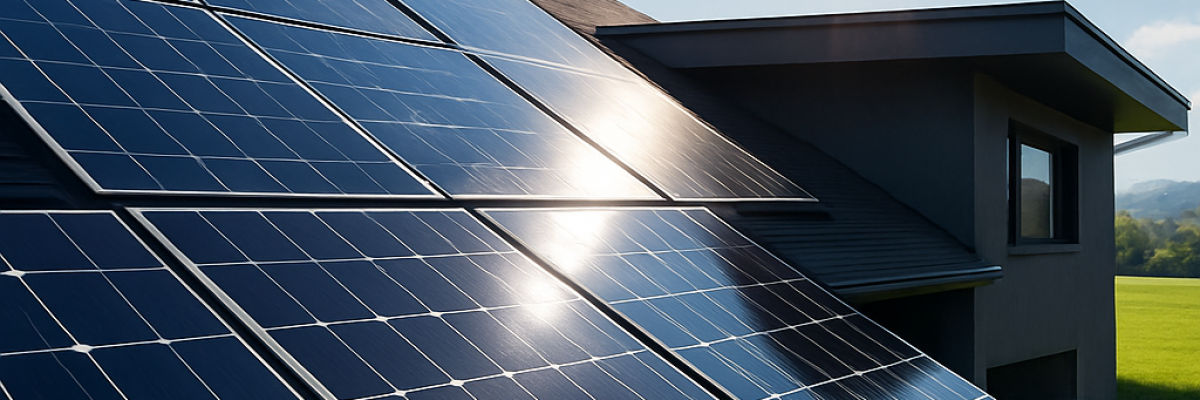
Understanding the 20% Rule for Solar Panels
The 20% rule for solar panels is a guideline that can significantly impact the effectiveness and efficiency of a solar energy system. This concept often arises in discussions about solar panel performance, energy generation potential, and the economics of solar investments. Understanding this rule can help homeowners and businesses maximize the benefits of solar energy and ensure they make informed decisions regarding their solar investments.
What is the 20% Rule?
The 20% rule generally refers to the idea that solar panels should typically produce around 20% more energy than the household or facility consumes in order to achieve optimal efficiency and economic viability. This rule emphasizes the importance of energy generation in relation to consumption, ensuring that solar energy systems can accommodate fluctuations in energy needs while providing a good return on investment.
The Basics of Solar Panel Energy Generation
Solar panels convert sunlight into electricity through the photovoltaic (PV) effect. When sunlight hits the solar cells within the panels, it excites electrons, generating an electric current. The amount of energy a solar panel produces depends on several factors:
- Location: Geographic location affects sunlight exposure. Regions with more sun throughout the year will generate more energy.
- Panel Efficiency: The efficiency of the solar panels determines how much sunlight is converted into electricity. Higher efficiency panels require less space and can produce more energy.
- System Size: Larger solar systems can generate more electricity; thus, a careful assessment of the required system size is crucial.
- Weather Conditions: Weather plays a significant role in daily solar energy generation. Cloudy or rainy days can reduce electricity output.
- Installation Angle and Orientation: The angle at which solar panels are installed influences their exposure to sunlight. Ideally, they should face south in the northern hemisphere, at an angle that captures maximum sunlight.
Applying the 20% Rule
When applying the 20% rule, homeowners and businesses can take their average energy consumption and increase it by 20% to determine the optimal energy production they should aim for in their solar installation. For example, if a household consumes 10,000 kWh of electricity annually, they should aim for their solar system to produce at least 12,000 kWh per year for ideal efficiency. This allowance for additional energy production can cover factors such as:
- Fluctuations in energy needs, which may vary seasonally or based on lifestyle changes.
- Energy generation drops during cloudy or less sunny periods.
- Potential future energy consumption increases, such as the addition of electric vehicles or expansion of household appliances.
The Financial Implications of the 20% Rule
Investing in a solar energy system involves significant upfront costs. Understanding the 20% rule plays a key role in calculating potential savings and return on investment (ROI). Some important financial aspects include:
- Initial Costs: The price of solar panels, inverters, batteries (if applicable), and installation fees. Ensuring adequate coverage for energy needs, as per the 20% rule, may increase initial costs.
- Utility Savings: The more energy a solar system produces relative to consumption, the more money is saved on utility bills. Users may even achieve net metering credits if they produce excess energy.
- Incentives and Rebates: Various state and federal incentives can help offset costs. Understanding how these incentives work with energy production goals is crucial for maximizing savings.
Benefits of Adhering to the 20% Rule
Following the 20% rule offers several advantages to solar panel users:
- Energy Independence: Generating more energy than consumed reduces reliance on utility companies and shields against future price increases.
- Emergency Backup: Increased energy production can supply power during outages or periods of low generation.
- Better ROI: Installing a properly sized system as per the 20% rule can enhance savings on electricity bills, boosting the return on investment over time.
- Long-Term Sustainability: A well-planned solar installation encourages long-term sustainable energy usage, contributing to environmental preservation.
Common Misconceptions about the 20% Rule
There are several misconceptions regarding the 20% rule that need to be addressed:
- It only applies to residential systems: While the rule is often discussed in the context of home energy consumption, the principles apply to commercial and agricultural installations as well.
- It guarantees 20% excess energy will always be produced: Factors such as varying weather conditions can affect energy production. The rule is a guideline rather than a guarantee.
- Larger systems are always better: While it may seem that installing a larger system to exceed the 20% rule maximizes energy production, this can disproportionately increase costs and may not be necessary for all users.
System Sizing Considerations
When determining the optimal solar panel system size based on the 20% rule, several factors must be evaluated:
- Annual Energy Consumption: Start by reviewing past utility bills to understand total energy consumption over a year.
- Solar Incentives: Research available incentives in your area and consider how they may affect the overall system cost.
- Available Roof Space: Assess the area where solar panels can be installed. The size and orientation of this space can constrain the system's potential energy production.
- Community Solar Options: If roof space is limited, consider sharing a larger solar installation through a community solar program.
Assessing Energy Consumption
Understanding energy consumption patterns is vital for implementing the 20% rule effectively. Consumers should consider the following:
- Seasonal Variability: Energy usage can change throughout the year. For example, air conditioning usage may spike in the summer while heating demands can increase in winter.
- Usage Trends: Analyze how energy consumption is affected by behavioral changes. Adding new appliances or family members can impact energy needs.
- Energy Efficiency Measures: Improving home energy efficiency (like upgrading insulation, using LED lights, etc.) can reduce overall consumption, potentially altering the 20% target.
Climate Considerations
The effectiveness of solar panels also varies significantly based on regional climate conditions. For instance:
- Sunlight Exposure: Areas with high levels of annual sunshine are better suited for solar energy production.
- Average Temperature: While solar panels can operate efficiently in various temperatures, extreme heat can reduce their output due to thermal losses.
- Winter Conditions: In regions with snowy winters, consider how snow accumulation affects solar production, especially if panels aren't installed at an optimal angle to shed snow.
Conclusion
The 20% rule for solar panels is an essential guideline that encourages users to think strategically about their energy needs and solar system design. Understanding this rule allows consumers to make better decisions regarding system sizing, potential cost savings, and overall energy efficiency. By aiming for a solar panel system that produces 20% more than typical usage, homeowners and businesses can ensure energy independence, reduce utility costs, and contribute to a more sustainable future. As solar technology continues to advance and become more accessible, leveraging the 20% rule will play an integral part in making solar energy a viable solution for many energy consumers.
FAQs About the 20% Rule for Solar Panels
As interest in solar energy grows, various questions about the 20% rule and its applications arise. Here are some frequently asked questions:
- Is the 20% rule applicable universally? While it serves as a useful guideline, individual circumstances may require adjustment based on specific energy needs or local conditions.
- How can I calculate my energy consumption? Review utility bills for the past year. Record monthly usage to calculate an average to work with.
- What if my energy needs increase after installation? It may be beneficial to include additional panels or monitor the system's output regularly, ensuring it meets your needs.
- Can I sell my excess energy back to the grid? Many utilities offer net metering programs that allow homeowners to sell surplus energy back to the grid.