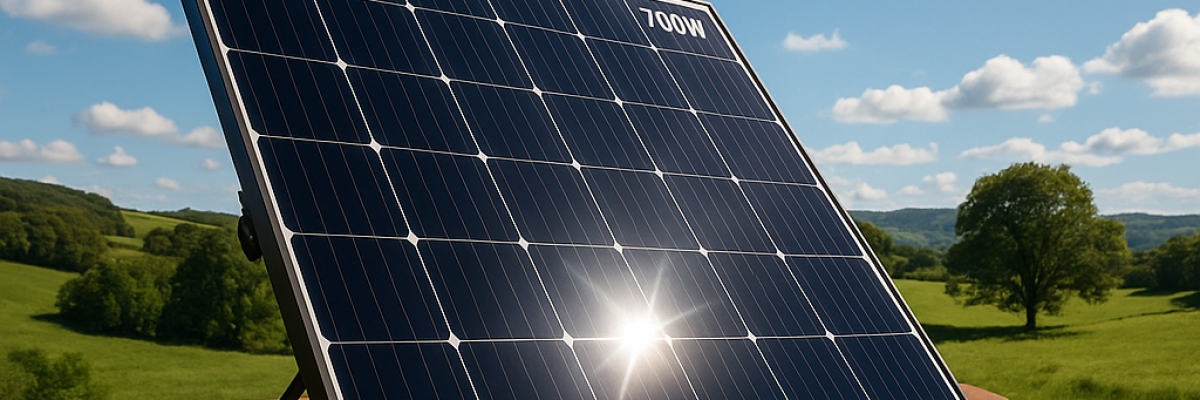
Understanding Solar Panel Wattage
Solar panels are crucial components of solar energy systems that convert sunlight into electricity. The wattage of a solar panel indicates its ability to produce energy. Most commonly, solar panels range from 250 to 400 watts. However, the concept of a 700W solar panel often arises in discussions about high-efficiency solar technologies. Understanding whether such a panel exists requires diving into the technical specifications, advancements in solar technology, and current market offerings.
Current Market Offerings in Solar Panels
The solar panel market is filled with various options that suit different needs and budgets. The majority of panels used today fit within the 250W to 400W range. This range typically provides a good balance between efficiency, cost, and ease of installation.
- Residential Solar Panels: Most homeowners utilize panels within this wattage range for residential installations. Standard models supply between 250W and 400W, making them ideal for residential energy consumption.
- Commercial Solar Panels: For larger commercial installations, panels can sometimes exceed 400W, leveraging larger physical sizes or newer technology for increased efficiency.
- Thin-Film Solar Panels: These panels generally have lower watt ratings compared to crystalline silicon panels. They provide flexibility and lighter options but rarely exceed 300W.
Characteristics of High-Wattage Solar Panels
High-wattage solar panels, which can be classified as those exceeding 400 watts, often boast certain features that facilitate higher energy output. These include:
- Improved Efficiency: Advanced materials and designs allow efficient conversion of sunlight into electricity, leading to higher wattage output.
- Enhanced Cell Technology: Innovations like PERC (Passivated Emitter and Rear Cell) technology or bifacial panels that absorb sunlight from both sides increase the overall capacity.
- Physical Size: Larger panels can potentially house more solar cells, hence increasing the overall output.
Theoretical Possibility of a 700W Solar Panel
Theoretically, a 700W solar panel is possible considering advancements in technology. The development cycle of solar panels is rapid, emphasizing innovations that increase power output and efficiency. However, as of now, commercial availability of panels rated at 700 watts remains limited. Factors influencing this include manufacturing capabilities, cost, and mounting infrastructure.
Benefits of Higher Wattage Solar Panels
Implementing higher wattage panels offers several benefits, particularly in terms of energy production and efficiency. Below are key advantages associated with high-capacity solar panels:
- Reduced Space Requirements: Higher wattage panels produce more energy per square foot, making them beneficial for areas with limited roof space.
- Cost Efficiency: While the upfront cost may be higher, the increased energy output can lead to better long-term savings on electricity bills.
- Increased Energy Harvesting: High-capacity panels can maximize electricity production during peak sunlight, especially in regions with high solar insolation.
Challenges of High-Wattage Solar Panels
While the benefits are compelling, there are inherent challenges in using higher wattage panels that must be addressed:
- Installation Complexity: Higher wattage systems may require specialized mounting hardware and setup, which can increase installation costs.
- Weight Issues: Heavier panels necessitate reinforced structural supports on rooftops or mounting frames.
- Grid Connection Regulations: Some regions have strict regulations concerning energy output, which might limit the installation of high-capacity systems.
Future of Solar Panel Technology
As the solar industry evolves, researchers and manufacturers are exploring ways to create more efficient and powerful solar panels. Innovations in materials science and engineering could lead to the following possibilities:
- Next-Generation Materials: Perovskite solar cells are being studied for their potential to exceed the efficiency levels achieved by traditional silicon cells.
- Increased Automation: Automated manufacturing processes can enable faster production cycles, potentially allowing for more powerful panels at lower costs.
- Hybrid Systems: Combining different solar technologies (such as combining thin-film and crystalline silicon) to capture more sunlight may lead to higher output panels.
Comparison of Available High-Wattage Solar Panels
To assess the current landscape, let’s compare some of the high-wattage solar panels available on the market today, typically ranging around 500W to 600W, and their performance metrics:
- LG NeON R: This panel has a maximum output of 370-440W and is known for its robust performance and durability.
- SunPower Maxeon 3: Available up to 400W with record-setting efficiency rates, it’s highly regarded among residential users.
- Canadian Solar HiKu: This model offers up to 500W, utilizing bifacial technology to optimize energy harvesting.
Installation Considerations for High-Wattage Solar Panels
When considering high-wattage solar panels, installations significantly differ from standard panels. Key considerations involve:
- Structural Assessment: Before installation, a thorough structural assessment by a professional is essential, particularly regarding weight-bearing capacities.
- Inverter Compatibility: Ensure the inverter selected can handle the increased wattage and is compatible with the panel model.
- Electrical Specifications: Be prepared for the advanced wiring necessary to manage the higher output effectively.
Cost Analysis of High-Wattage Solar Panels
The cost associated with high-wattage solar panels includes not just the panels but also installation and maintenance. While panels rated above 400 watts generally come with higher upfront costs, the long-term benefits and savings can offset these initial expenditures. Here’s a breakdown of some costs:
- Panel Costs: Expect to pay between $1 and $3 per watt for high-quality solar panels, depending on brand and technology.
- Installation Costs: Installation can vary based on the system size and complexity, averaging $2,000-$10,000 for residential systems.
- Maintenance Costs: Regular cleaning and occasional service or inverter replacement can lead to small ongoing costs but are often offset by energy savings.
Environmental Impact of High-Wattage Solar Panels
The transition to solar energy, especially high-wattage systems, significantly contributes to reducing carbon emissions. The advantages include:
- Lower Carbon Footprint: By increasing the efficiency of energy produced per square foot, high-wattage systems reduce the overall footprint of solar installations.
- Longer Lifespan: Modern solar panels come with warranties lasting 25 years or more, promoting sustainable energy over longer periods.
- Recyclability: As technologies advance, panel recycling processes are improving, ensuring reduced landfill waste and promoting a circular economy.
Final Thoughts on 700W Solar Panels
While there currently isn’t a commercially available 700W solar panel, the sun-soaked future is full of potential. With continuous advancements in solar technology and efficiency, it’s possible that we could see such panels within the next few years. As an industry, solar energy is rapidly evolving, and the dream of high-capacity systems grows nearer. Interested consumers should remain informed and ready to explore technologies that maximize their energy investments both now and in the future.
Conclusion
In conclusion, the pursuit of high-wattage solar panels, including the hypothetical 700W model, underscores the innovative spirit within the solar industry. By understanding current offerings, advancements, and the practicalities of high-wattage systems, consumers can make informed decisions about their energy futures. The combination of ongoing research, consumer demand, and the global need for sustainable energy solutions will likely drive the development of these high-capacity solar panels in the coming years.