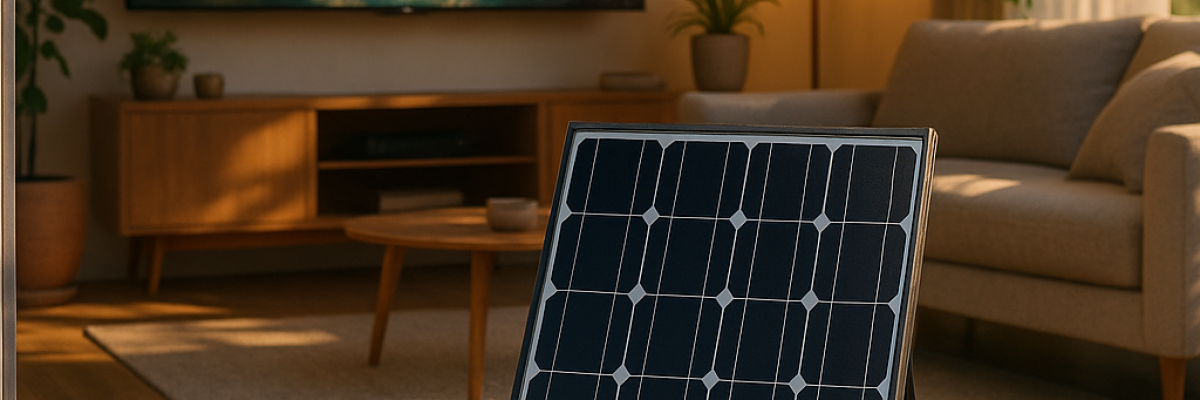
Understanding Solar Panels: A Brief Overview
Solar panels are devices that convert sunlight into electricity, making them an essential part of renewable energy systems. The most common type is the photovoltaic (PV) solar panel, which uses silicon-based materials to generate power when exposed to sunlight. By understanding the fundamentals of solar panels, we can assess their suitability for various applications, including powering electronic devices like televisions.
What You Need to Know About a 100W Solar Panel
A 100W solar panel is considered a smaller size in the solar panel domain. Generally, the power output of a solar panel depends on several factors including efficiency, size, and environmental conditions such as shading and temperature. A 100W solar panel, under ideal conditions, can produce approximately 100 watts of electricity per hour. This number is crucial when determining whether it is sufficient to run specific appliances like a TV.
Power Consumption of a Typical Television
Television power consumption varies by model, age, and size. Here are typical power consumption levels based on TV type:
- LED TVs: Typically consume between 30 to 100 watts, depending on size and settings.
- LCD TVs: Usually range from 60 to 150 watts.
- Plasma TVs: Can consume anywhere from 100 to 400 watts.
Based on these general ranges, many modern LED TVs can fall into the category where a 100W solar panel might be sufficient, given optimal conditions and usage patterns. However, it is important to factor in other aspects that influence overall consumption.
Factors That Influence Power Needs
In addition to the wattage of the TV itself, several other considerations can affect whether a 100W solar panel could effectively run a TV:
- Viewing Time: The longer a TV is run, the more energy it consumes. If you use your TV for several hours daily, you might exceed the output of a 100W panel.
- Additional Devices: If you plan to run other devices alongside the television, such as a sound system or streaming device, your total wattage requirements could exceed the 100W threshold.
- Environmental Conditions: Solar output fluctuates based on weather conditions, time of year, and geographical location. A 100W panel may produce less power on cloudy days, affecting its ability to sustain appliance function.
- Battery Storage: If using a solar setup, consider including battery storage. Batteries can store excess energy generated during sunny conditions for later use, helping to power your TV even when solar output drops.
How Solar Panel Output is Measured
Solar panel output is commonly measured in watts, a unit of power. A 100W solar panel can potentially produce 100 watts of power under peak sunlight conditions for about 5-6 hours, translating to roughly 500 to 600 watt-hours per day. This calculation can help determine whether the panel can sustain a television.
To further refine our analysis, let’s consider the daily consumption of a TV. For instance, if a TV uses 50 watts and it is watched for 4 hours a day, it would consume:
- 50 watts x 4 hours = 200 watt-hours per day
In this scenario, a 100W solar panel would suffice, as it could produce enough energy over the course of the day to match the TV's needs.
Calculating Your Electrical Needs
To determine if a 100W solar panel can run a TV, it's essential to calculate your electrical needs accurately. Here's a step-by-step guide to help you:
- Identify Your TV's Wattage: Check the label on your TV or consult the user manual to find its power consumption in watts.
- Estimate Usage: Determine how many hours per day you use the television.
- Calculate Daily Consumption: Multiply the wattage by the number of hours used to find daily watt-hours consumed.
- Assess Solar Output: Based on your solar panel's wattage and average sunlight hours, calculate daily generation.
- Compare Needs to Generation: See if the energy generated meets or exceeds your daily consumption.
Practical Example: Running a TV on a 100W Solar Panel
Let’s apply our understanding through a practical example. Consider using a 42-inch LED TV that consumes 60 watts and is watched for 5 hours a day. This setup looks like this:
- Daily Consumption: 60 watts x 5 hours = 300 watt-hours
Now, if we assume the 100W solar panel gets about 5 hours of peak sunlight daily, the energy generated would be:
- Daily Output: 100 watts x 5 hours = 500 watt-hours
In this case, the solar panel can easily cover the energy requirements for the TV:
- Daily Generation: 500 watt-hours
- Daily Consumption: 300 watt-hours
- Surplus Energy: 200 watt-hours available for other needs or battery charging.
Benefits of Using Solar Power for Your TV
Utilizing solar power to run your TV has several significant advantages:
- Environmental Sustainability: Solar energy is a clean and renewable resource, which reduces your carbon footprint.
- Cost Savings: Over time, investing in solar can reduce or eliminate your electricity bills.
- Energy Independence: Generating your own power allows for greater independence from utility providers.
- Increased Resilience: In case of power outages, having a solar-powered system and battery backup can keep essential devices operational.
Limitations of Using a 100W Solar Panel
While using a 100W solar panel to run a TV offers numerous benefits, there are limitations to consider as well:
- Insufficient for Larger Loads: A 100W panel is not suited for high-power appliances like refrigerators or air conditioners.
- Environmental Variability: Weather, shading, and seasonal changes significantly impact solar output.
- Potential Need for Battery Storage: To ensure consistent power, especially at night or during cloudy days, you may need batteries, adding to costs.
- Limited Expansion: If you plan to use multiple devices in conjunction with the TV, you may need to invest in additional solar capacity.
Setting Up Your Solar Panel System
If you decide to use a 100W solar panel to power your TV, setting up the system properly is crucial. Here’s how you can do it:
- Choose a Location: Find a spot where the panel can receive full sun exposure for most of the day.
- Install the Solar Panel: Secure the panel at an angle that maximizes sunlight capture, usually about 30 to 40 degrees.
- Connect the Solar Charge Controller: This device manages the energy flow from the solar panel to the battery system and prevents overcharging.
- Add a Battery System: If you're hoping to use the TV at night or during low light conditions, install a battery to store energy generated throughout the day.
- Inverter Installation: Connect an inverter to convert the stored DC power in the battery to AC power for the TV.
Monitoring and Maintenance of Your Solar Setup
To ensure optimal performance from your solar panel system, routine monitoring and maintenance are essential:
- Regular Cleanliness: Keep the solar panels clean from dirt, dust, and debris that may hinder their performance.
- Check Connections: Inspect electrical connections and wiring periodically to ensure they remain secure and corrosion-free.
- Monitor Output: Use monitoring systems to gauge how much electricity is being generated and consumed.
- Battery Maintenance: Check your battery’s condition, charge levels, and replace it when necessary.
Conclusion
A 100W solar panel can indeed run a television, provided the television's power requirements align with the panel's output under optimal conditions. A thorough understanding of both the panel's capabilities and your TV's energy requirements, along with a proper solar setup, can facilitate a sustainable and cost-effective energy solution. As renewable energy becomes more prominent, utilizing solar power for everyday tasks can contribute positively to both your budget and the environment.