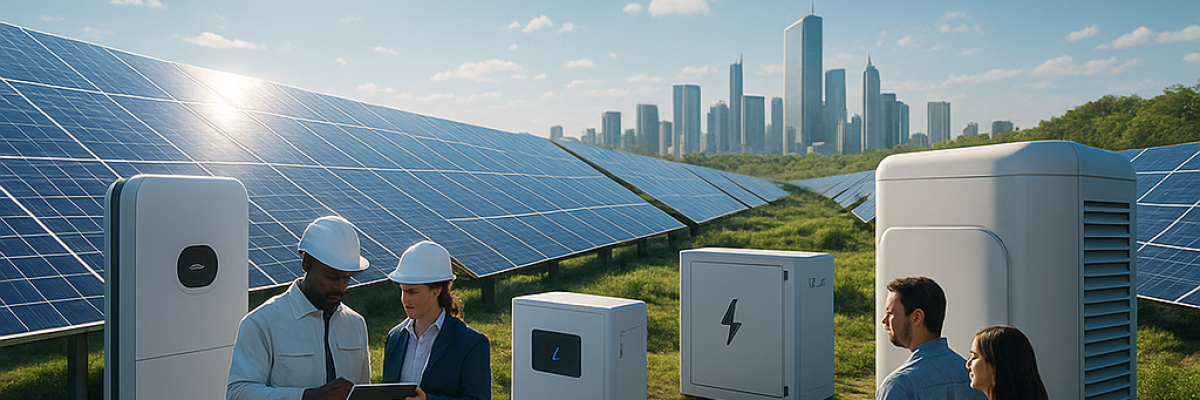
Understanding Solar Energy Systems
Solar energy systems convert sunlight into electricity, providing a renewable energy source for homes and businesses. These systems can significantly reduce electricity costs and carbon footprints. Before diving into costs, it's essential to understand the components that make up a complete solar system.
Components of a Solar System
A full solar system generally consists of several key components:
- Solar Panels: These are the most visible component, capturing sunlight and converting it into electricity.
- Inverter: This device converts the direct current (DC) electricity generated by the solar panels into alternating current (AC) electricity, which is used in homes and businesses.
- Mounting Hardware: This includes brackets and frames that hold the solar panels in place, ensuring they are securely mounted on roofs or ground spaces.
- Batteries: Optional energy storage systems can store excess energy produced during the day for use at night or during cloudy days. Battery systems add to the overall cost but offer energy independence.
- Monitoring Systems: These track solar energy production and system performance, providing insights into energy savings and system efficiency.
Factors Influencing Solar System Costs
The cost of installing a full solar system can vary significantly based on several factors:
- System Size: The size, typically measured in kilowatts (kW), influences the total cost. Larger systems generally cost more but offer more electricity savings.
- Location: Geographic location affects installation costs due to varying sunlight exposure, state incentives, and differing local regulations.
- Installation Complexity: The difficulty of the installation can impact costs. Rooftop installations might require additional equipment for sloped roofs compared to flat ones.
- Quality of Components: The brand and quality of solar panels, inverters, and batteries can significantly alter the overall price. Premium products often come at a higher upfront cost.
- Labor Costs: Labor costs vary by region and can range from $0.50 to $2.00 per watt, depending on local wages and the project's complexity.
- Incentives and Tax Credits: Federal, state, and local incentives can significantly reduce the net cost of a solar installation. The Federal Investment Tax Credit (ITC) is one major incentive.
Average Costs of a Full Solar System
As of 2023, the average cost of a solar system in the United States can range from $15,000 to $30,000 for a residential property. This estimate generally includes all components and installation as follows:
- Solar Panels: $10,000 to $20,000. The price can vary based on the type of solar panels chosen, with monocrystalline panels typically costing more.
- Inverters: $1,000 to $3,000. The inverter choice, whether string inverters, microinverters, or power optimizers, impacts the overall price.
- Installation: $3,000 to $8,000. Labor costs can fluctuate based on the complexity of the installation and regional differences.
- Permits and Inspection Fees: $500 to $1,500. Costs vary based on local regulations and requirements.
Cost Breakdown by System Size
The size of the solar system chosen largely dictates the final cost. Here’s a breakdown based on size:
- 3 kW System: Approximately $9,000 to $12,000. Suitable for smaller homes with lower energy needs.
- 5 kW System: Approximately $15,000 to $20,000. Common for average-sized homes aiming to cover most of their electricity needs.
- 7 kW System: Approximately $21,000 to $28,000. Ideal for larger households or those with higher electricity demands.
- 10 kW System: Approximately $30,000 to $40,000. Suited for bigger homes or commercial applications.
Financing Options for Solar Systems
While the upfront costs may seem prohibitive, numerous financing options make solar energy systems more accessible:
- Solar Loans: Financing tailored for solar installations allows homeowners to pay for their system over time, freeing them from the burden of large upfront payments.
- Leases and Power Purchase Agreements (PPAs): Some companies offer leasing options or PPAs, where homeowners pay for the energy produced rather than buying the system outright.
- Government Incentives: Many states offer rebates and renewable energy certificates to offset costs, incentivizing solar adoption.
Long-Term Savings and Return on Investment (ROI)
Investing in a solar energy system typically pays off in the long run. Here’s an analysis of the financial benefits:
- Energy Savings: Homeowners can save anywhere from $10,000 to $30,000 over the lifespan of the system, significantly reducing monthly utility bills.
- Increased Home Value: Installing solar panels can increase a home's resale value, with studies showing an increase of nearly $15,000 on average.
- Tax Credits: Homeowners can benefit from tax credits like the ITC, which allows them to deduct a significant percentage of the installation cost from their federal taxes.
Environmental Benefits of Solar Systems
The shift towards solar energy is not just financially beneficial; it also has profound environmental impacts:
- Reduction in Carbon Footprint: Solar energy generation produces no greenhouse gas emissions during operation. Transitioning to solar can help combat climate change.
- Conservation of Resources: Unlike fossil fuels, solar energy is renewable and sustainable, helping to conserve depleting natural resources.
- Less Air Pollution: Utilizing solar power reduces harmful air pollutants, resulting in cleaner air quality and improved public health.
Installation Considerations
When installing a solar system, it's essential to consider various factors:
- Roof Condition: Ensure your roof is structurally sound and capable of supporting solar panels. Any necessary repairs should be completed before installation.
- Orientation and Tilt: The ideal roof orientation for solar panels is south-facing in the Northern Hemisphere. Adjusting the tilt can maximize sunlight exposure.
- Shading Issues: Nearby trees or buildings can create shading that impacts the system's efficiency. Before installation, assess possible shading and consider trimming or removing obstacles.
- Local Regulations: Check local zoning laws and building codes to ensure compliance before installation.
Choosing the Right Solar Company
Selecting a reputable solar installer is critical to ensuring a successful installation. Consider the following criteria:
- Experience and Expertise: Look for companies with positive reviews and a proven track record in solar installations.
- Certifications: Examine whether the company has the necessary licenses, insurance, and certifications (like NABCEP certification for solar professionals).
- Warranties: Understand the warranties offered on both the equipment and the installation, ensuring protection against defects and performance issues.
- Customization Options: Choose a company that provides customizable options to align the system with your specific energy needs and preferences.
Conclusion
Investing in a full solar energy system is a significant decision that can provide extensive long-term benefits, including financial savings, increased property value, and positive environmental impacts. With initial costs ranging between $15,000 and $30,000, numerous factors contribute to the final expense, such as system size, location, and component quality. By exploring financing options and considering available incentives, homeowners can effectively manage the upfront investment.
It's essential to approach solar installation thoughtfully, ensuring that all components are selected based on quality and compatibility, while working with experienced professionals. By doing so, you’ll not only harness the power of solar energy for economic gain but also contribute to a more sustainable future.