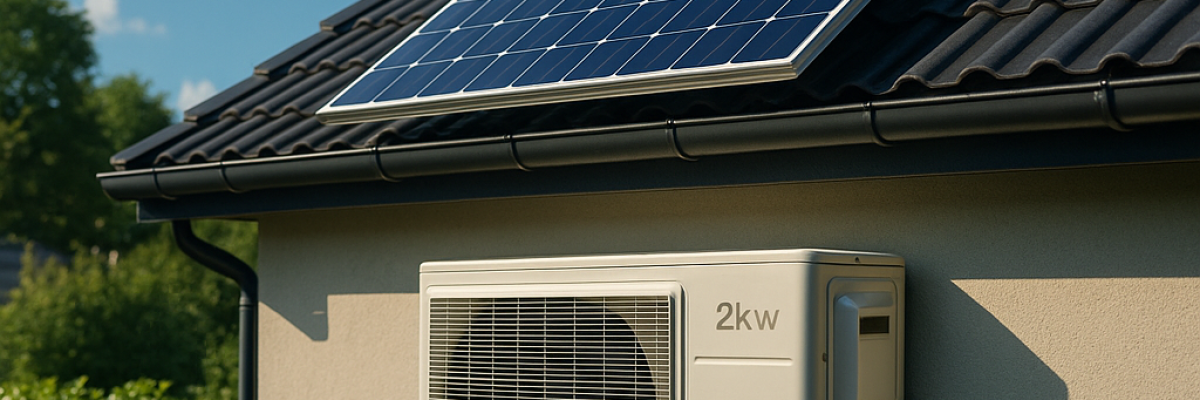
Introduction to Solar Power Systems
In today’s environmentally conscious world, solar energy has become an essential topic of discussion. Many homeowners are considering solar power systems as a sustainable alternative to traditional energy sources. A significant question that arises in this context is whether a 2kW solar panel system can run air conditioning units (AC). This article will explore the capability of a 2kW solar panel system in powering an air conditioning system effectively.
Understanding Solar Panel Capacity
Solar panel capacity, measured in kilowatts (kW), indicates the maximum amount of solar energy the panels can convert into usable electricity under optimal conditions. A 2kW solar panel system consists of several solar panels working together to produce this capacity. The output depends on various factors, including the angle of installation, geographical location, and the amount of sunlight received.
The Power Requirements of Air Conditioning Units
To determine if a 2kW solar panel system can run an AC, it’s crucial to understand the power requirements of air conditioning units. The energy consumption of an air conditioner can vary significantly based on its type, size, and efficiency rating. Here are some key factors:
- Type of AC: Window units, split systems, and central air conditioning all have different power usages.
- Size of AC: The cooling capacity, rated in BTUs (British Thermal Units), influences power consumption. For instance, a small room unit may use around 500-750 watts, while central AC systems can consume several kilowatts.
- Energy Efficiency Ratings: Units with higher SEER (Seasonal Energy Efficiency Ratio) ratings generally consume less energy.
Estimating Power Consumption of Air Conditioning
To provide a clearer perspective, let’s analyze an average-sized air conditioning unit:
- A 1.5-ton split AC has an approximate capacity of 18,000 BTU/h.
- This translates roughly to around 1,500 watts for operation (including startup surge).
Given that air conditioning units frequently draw more power during startup (often 2-3 times their running wattage), a 2kW solar system would need to account for this surge, especially on hot days when AC usage is high.
Solar Panel Output Calculation
The performance of the solar panel system can be calculated based on average solar irradiance in your location. Here’s a simplified formula:
Daily Energy Generation = Peak Sun Hours × Solar Panel Capacity
For example:
- If you reside in an area with an average of 5 peak sun hours per day:
- Daily Energy Generation = 5 hours × 2kW = 10 kWh/day
This means that a 2kW solar system would generate approximately 10 kWh of electricity in one day under optimal conditions. However, this could fluctuate based on seasonal changes and environmental factors such as weather and shading.
Calculating Daily AC Energy Consumption
Continuing with our example, let’s determine how much energy the air conditioning unit consumes on a daily basis:
- If the AC operates for about 8 hours a day at 1.5 kW:
- Daily Consumption = 1.5 kW × 8 hours = 12 kWh/day
This calculation suggests that a 1.5-ton AC would consume more energy daily than what a 2kW solar panel system can generate, even under ideal conditions. Therefore, operating such an air conditioning unit continuously would lead to a shortfall, meaning a 2kW solar panel system alone would not suffice.
Factors Affecting Solar Panel Performance
Several variables impact the actual output of a solar panel system:
- Temperature: Solar panels tend to function better when they are cold. High temperatures can reduce efficiency.
- Angle and Orientation: The tilt and direction of the panels play a pivotal role in maximizing sunlight absorption.
- Shading: Nearby trees, buildings, or other obstructions that cast shade can significantly reduce energy production.
- Seasonal Variability: Shorter days in winter might mean less energy generation compared to summer.
Alternatives and Solutions
If a 2kW solar panel system cannot run a substantial air conditioner alone, several alternatives and solutions can enhance energy efficiency:
- Energy-Efficient AC Units: Consider installing an inverter-type air conditioner, which consumes less electricity compared to traditional models.
- Battery Storage: Incorporate a battery storage system to store excess solar energy generated during the day for use at night or during high usage times.
- Hybrid Systems: A combination of solar power with grid electricity can reduce reliance on the grid but still provide sufficient energy for AC usage.
- Smart Thermostats: Use technology to manage air conditioning operations effectively, optimizing usage based on daily patterns and efficiencies.
Real-Life Case Studies
To further illustrate whether a 2kW solar panel system can effectively run air conditioning, let’s examine a couple of case studies:
- Case Study 1: A family in Phoenix, Arizona has a 2kW solar panel setup. They run a small, energy-efficient window AC unit that uses approximately 600 watts. The peak sun hours in their location average 7 hours, giving them a daily output of 14 kWh. This setup works well as the family can comfortably run the AC for around 10 hours daily without issues.
- Case Study 2: A family in Seattle, Washington with similar 2kW solar panels faces challenges in summer months. The AC unit they use consumes 1.5 kW and operates for around 5 hours. With average peak sun hours of just 4 hours daily, their solar output is about 8 kWh, forcing them to rely on grid electricity to meet the demand for cooling during the hot summer days.
Additional Considerations for Solar Power and AC Usage
It's essential to consider that using solar power for any appliance, particularly high-energy-consuming devices like air conditioning units, requires a thoughtful approach:
- Energy Audits: Conduct an energy audit before deciding on solar panel installation to understand your home's energy needs better.
- System Size: A 2kW system may not serve all needs; you might want to explore larger installations in line with energy requirements.
- Grid-tied vs. Off-grid: Decide if you want to remain connected to the grid, which could act as a backup during inadequate solar production.
Conclusion
In summary, while a 2kW solar panel system can operate certain air conditioning units, its capacity may not suffice for larger or traditional systems without supplementary energy sources. By understanding the power requirements of AC units and calculating solar output accurately, homeowners can make informed decisions about their energy use, reduce reliance on the grid, and embrace sustainable practices. Investing in more extensive solar panel capacities, energy-efficient appliances, and storage solutions can create a balanced system able to meet cooling demands even during peak summer days.