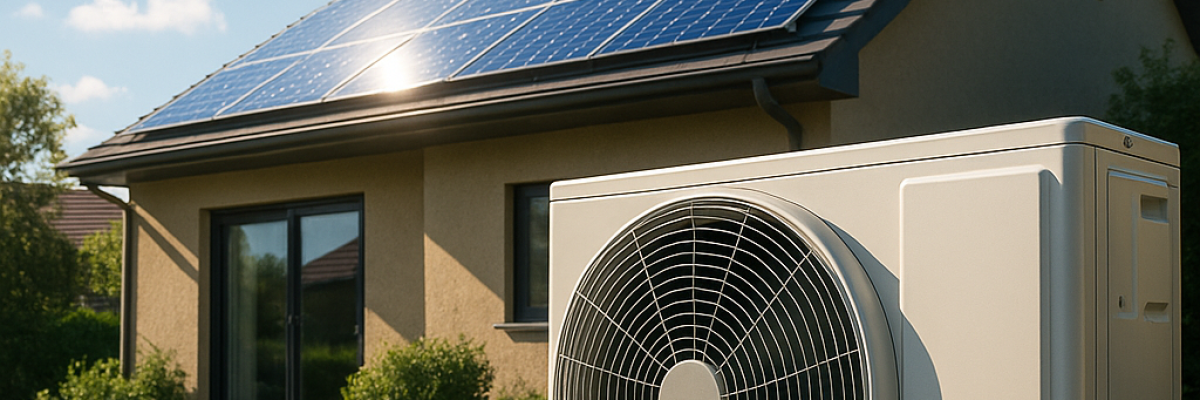
Understanding Solar Power for Air Conditioning
As the temperature rises, many homeowners become increasingly reliant on air conditioning (AC) systems to keep their living spaces comfortable. However, the energy consumption of these cooling units can translate to high electricity bills, especially during hot summer months. This concern raises an important question: Can I run my AC all day with solar power? In this comprehensive article, we will explore the intricacies of using solar energy to power your air conditioning, the benefits, challenges, and practical steps to make it a reality.
The Basics of Solar Energy
Before diving into how solar power can support your air conditioning needs, it's essential to understand the fundamentals of solar energy. Solar energy is harnessed through photovoltaic (PV) panels that convert sunlight into electricity. This electricity can be used to power various household appliances, including air conditioning units.
Evaluating Your Air Conditioning System
To determine whether running your AC all day with solar power is feasible, assess the specific characteristics of your air conditioning system:
- Type of AC Unit: Central air conditioning systems and ductless mini-splits differ in energy consumption. Knowing your unit’s specifications helps in calculating energy needs.
- Energy Efficiency Rating: Look for the Seasonal Energy Efficiency Ratio (SEER) rating, which indicates how efficiently your AC unit operates. Higher ratings mean lower energy consumption.
- Daily Usage: Estimate how many hours per day you typically run your AC. This will help assess the energy load required.
Calculating Energy Needs for Your AC
Understanding how much energy your air conditioning system requires is crucial when assessing the feasibility of running it on solar power. You can calculate the daily energy consumption as follows:
- Power Rating: Check the wattage of your AC unit, usually found on the unit’s nameplate.
- Daily Operation: Multiply the wattage of your AC unit by the number of hours it’s operated each day.
- Conversion to Kilowatt-Hours: Since electricity bills are measured in kilowatt-hours (kWh), divide the total watt-hours by 1,000 to obtain kWh.
For example, if your AC unit is rated at 2000 watts and you run it for 10 hours daily, your calculation would be:
2000 watts x 10 hours = 20,000 watt-hours / 1000 = 20 kWh per day.
Solar Panel Sizing for Air Conditioning
Once you have calculated your energy needs, the next step is to assess how many solar panels you will need to meet those requirements. Here's a step-by-step guide:
- Determine Solar Panel Output: Most residential solar panels produce between 300 to 400 watts each. Assuming an average production of 350 watts per panel, multiply this by the average number of peak sunlight hours per day you expect to receive where you live.
- Calculate Total Solar Output Needed: To find out how much solar energy you need daily, consider your air conditioning energy requirement (in kWh). For instance, if you need 20 kWh and you receive 5 peak sunlight hours, you will need:
- Total Solar Panels: (20 kWh / 5 peak hours) / (350 watts) = approximately 11-12 panels.
The Benefits of Using Solar Power for Air Conditioning
Utilizing solar energy for your air conditioning system offers several advantages:
- Cost Savings: By generating your electricity, you can significantly reduce your monthly energy bills. In many regions, using solar energy can lead you towards energy independence.
- Environmental Impact: Switching to solar power reduces reliance on fossil fuels, aiding in decreasing carbon emissions and promoting a healthier environment.
- Energy Efficiency: Solar panels can produce clean energy when the sun is shining, which often coincides with peak cooling demands on hot summer days.
- Increased Home Value: Homes equipped with solar energy systems typically have higher resale values, appealing to energy-conscious buyers.
Challenges of Running Your AC on Solar Power
While there are clear benefits, there are also challenges to consider when running your air conditioning on solar power:
- Initial Investment: The cost of purchasing and installing solar panels can be substantial, though federal and state incentives can help mitigate these expenses.
- Energy Storage Needs: If you want to run your AC after sunset or during cloudy days, battery storage is necessary, adding to the initial installation costs.
- Space Requirements: Solar panels require ample roof space for installation. If your roof is shaded or too small, it may limit your solar energy production.
- Maintenance: While solar systems generally require low maintenance, panels must be kept clean and in good condition for optimal performance.
Integrating Solar with a Smart Home System
Integrating solar power into a smart home can enhance the efficiency of your air conditioning system. Smart home systems can manage energy consumption by:
- Monitoring Energy Use: Track real-time energy consumption of your AC, helping you identify usage patterns and adjust accordingly.
- Optimizing Temperature Settings: Smart thermostats can adjust temperatures based on your habits, ensuring energy-efficient operation when you are home or away.
- Scheduling Operations: Schedule your AC to run during peak solar generation hours to maximize the use of solar energy.
Step-by-Step Guide to Setting Up Solar-Powered AC
If you’re convinced that using solar power for your air conditioning system is feasible, here is a step-by-step guide to help you get started:
- 1. Assess Your Needs: Use the criteria discussed above to determine your system requirements and energy consumption.
- 2. Research Local Regulations: Check local building codes, zoning laws, and grid tie-in policies that may affect your solar panel installation.
- 3. Consult with Professionals: Engage with accredited solar providers to get customized quotes and recommendations based on your own energy requirements.
- 4. Choose a Financing Option: Explore financing options, including cash purchases, loans, leases, or power purchase agreements (PPAs) that can reduce upfront costs.
- 5. Install Solar Panels: Trust certified professionals for the installation process to ensure safety and compliance with regulations.
- 6. Implement Battery Storage (if necessary): Consider adding battery storage if you need reliable energy availability after hours.
- 7. Monitor System Performance: Use monitoring tools to track your solar power production and energy consumption.
Case Studies of Solar-Powered Air Conditioning
Examining real-life examples can provide insights into the practical application of solar power for running air conditioning. Here are two notable case studies:
Case Study 1: Residential Solar Installation in Arizona
A family in Phoenix, Arizona, installed a solar panel system with 12 panels rated at 350 watts each. With an average of 6 peak sunlight hours, they generated 25.2 kWh daily. Given their AC unit consumed 20 kWh per day, they met their requirements entirely. In their first year, they saved over $1,000 in electricity costs.
Case Study 2: Commercial Installation in Florida
A small business in Florida evaluated the installation of a large solar array to power its central air conditioning system. With 50 panels generating an average of 35 kWh daily during peak use seasons, the business was able to cover all cooling demands during operational hours. The use of net metering allowed them to sell excess energy back to the grid, resulting in overall energy savings.
The Future of Solar Energy and Air Conditioning
The trend towards smart homes is leading to innovations in the solar energy sector. With technological advancements, we can expect improvements in efficiency, energy storage solutions, and seamless integration with home automation systems. Ahead of greater adoption, the future looks bright for homeowners looking to run their AC systems with solar energy.
Conclusion
In conclusion, running your AC all day with solar power is not only feasible but also offers a range of benefits from cost savings to environmental impact. By understanding your energy needs, properly sizing your solar installation, and considering both challenges and solutions, you can enjoy a cool, comfortable home powered by the sun. Transitioning to solar energy is a step toward sustainable living, offering both financial incentives and a cleaner planet for future generations.