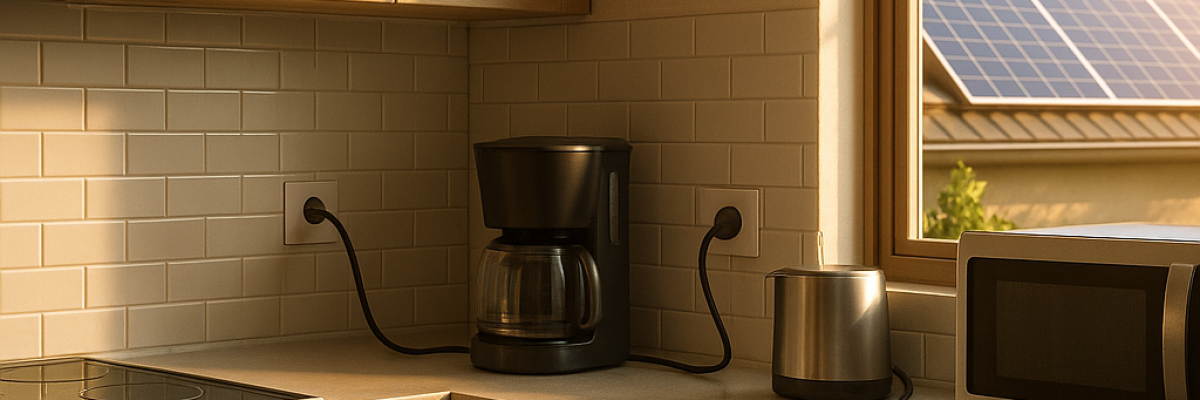
Understanding Solar Power Essentials
Solar power has emerged as a revolutionary source of energy, giving homeowners and businesses the opportunity to harness the sun's power for diverse applications. As the technology continues to improve, many are eager to transition to sustainable energy sources. However, not all appliances are compatible with solar power systems. Understanding which appliances cannot be used effectively with solar systems is crucial for anyone looking to invest in solar energy.
What is Solar Power?
Solar power is the conversion of sunlight into electricity, primarily through photovoltaic (PV) cells or solar thermal systems. Photovoltaic cells absorb sunlight, generating direct current (DC) electricity, which is then converted to alternating current (AC) via inverters for everyday use in homes and businesses. However, the efficiency of solar power systems varies depending on several factors, including the type of appliance and its energy requirements.
Types of Appliances and Their Compatibility with Solar Power
Appliances can be categorized based on how much power they require and whether they can run on the available solar energy. While most household appliances can operate on solar power, some cannot due to their high power demands or other technical limitations. Here are the categories of appliances that may face challenges:
- High-Power Appliances
- Inductive Loads
- Specialized Equipment
High-Power Appliances
Some appliances are classified as high-power due to their significant energy requirements. These appliances include, but are not limited to:
- Electric Water Heaters: These appliances typically require a substantial amount of energy to operate and heat water quickly. A traditional electric water heater can draw up to 4500 watts, which may exceed what a typical solar power system can provide unless supplemented with a battery bank or generator.
- Air Conditioners: Central or window air conditioning units consume significant energy, often exceeding 3000 watts. Using them solely on solar power without a proper battery backup can lead to excessive strain on the solar system.
- Electric Ovens: Operating electric ovens, particularly those with high power ratings (around 2000-4000 watts), may not be feasible with a small to moderate-sized solar setup.
- Washing Machines: Many washing machines draw around 1200-1500 watts per cycle, posing challenges during peak usage times when solar energy generation may be insufficient.
Inductive Loads
Inductive loads refer to appliances that require a significant surge of power during startup. This surge is typically higher than their continuous running wattage. Examples include:
- Refrigerators: While a refrigerator might run on 100-800 watts, the starting wattage can be up to 2000 watts. This discrepancy can lead to issues with solar systems that aren't equipped to handle the initial surge.
- Power Tools: Various power tools, especially those with motors, can require a sudden burst of energy. This makes their compatibility with typical solar systems tricky without appropriate inverter management.
- Pumps: Similar to refrigerators, water and swimming pool pumps can pull substantial power at startup, which may not be ideal for inefficient solar setups.
Specialized Equipment
Certain specialized appliances and equipment might be incompatible or not viable with solar power due to their unique power requirements. These include:
- Medical Equipment: Devices that provide life support or critical medical monitoring typically need constant and stable power, which can be compromised with inconsistent solar output.
- Industrial Machinery: Large factories may rely on heavy machinery with power needs that far surpass what even a large solar system can generate.
- Certain Commercial Freezers and Refrigerators: These units often consume consistent high energy requirements and have high startup demands making them challenging for solar energy solutions.
Complications with Battery Storage
Managing energy consumption is crucial when using solar power systems, primarily since these systems are often supported by battery banks to ensure a consistent power supply during non-sunny periods. However, this poses additional challenges:
- Energy Storage Limitations: Solar batteries have limitations in terms of total energy storage capacity and discharge capability. Appliances that require sustained high power can lead to rapid battery depletion.
- Cost Considerations: Upgrading or expanding battery storage can be expensive. It's common knowledge that integrating inefficient appliances will lead to increased costs for both maintenance and operational efficiency.
Noise and Heat Generation
Another consideration for solar compatibility involves the noise and heat generated by certain appliances. Appliances that have high operational noise or generate significant heat may not be suitable for small solar systems, as they could affect the overall energy consumption and management strategy. Examples include:
- Electric Heaters: They not only consume a lot of energy but also create a significant amount of heat, which can lead to dissipative losses in terms of energy efficiency.
- Food Dehydrators: These devices run for several hours and consume moderately high power, which can be a challenge in a limited solar situation.
Assessing Your Energy Needs
Before transitioning to solar power, it’s vital to assess your home or business energy needs. This involves calculating the total energy consumption of all your appliances. Begin by listing the wattage for every appliance you operate at home or your business. From there, create a total wattage requirement to determine if a solar system can meet those needs effectively.
Energy Efficiency Measures
Improving energy efficiency in your home can make a significant difference when using solar power. Consider taking the following measures:
- Upgrade to Energy-Efficient Appliances: Look for appliances with the Energy Star label, which indicates lower energy consumption.
- Install Smart Power Strips: Smart power strips can help minimize energy waste from idle appliances, thus optimizing your solar energy usage.
- Conduct an Energy Audit: Hiring a professional to conduct an energy audit can provide insights into your home's energy needs and suggest ways to improve efficiency.
Choosing the Right Solar System
The compatibility of your appliances with solar power largely depends on the type and capacity of your solar power system. When investing in a solar installation, consider:
- System Size: Ensure the system can handle your energy needs, including peak demands of high-power or inductive load appliances.
- Inverter Type: Choose inverters that can accommodate the startup surge of inductive loads, enhancing the system’s overall compatibility and efficiency.
- Battery Backup System: An effective battery backup can help manage peak demands, ensuring essential appliances continue operating smoothly even when solar generation dips.
Conclusion: Making Informed Choices for Solar Power
While solar power represents an innovative solution for energy consumption, it’s crucial to understand the limitations and challenges associated with certain appliances. By recognizing which appliances cannot be effectively powered through solar energy and actively considering energy efficiency measures, homeowners and businesses can design more effective solar energy systems. This not only improves energy independence but also contributes positively to environmental sustainability.
As the technology continues to develop, investing in solar energy should involve careful assessment and planning, ensuring that the chosen appliances align well with available solar capacity. This strategic approach can lead to success in both energy savings and reducing carbon footprints.