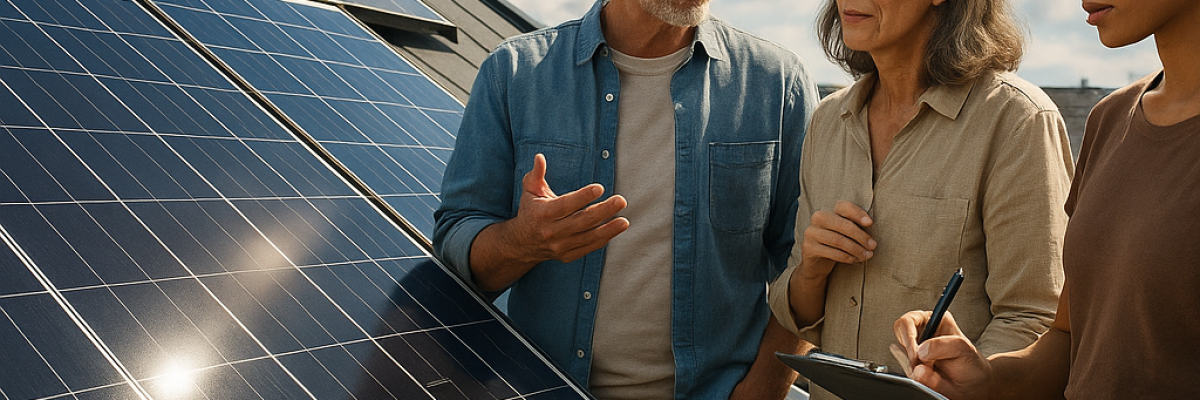
Introduction to 3kW Solar Panel Systems
As the world moves towards sustainable energy, the adoption of solar power continues to grow. Among the various solar panel systems available in the market, the 3kW solar panel system stands out due to its balance of efficiency and affordability. In this article, we will delve into the cost of a 3kW solar panel system, discussing various factors that influence pricing, installation expenses, and potential savings associated with investing in solar energy.
Understanding Solar Panel Systems
Before diving into the costs, it is essential to understand what a 3kW solar panel system entails. A solar panel system is composed of multiple solar panels that harness sunlight and convert it into electrical energy. The "kW" (kilowatt) rating indicates the system's capacity — a 3kW system can generate around 3 kilowatts of electricity per hour under optimal conditions.
This capacity is generally suitable for small to medium-sized households, making it an attractive option for homeowners looking to reduce their electricity bills while supporting environmentally-friendly energy solutions.
Cost Breakdown of a 3kW Solar Panel System
The total cost of a 3kW solar panel system can vary significantly based on several factors, including the type of panels, installation costs, location, and available incentives. Below, we provide a comprehensive cost breakdown. This section outlines the key components that affect the overall pricing of a 3kW solar panel system.
1. Solar Panel Costs
The cost of solar panels can vary based on the type and brand. Generally, there are three main types of solar panels:
- Monocrystalline Panels: Known for their high efficiency and sleek aesthetics, these panels usually come at a premium price.
- Polycrystalline Panels: These panels are less expensive than monocrystalline panels but tend to have a slightly lower efficiency.
- Thin-Film Panels: Generally the least efficient and least expensive, thin-film panels can be an option for specific applications.
On average, solar panels cost between $0.70 to $1.50 per watt. Therefore, for a 3kW system, the cost for the solar panels alone could range between $2,100 and $4,500. It is essential to consider efficiency ratings, warranty periods, and manufacturer reputations when selecting solar panels.
2. Inverter Costs
The inverter is a critical component of a solar panel system because it converts the direct current (DC) electricity generated by the panels into alternating current (AC) electricity that can be used in your home. The cost of inverters can vary based on the type:
- String Inverters: Typically the most cost-effective option, string inverters work with multiple solar panels connected in a series.
- Microinverters: More expensive but offer better efficiency and monitoring capabilities for individual panels.
- Power Optimizers: These work with string inverters to maximize the output of solar panels.
The cost for inverters generally falls between $1,000 to $2,500, depending on which type you choose for your 3kW solar system.
3. Installation Costs
The cost of installation can vary widely based on the complexity of the project, local labor rates, and whether or not you choose to hire a contractor or go DIY. Typically, installation costs can range from $0.50 to $1.50 per watt. For a 3kW system, this amounts to:
- LOWER END: $1,500
- UPPER END: $4,500
This makes installation one of the more significant expenses in the overall cost of a solar panel system. Always get multiple quotes from solar installation companies to ensure you're getting the best deal.
4. Permitting and Inspection Costs
Permitting and inspection costs should also be considered when budgeting for a solar installation. Homeowners may need to obtain several permits from local government and undergo inspections to ensure compliance with building codes. Costs for permits and inspections typically add an additional $100 to $500 to the overall price.
5. Other Miscellaneous Costs
There are various other costs you might encounter when installing a 3kW solar panel system, including:
- Mounting Hardware: $300 to $600
- Electrical Wiring: $200 to $400
- Battery Storage (if applicable): This can add significantly to your costs. A small battery system may start around $2,000.
Overall Cost Summary
Considering all factors discussed, the total cost of a 3kW solar panel system can range as follows:
- Lowest Estimate: $6,000 (basic solar panels, string inverter, minimal installation costs)
- Upper Estimate: $12,000 (high-end solar panels, microinverters, comprehensive installation)
While the initial investment may seem substantial, it is crucial to consider potential savings over time, available incentives, and the long-term benefits of utilizing solar power.
Government Incentives and Rebates
The cost of installing solar panels can be mitigated through various government incentives and rebates. In many countries, such as the United States, there are federal tax credits available. As of 2023, homeowners can often claim 26% of the total installation cost as a tax credit, reducing the overall financial burden of adopting solar energy.
Some states and local governments also offer additional rebates that can further decrease installation costs. It is advisable to check with local solar companies, government websites, or solar advocacy groups for the most current incentive programs available in your area.
Financing Options for Solar Panel Systems
Understanding the financial aspect of installing a 3kW solar panel system is crucial. Here are some financing options that homeowners can consider:
- Capital Purchase: Paying the entire cost upfront allows homeowners to own their solar system outright, which provides the best return on investment over the long term.
- Solar Loans: Many financial institutions offer solar loans with competitive interest rates, allowing homeowners to pay for the system over time.
- Leasing: In this scenario, a third party owns the solar system, and homeowners pay a fixed monthly fee to use the solar electricity generated.
- Power Purchase Agreements (PPAs): Similar to leasing but instead of fixed monthly payments, homeowners pay a rate per kilowatt-hour based on actual electricity usage.
Each of these financing options has its pros and cons, and it is crucial to assess which choice aligns best with your financial situation and long-term energy goals.
Long-term Savings and Benefits of Solar Energy
Investing in a 3kW solar panel system offers several compelling benefits beyond electricity cost savings. Here are some of the primary advantages:
1. Reduced Electricity Bills
One of the most immediate benefits of installing a solar panel system is the reduction in electricity bills. A 3kW solar system can generate a substantial portion of a household's electricity, which translates to lower utility costs. Depending on local electricity rates and solar exposure, homeowners may save hundreds to thousands of dollars annually.
2. Increase in Property Value
Homes with solar panels often see an increase in property value. Studies indicate that homebuyers are willing to pay a premium for properties equipped with solar energy systems, sometimes recovering up to 70-100% of the investment cost upon selling the home.
3. Environmental Benefits
Switching to solar energy significantly reduces your carbon footprint. Solar power is a clean and renewable source of energy, which helps combat climate change and reduces reliance on fossil fuels.
4. Energy Independence
Implementing a solar panel system can lead to greater energy independence. Homeowners reduce their reliance on their local power grid, hedge against rising electricity prices, and gain the ability to generate their electricity.
Conclusion
Investing in a 3kW solar panel system is a judicious choice for homeowners looking to embrace renewable energy and reduce their electricity costs. While upfront costs can vary based on various factors, the long-term savings, available incentives, and environmental benefits make solar energy a wise investment. By evaluating the entire cost structure and considering financing options, homeowners can better navigate the path toward sustainable energy solutions.
As technology continues to advance and solar panels become even more affordable, the question is not whether to invest in solar but rather when. With numerous benefits and growing public support for clean energy, now is an opportune moment to consider the financial and environmental advantages of going solar.