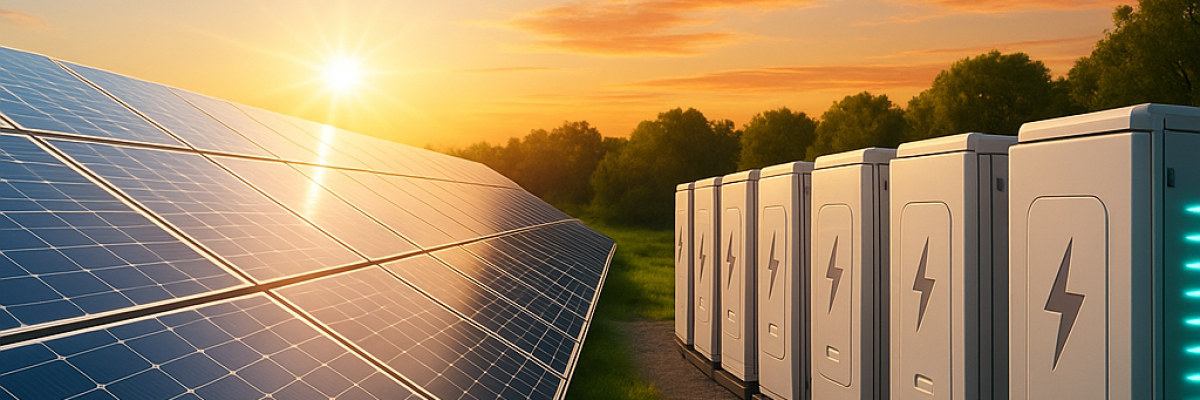
Introduction to Solar Energy Systems
As the demand for renewable energy sources continues to grow, solar power has emerged as one of the most popular choices for both residential and commercial applications. Two essential components of a solar energy system are solar panels and batteries. The question that often arises is whether it's more beneficial to invest in more solar panels or to have more batteries in your system. This article will delve into the factors affecting this decision, providing a comprehensive analysis to help you determine the best approach for your energy needs.
Understanding Solar Panels and Batteries
Before exploring whether to prioritize solar panels or batteries, it’s crucial to understand what each component does within a solar energy system.
What Are Solar Panels?
Solar panels, also known as photovoltaic (PV) panels, capture sunlight and convert it into electricity. They work by utilizing semiconductor materials to create an electric field. Here are some core elements related to solar panels:
- Efficiency: Ranges typically from 15% to 22%, depending on the technology and materials used.
- Types: Monocrystalline, polycrystalline, and thin-film panels each have unique benefits and drawbacks.
- Installation: Can be roof-mounted or ground-mounted, depending on available space and energy needs.
What Are Batteries?
Batteries in solar energy systems are used to store electricity generated by solar panels for later use. This is crucial for systems that are not connected to the grid or for households that want to maximize their solar use even when the sun isn’t shining. Key points about batteries include:
- Types: Common types include lead-acid, lithium-ion, and flow batteries.
- Capacity: Measured in kilowatt-hours (kWh), this determines how much energy a battery can store.
- Cycle Life: Refers to how many charge and discharge cycles a battery can undergo before its capacity diminishes significantly.
Energy Needs Assessment
Before deciding whether to invest in more solar panels or batteries, it’s essential to conduct an energy needs assessment. This will help you understand your consumption patterns and energy requirements.
Evaluating Your Energy Consumption
Start by reviewing your energy bills to determine your average monthly consumption. Pay attention to your peak usage hours and the seasons when consumption is higher. Consider factors like:
- Appliance usage
- Heating and cooling needs
- Electric vehicle charging
Having a clear understanding of your energy consumption sets the foundation for designing an effective solar power system.
More Solar Panels: Benefits and Considerations
Investing in additional solar panels can provide several advantages, particularly in producing electricity directly from sunlight.
Benefits of More Solar Panels
- Increased Energy Generation: More panels mean more electricity generated, potentially covering most or all of your energy needs.
- Self-Sufficiency: A larger solar array can enhance your energy independence, reducing reliance on the grid.
- Future-Proofing: If your energy consumption increases due to lifestyle changes or added electrical gadgets, more panels can accommodate future needs.
- Incentives and Rebates: Investing in a larger system may qualify you for state and federal incentives, improving your return on investment.
Considerations When Adding More Solar Panels
However, adding more solar panels isn’t without challenges:
- Initial Cost: More panels require a significant upfront investment, including installation costs.
- Space Constraints: You need sufficient roof or ground space to accommodate additional panels.
- Grid Limitations: In some areas, local regulations might restrict the amount of energy you can feed back into the grid.
More Batteries: Benefits and Considerations
On the other hand, investing in more batteries allows for greater energy storage, which can also have its own set of advantages.
Benefits of More Batteries
- Energy Storage: Batteries store excess energy generated during the day for use during peak hours or nighttime.
- Grid Independence: Increased battery capacity reduces reliance on grid electricity, which is especially beneficial in off-grid setups.
- Backup Power: In the event of an outage, more batteries can keep essential appliances running smoothly.
- Load Shifting: Batteries allow you to use stored energy when electricity prices are higher, leading to cost savings.
Considerations When Adding More Batteries
Conversely, investing in more batteries has several drawbacks that should be taken into account:
- High Costs: Batteries, especially lithium-ion, can be quite expensive, often leading to a higher overall system cost.
- Limited Lifespan: Batteries degrade over time and may require replacement, adding to long-term costs.
- Efficiency Losses: Energy stored in batteries isn’t 100% retrievable; some energy is lost in the process of charging and discharging.
Comparison: More Solar Panels vs. More Batteries
When evaluating whether to prioritize solar panels or batteries, consider the following factors to create a balanced approach:
Cost Analysis
Conduct a detailed cost analysis of both options. Solar panels typically have lower maintenance costs and longer longevity compared to batteries. Analyze:
- Upfront costs of additional solar panels versus batteries.
- Long-term savings from energy generation versus the expense of energy storage.
- Potential rebates and incentives for both components.
Space and Installation Issues
Evaluate your available space for both solar panels and batteries. If you lack space for an additional solar array, increased battery storage may be the better choice. Consider:
- Roof space for solar panels.
- Space for battery storage, which can often be accommodated inside a garage or basement.
Your Lifestyle and Energy Usage Patterns
Your specific energy usage patterns will heavily influence the decision. For instance:
- If your energy demands peak during the day when solar generation is high, adding more panels could be beneficial.
- If you have significant energy use in the evening or on cloudy days, investing in batteries might be more advantageous.
Technological Advances and Future Trends
Technologies in both solar panels and battery storage are continuously evolving. As systems become more efficient and cost-effective, consider current and future technological trends:
- Emerging battery technologies that promise longer life and better efficiency.
- Improvements in solar panel efficiency, reducing the need for large arrays.
Case Studies: Real-Life Scenarios
Analyzing case studies can provide valuable insights into which choice might be more effective in varying circumstances.
Homeowners with High Energy Consumption
Homeowners with high energy consumption patterns often find that investing more in solar panels allows them to generate enough energy to offset their needs. Balancing this with a reasonable number of batteries can ensure they have sufficient energy at night without excessive costs.
Off-Grid Living
For those living off-grid, having a larger battery capacity can be crucial. Solar panels alone may not be sufficient to meet energy needs when sunlight isn't available. Therefore, focusing on battery storage becomes vital.
Grid-Tied Systems with Net Metering
For homeowners with a grid-tied solar system and net metering options, a more extensive array of solar panels allows them to sell excess energy back to the grid, making this option financially appealing.
Conclusion: Finding the Right Balance
Ultimately, the decision between investing in more solar panels or more batteries is multifaceted. It hinges on your specific energy needs, budget, space availability, and whether you want to minimize reliance on the grid. A well-balanced solar energy system often incorporates both elements to achieve optimal efficiency and cost-effectiveness.
In summary, there’s no one-size-fits-all answer; instead, each individual’s situation will dictate the most advantageous approach. By carefully considering the pros and cons of each option, you can design a solar energy system that best meets your needs and aligns with your sustainability goals.