Understanding Power Needs for a Household
When contemplating whether 30 kW is sufficient to power a house, it's essential to grasp the core concepts of electrical power consumption and energy efficiency. Most households are accustomed to using electricity for a variety of appliances, devices, and systems, making it crucial to understand what 30 kW can support and how that translates to real-life energy needs.
Modern homes typically employ various electrical devices, ranging from basic lighting and heating to high-powered appliances like ovens, air conditioners, and entertainment systems. The amount of power needed will vary based on the size of the home, the number of occupants, and the lifestyle of the residents. With that in mind, let's explore the intricacies of home power requirements and evaluate whether 30 kW is adequate.
The Basics of Power Consumption
Electricity usage is commonly measured in kilowatts (kW) or kilowatt-hours (kWh). A kilowatt is a measure of power, while a kilowatt-hour represents the energy consumed over time. Understanding the difference is vital for evaluating whether your electricity supply can meet your needs.
- Kilowatt (kW): Measures electric power; 1 kW equals 1,000 watts.
- Kilowatt-hour (kWh): Measures energy; 1 kWh is the amount of energy consumed by a 1-kW appliance running for one hour.
For context, a typical home may have a peak demand of around 5 kW to 10 kW, depending on the time of day and the types of appliances in use. A 30 kW system can cater to peak demands and provide multiple appliances running simultaneously.
Calculating Household Energy Consumption
To determine if 30 kW suffices for your household, it's essential first to evaluate your energy needs. Here’s a method for calculating your household energy consumption:
- List all appliances and devices you regularly use.
- Identify the power rating (in watts) for each appliance. This information is often found on a label somewhere on the device or in the user manual.
- Estimate daily usage for each appliance in hours.
- Calculate the total energy consumption for each appliance using this formula: (Power Rating in watts × Hours of Usage) / 1000 = kWh per day.
- Add up the kWh from all devices to get your total household energy consumption.
For example, if you have a refrigerator that uses 200 watts and runs for 24 hours, it would consume:
- (200 watts × 24 hours) / 1000 = 4.8 kWh per day.
If this were added to the consumption of other appliances, you would eventually get an accurate portrayal of your total household consumption.
Estimation of Power Needs for Common Households
Here’s a breakdown of the average power consumption for common appliances in a household:
- Refrigerator: 100-800 watts (average of 400 watts)
- Washing Machine: 500-2000 watts (average of 1000 watts)
- Electric Stove: 1000-5000 watts (average of 3000 watts)
- Electric Oven: 2000-5000 watts (average of 2500 watts)
- Dishwasher: 300-1500 watts (average of 1200 watts)
- Heating and Cooling Systems: 1000-5000 watts (average of 4000 watts)
- Lights: 60-300 watts per bulb (average of 75 watts per bulb, depending on type)
As you can see, multiple appliances can demand significant power. If you assume that two of those appliances could be starting simultaneously, it’s easy to see how 30 kW could be both ample and potentially restrictive, depending on the number of devices in your home.
Peak vs. Continuous Power Needs
It’s crucial to differentiate between peak power and continuous power needs. Peak power refers to the highest power demand at any given moment, while continuous power is the amount required over an extended period.
A 30 kW supply may allow for multiple high-demand devices to operate simultaneously during peak hours while still providing enough capacity for continuous use throughout the day. For instance, whether you're heating your home in winter, running the washing machine and dryer, or using multiple lights, 30 kW can accommodate these loads effectively.
However, households must also plan for safety margins by adhering to a recommended threshold, typically about 80% of available power, which ensures that your electrical system doesn't get overloaded.
Energy Efficiency Considerations
Energy-efficient appliances and systems can significantly reduce your overall power needs, allowing a 30 kW supply to suffice even for larger families or homes. When buying new appliances, look for energy ratings and consider investing in energy-efficient models. Some energy-saving techniques include:
- Using LED light bulbs instead of incandescent bulbs.
- Installing energy-efficient windows to maintain indoor temperature.
- Utilizing programmable thermostats for heating and cooling systems.
- Choosing Energy Star rated appliances that use less power.
- Implementing smart home technologies to regulate power consumption.
By improving energy efficiency, you can enhance the effectiveness of a 30 kW power source, potentially even allowing it to support a greater load than you might expect.
Alternative Power Sources
In addition to conventional grid electricity, many homeowners are now considering alternative power solutions like solar energy or home generators. These options can mitigate your need for a robust grid supply. Here's how they can work in conjunction with a 30 kW provision:
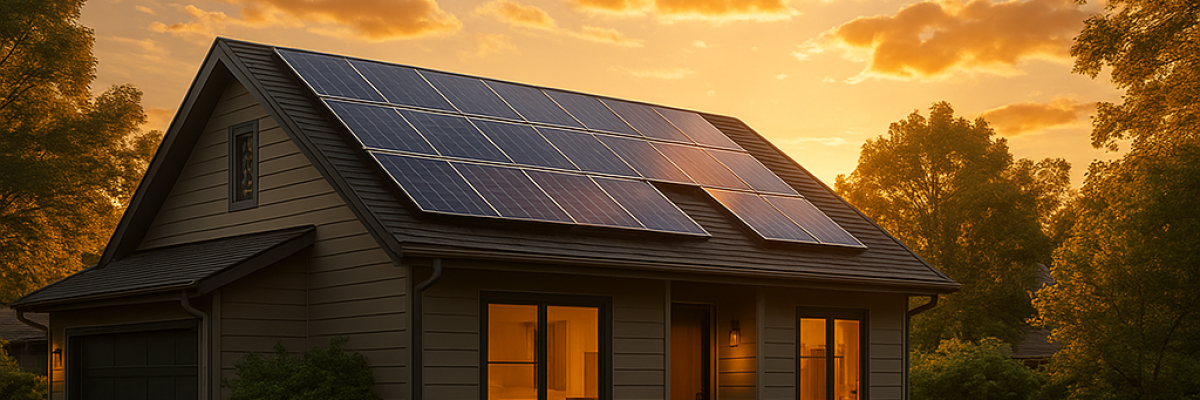
- Solar Panels: When equipped with an adequate solar panel system, homeowners can generate electricity during the day. This clean energy can offset the grid's demand, particularly during peak use times.
- Generator Systems: Home generators can provide backup power during outages and can complement a 30 kW supply well if set up properly. They generally have a lower wattage, which can be combined with existing capacity to ensure continuity of critical devices.
Calculating Seasonal Variations in Power Needs
Electric usage can also vary seasonally, with winter and summer typically seeing increased demand for heating and cooling systems. During these peak seasonal periods, homes may require more power. It’s essential to consider these variations when determining whether 30 kW is enough.
In the summer months, air conditioning systems can dramatically increase power consumption. In contrast, electric heaters may drive up usage during colder months. To create a realistic picture of your year-round power needs, consider calculating energy consumption from seasonal changes. Some homeowners find that they can efficiently manage power needs by making lifestyle adjustments or investing in alternative energy solutions like high-efficiency heat pumps.
Impact of Home Size and Design on Power Needs
The physical layout and size of the home can heavily influence its energy consumption. Larger homes with more rooms typically have greater power needs. Similarly, open concept designs may require more substantial heating and cooling solutions.
Furthermore, the orientation and insulation of a house play crucial roles in energy efficiency:
- Insulation: Properly insulated homes reduce energy loss, maintaining desirable temperatures with less energy input.
- Orientation: Homes built to take advantage of natural sunlight for heating can significantly lessen reliance on electrical heating solutions.
Considering these factors helps determine whether a 30 kW capacity can ensure sufficient power for your unique home setup.
Understanding Local Electrical Regulations
Lastly, it's crucial to be aware of local electrical regulations and guidelines that may dictate the capacity you can safely install for your home. Local utilities may specify maximum power ratings or have recommendations and limitations based on service availability.
Homes needing consistent high power loads might require customized installations. Consulting with a licensed electrician can ensure you understand local requirements regarding 30 kW systems and how they fit your particular needs.
Conclusion: Is 30 kW Enough to Run Your House?
In summary, whether 30 kW is enough to run a house depends on various factors, including the number and types of appliances, overall power consumption patterns, the size and layout of the home, and energy efficiency practices in place. For many average-sized homes with moderate energy consumption, a 30 kW capacity will prove more than adequate. However, larger homes or those with numerous high-consumption devices may find themselves near the limits.
By calculating your unique power needs, investing in energy-efficient appliances, and considering alternate energy sources, you can effectively manage your household energy consumption and ensure that 30 kW is not just enough, but also ideal for maintaining comfort and convenience in your home.