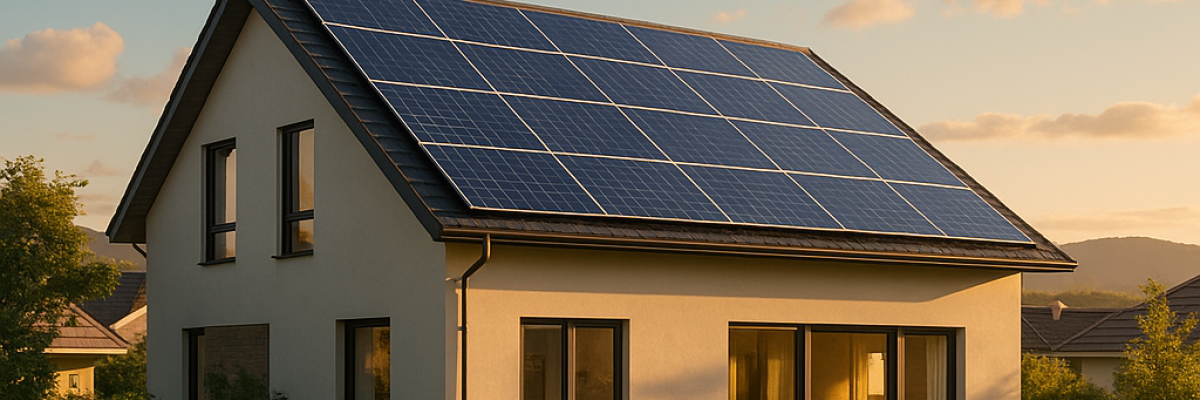
Understanding Solar Panels and Inverters
Before determining how many solar panels you need for a 3000W inverter, it's crucial to understand the basic components of a solar energy system. Solar panels convert sunlight into electricity, while inverters transform this direct current (DC) electricity into alternating current (AC) electricity, which is used to power household appliances. The inverter's wattage rating indicates the maximum amount of energy it can handle at any given moment. In this case, a 3000W inverter can support a system that draws up to 3000 watts at peak performance.
Calculating Energy Needs
The number of solar panels needed is largely determined by the energy consumption of your household or business. To start, you should calculate your average daily energy use in kilowatt-hours (kWh). This number can be found on your electricity bill or calculated by adding up the energy consumption of all your devices. Common household appliances consume energy as follows:
- Refrigerator: 100-800 watts
- Washing Machine: 500-1,500 watts
- Television: 50-400 watts
- Air Conditioner: 2000-4000 watts
- Lighting: 10-100 watts per bulb
Let’s assume your total energy consumption is around 20 kWh per day. To fully meet this demand using a 3000W inverter, you need to evaluate how many panels are required based on both the inverter capacity and the performance of the solar panels.
Solar Panel Output and Efficiency
Most residential solar panels range from 250W to 400W. For the sake of this example, let’s assume you are using 300W panels, which are quite common. Under optimal conditions, a 300W solar panel can produce approximately:
- 1 kWh per day (sunlight hours considered)
However, several factors affect the actual energy production of a solar panel, including:
- Location and geographic sunlight availability
- Seasonal variations
- Panel orientation and angle
- Shading by trees or buildings
- Panel efficiency rating
In ideal conditions, let's assume each 300W panel produces about 1.5 kWh per day. To determine how many panels you would need:
Calculating Number of Solar Panels Needed
Using the previous assumption that your daily energy consumption is 20 kWh, divide this by the daily energy output of one panel:
Number of panels needed = Total daily energy consumption / Energy produced per panel per day
Number of Panels = 20 kWh / 1.5 kWh = 13.33
Given that you can’t have a fraction of a solar panel, you will need to round up to 14 panels to meet the 20 kWh energy demand. This example illustrates how panel output is fundamentally tied to the total energy requirement and highlights the need for accurate input when creating a solar setup.
Considering System Losses
It’s essential to factor in system losses that can affect the efficiency of the energy generation. Such losses might result from:
- Heating
- Voltage drops
- Inverter efficiency (typically around 90-95%)
- Wiring losses
- Temporary shading
A reasonable estimate for total system efficiency might fall between 75-85%. Based on a more conservative production calculation reflecting losses, let’s use 75% for this scenario. Each 300W panel would now be producing around:
1.5 kWh x 0.75 = 1.125 kWh per day
Re-visiting the number of panels needed with this adjusted production:
Number of panels = 20 kWh / 1.125 kWh = 17.78
Rounding up, you will need 18 panels to compensate for system losses and meet your energy requirement efficiently.
Inverter Sizing and Compatibility
It’s critical that your inverter is adequately sized for your solar array. In this case, a 3000W inverter can handle a peak load of 3000 watts, but when the output of the solar array exceeds this level, problems can arise, including tripping the inverter or damaging the unit. A general rule of thumb is to ensure that your total solar panel wattage is no more than about 120% of the inverter's rating. This prevents the system from being overloaded during peak production times.
Given the 3000W inverter and 18 panels, your effective output could be calculated as:
Total system capacity = Number of panels x Power per panel = 18 x 300W = 5400W
When operating under optimal conditions, this exceeds the capacity of your inverter. Therefore, either opt for a higher capacity inverter (e.g., a 5000W model) or reduce the number of panels to meet the inverter's limits, ensuring a safe and efficient system.
Panel Types and Their Impact on Requirements
Different solar panels come with varying efficiencies and dimensions. The two primary types of solar panels are monocrystalline and polycrystalline. Understanding the differences can significantly impact the number of panels you will require:
- Monocrystalline Panels: Typically have higher efficiency rates (15-22%) and are made from single crystal silicon, allowing them to convert more sunlight into electricity. If you use monocrystalline panels with an output of 350W, you will need fewer panels than those with lower efficiency.
- Polycrystalline Panels: These panels are made of multiple silicon crystals and generally have lower efficiency (15-17%). Thus, you will require more panels if you choose this type.
Assessing Space Requirements
Space considerations are critical when designing a solar setup. You need enough roof area to accommodate the number of panels required. Typically, standard solar panels measure about 65 inches by 39 inches (approximately 17.6 square feet). To calculate the total area needed for 18 panels:
Width x Height of each panel = Total Area
Total Area = 18 (Number of Panels) x 17.6 sq. ft. = 316.8 sq. ft.
Ensure that your roof or mounting surface can handle this space while assessing factors like orientation, angle, and potential shading, which can negatively affect performance. It is important to consult with a professional installer when assessing roof suitability.
Financial Considerations and Return on Investment
Investing in solar panels entails upfront costs, which can be offset by energy savings and available incentives. State and federal programs may provide tax credits, rebates, or other financial aids that can make a significant difference in net costs. Here’s how to estimate potential costs and goals:
- Initial Investment: Calculate the total cost of solar panels, inverters, installation, and additional hardware. A three-tier system could cost anywhere between $10,000 to $30,000 depending on brand, efficiency, and setup.
- Monthly Saving: Determine how much money you will be saving on electricity bills each month once you're using solar energy. Average utility costs vary by area.
- Break-even Point: Consider how many months or years until your savings surpass your initial investment.
Typically, the payback period ranges from 5 to 10 years, depending on your energy consumption, the efficiency of your solar panels, and utility rates in your region.
Conclusion
In summary, the number of solar panels needed for a 3000W inverter largely depends on your household energy consumption, panel output, system efficiency, and available roof space. For an average daily consumption of around 20 kWh, you would need approximately 18 panels based on adjusted production estimates. Always consider potential system losses and consult a professional to optimize your setup for energy efficiency and economic feasibility.
Switching to solar energy not only helps reduce your carbon footprint but also has the potential of significant savings in the long run. By keeping all the above considerations in mind, you can effectively make informed decisions about your solar energy system.