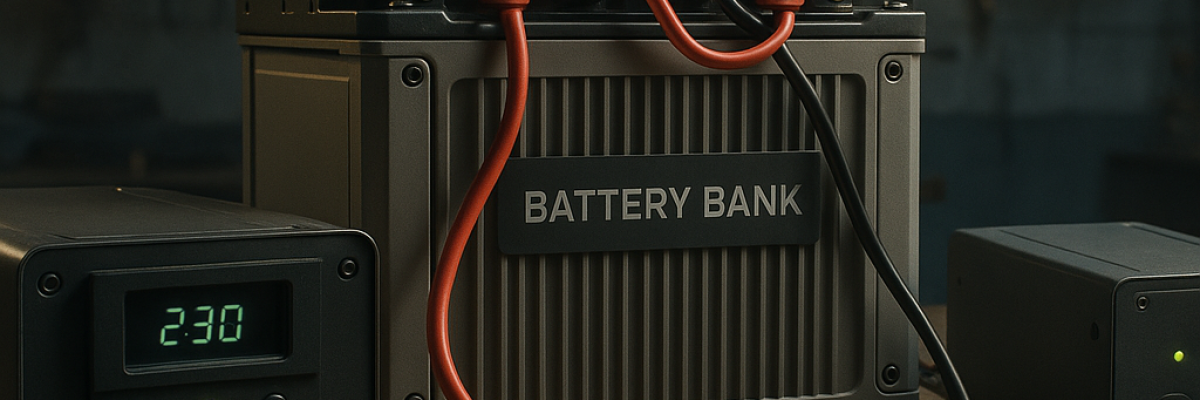
Understanding Inverter Systems
Inverter systems are essential components in various applications, from powering household appliances during outages to allowing for renewable energy integration like solar power. An inverter converts direct current (DC) from a battery or solar panel into alternating current (AC), which is the type of current used by most home appliances. Before diving into the intricacies of connecting two inverters to a single battery bank, it's important to understand the basics of inverter functioning and their types.
Types of Inverters
Inverters primarily fall into two categories: pure sine wave inverters and modified sine wave inverters. Understanding the differences can greatly influence how you approach using multiple inverters from a single battery bank.
- Pure Sine Wave Inverters: These inverters produce a smooth waveform that closely mimics the electricity supplied by the grid. They are ideal for sensitive electronics that require a stable power supply.
- Modified Sine Wave Inverters: These are less expensive and produce a waveform that is more of a stair-step pattern. While they can power many appliances, sensitive electronics may experience issues such as increased heat or malfunction.
Battery Banks Explained
Battery banks consist of multiple batteries connected in series and/or parallel to increase voltage and capacity, respectively. The choice of battery type—lead-acid, lithium-ion, or others—also impacts performance and longevity. The capacity of a battery bank, expressed in kilowatt-hours (kWh), is a critical determinant when considering multiple inverters, as it directly relates to how long the system can run before needing a recharge.
Can You Run Two Inverters from One Battery Bank?
The short answer is yes; you can run two inverters from a single battery bank. However, several critical factors must be considered for successful operation. Each inverter's specifications, the load requirements, and the configuration of the battery bank play pivotal roles in the setup.
Key Considerations
Before proceeding with running two inverters from one battery bank, examine the following factors:
- Inverter Ratings: Check the power output ratings (watts) and the surge ratings (peak watts) for both inverters. Ensure that your battery bank can supply the necessary DC power simultaneously without dropping below the specified voltage levels.
- Load Distribution: Calculate the expected load on each inverter. Equally distribute the load to prevent overloading either inverter, which could lead to inefficiency or damage.
- Battery Bank Capacity: Ensure your battery bank has sufficient capacity (in amp-hours) to support the combined inverters and their loads. You must also consider how long you want the inverters to run without recharging.
- Cabling and Connections: Use appropriately gauged cables to connect the inverters to the battery bank. This minimizes voltage drop and overheating, ensuring efficiency.
- Isolation and Interference: Using two inverters can introduce complications such as electrical interference or ground loop issues. Proper isolation techniques and grounding strategies are necessary for smooth operation.
Wiring Configuration
The methodology of connecting two inverters can vary based on their design. Here are typical configurations that can be applied:
- Parallel Configuration: This connects both inverters to the positive terminal of the battery bank and the negative terminal as well. Ensure both inverters are synchronized in terms of voltage output.
- Master-Slave Configuration: One inverter acts as the master, controlling input and output direction while the other operates as a slave. This is often more complicated but can enhance efficiency in particular setups.
Advantages of Running Two Inverters
Operating two inverters from one battery bank provides several advantages:
- Redundancy: If one inverter fails, the other may continue to supply power, preventing total system failure.
- Scalability: You can add additional inverters to meet growing power needs by utilizing an existing battery bank without significant upfront costs.
- Split Loads: Distributing loads across two inverters can enhance performance and reduce the potential for overheating and wear on a single inverter.
Challenges of Running Two Inverters
Despite the advantages, there are also challenges associated with running two inverters from a single battery bank:
- Complexity in Setup: The more components in a system, the greater the complexity. Proper care must be taken to avoid misconfiguration.
- Cost: Additional equipment, like surge protectors and isolation transformers, may be necessary, increasing overall costs.
- Load Balancing: Improper load distribution can lead to inefficiencies or potential damage to equipment.
Monitoring and Maintenance
Regular monitoring and maintenance of the inverters and battery bank are crucial for ensuring long-term efficiency and reliability. Consider the following:
- Batteries: Regularly check water levels in lead-acid batteries and monitor voltage and charge cycles for lithium batteries.
- Inverters: Monitor performance metrics such as temperature, output waveform quality, and load levels.
- Cabling: Inspect connections and cables for signs of wear or corrosion, which can lead to inefficiencies.
Conclusion
In summary, running two inverters from one battery bank is possible and can be beneficial in various scenarios, from enhancing system redundancy to accommodating increased power needs. However, it requires careful planning and consideration of several critical factors, including inverter specifications, load distributions, and proper cabling. Furthermore, regular monitoring and maintenance can help ensure this setup continues to operate efficiently and reliably. Whether you are considering this setup for residential use, backup power, or renewable energy integration, understanding the intricacies involved will guide you to successfully implement a dual-inverter system.