Understanding Solar Panels: An Overview
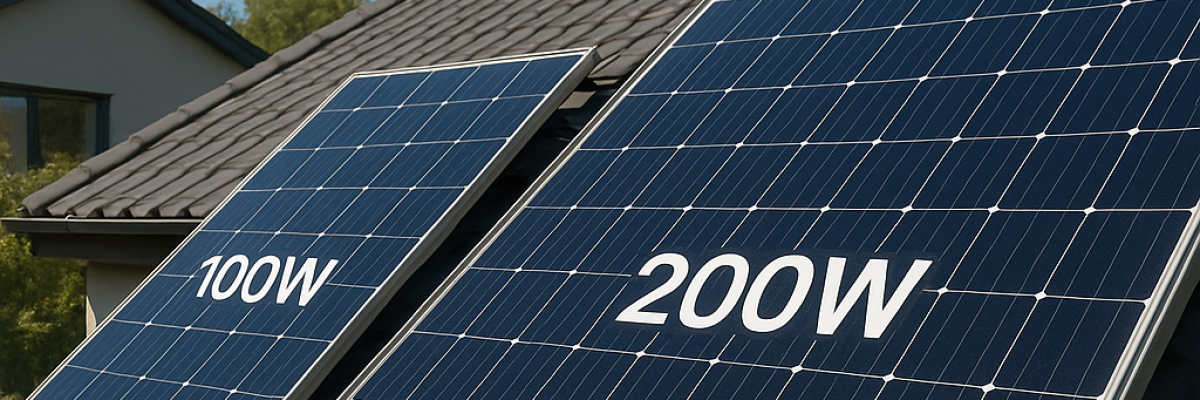
Solar panels are devices that convert light energy from the sun into electricity. They are a key component of solar energy systems, which are becoming increasingly popular as more individuals and businesses seek sustainable and renewable energy solutions. Solar panels come in various wattages, including 100W and 200W options, leading to a common question: Can I mix 100W and 200W solar panels in a solar array? This article aims to provide a comprehensive answer to this question while exploring the implications, advantages, and challenges of such a setup.
Basics of Solar Panels
Before diving into the specifics of mixing different wattage solar panels, it's important to understand some fundamental concepts related to solar panel technology. Solar panels are typically composed of photovoltaic (PV) cells that generate DC (direct current) electricity when exposed to sunlight. The wattage rating of a solar panel indicates its power output; for example, a 100W panel produces 100 watts of electricity under optimal conditions.
Mixing Solar Panels: Is It Possible?
In general, it is possible to mix different wattage solar panels in a solar power system. However, there are some crucial considerations to keep in mind. When combining a 100W panel with a 200W panel, the overall performance and efficiency of the system may be influenced by the unique characteristics of each panel.
Understanding String Configurations
Solar panels are usually connected in either series or parallel configurations:
- Series Configuration: In this setup, the positive terminal of one panel is connected to the negative terminal of another. The total voltage increases while the amperage remains the same. When mixing wattages in series, the lower-wattage panel can limit the total output.
- Parallel Configuration: In a parallel setup, all positive terminals are connected together and all negative terminals are connected together. This configuration keeps the voltage constant while allowing the total amperage to increase. When mixing panels in parallel, the performance of the weaker panel can still affect the overall efficiency.
Performance Implications
When mixing 100W and 200W solar panels, performance challenges can arise, mainly due to the difference in power output and characteristics of each panel. Understanding these implications is essential for optimizing the efficiency of your solar power system.
Voltage and Amperage Compatibility
Solar panels have specific voltage and amperage ratings that must be compatible for optimal performance. When mixing panels of different wattages, it's crucial to ensure that the voltage of both panels matches. For example, if a 100W panel has a voltage of 18V and a 200W panel operates at 36V, they cannot be directly connected in the same circuit. This mismatch can lead to inefficiencies, reduced output, or even damage to the panels.
Temperature Coefficient and Performance Ratio
The temperature coefficient of a solar panel defines how its efficiency declines as temperature increases. Different panels may have varying temperature coefficients, which can impact performance under different environmental conditions. It’s essential to select panels that have similar specifications for this parameter to minimize energy loss.
Power Tolerance and Loss
Power tolerance refers to the range of variability in a panel's output, which can affect the overall system's efficiency. Panels like the 100W and 200W variants might have different tolerances, causing discrepancies in energy production when they are used together. It is crucial to account for these differences to avoid underperformance.
Advantages of Mixing Wattage Solar Panels
While mixing wattage solar panels does come with its challenges, several advantages can be associated with this approach:
- Flexibility in Installation: Mixing panels allows you to adapt to specific installation needs, especially if space is limited or if you want to power different applications.
- Cost Efficiency: If you already own a 100W panel and find a good deal on a 200W panel, mixing can provide an economical way to expand your solar system without replacing all components.
- Incremental Upgrades: By incorporating higher wattage panels over time, you can incrementally upgrade your solar system while still utilizing existing panels.
Challenges in Mixing Solar Panels
Despite the advantages, mixing 100W and 200W solar panels presents certain challenges that require careful consideration:
- Reduced Efficiency: The overall output may be limited by the lower wattage panel, potentially leading to wasted capacity.
- Complex Wiring Requirements: Different configurations for series and parallel connections can complicate installation and increase complexity in the electrical system.
- Maintenance Difficulties: Troubleshooting issues could become harder when different wattages and specifications are present in a single system.
Best Practices for Mixing Solar Panels
If you decide to mix 100W and 200W solar panels in your solar setup, following certain best practices can help maximize performance and mitigate challenges:
- Match Voltage Ratings: Ensure both panels have similar voltage ratings to avoid performance issues.
- Monitor Performance: Install a monitoring system to track output and identify any discrepancies that arise from mixing panels.
- Consult with Professionals: It is advisable to consult with an experienced solar installer or engineer to assess the feasibility of your setup and make any necessary adjustments.
Conclusion
Mixing 100W and 200W solar panels is indeed possible; however, it comes with its set of challenges and considerations. By understanding the principles of solar panel operation, performance implications, and best practices, you can effectively integrate different wattage panels into your solar energy system. Whether you are looking to capitalize on existing equipment or want to explore incremental upgrades, being informed will help you make the best decisions for your solar investment.