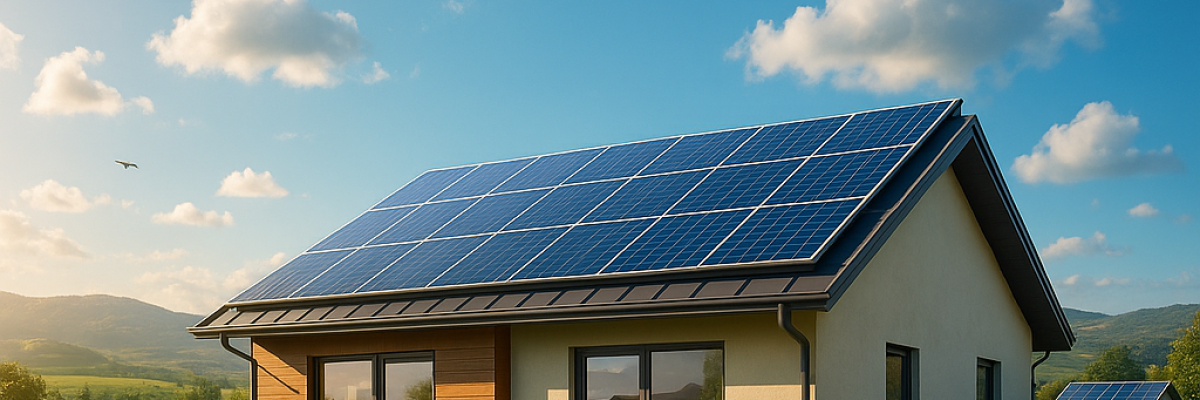
Introduction to Solar Energy in Zimbabwe
Solar energy is gaining immense popularity across the globe, but its potential in Zimbabwe is particularly significant. With abundant sunlight throughout the year, Zimbabwe possesses what many experts consider a natural resource that could revolutionize the way people live, work, and interact with the environment. The national grid faces challenges, making solar power not just a viable alternative, but an essential solution for countless households.
The Current Energy Landscape in Zimbabwe
The energy sector in Zimbabwe encounters several challenges, including unreliable supply, high tariffs, and frequent power outages. Many urban and rural areas are marginalized by insufficient access to electricity. According to the Zimbabwe Electricity Supply Authority (ZESA), a significant portion of the population still relies on firewood and candles for light and heat. This scenario presents a prime opportunity for solar energy to fill the gap and empower communities across the nation.
The Benefits of Solar Energy
Switching to solar energy offers numerous advantages, making it an attractive option for Zimbabwean households. Here are some key benefits:
- Cost Savings: After the initial investment in solar panels and installation, the energy derived from the sun is virtually free. Households can save significantly on electricity bills.
- Energy Independence: Solar energy allows families to generate their own electricity, leading to reduced dependence on erratic utility providers.
- Environmental Impact: Solar power is a clean and renewable energy source, helping to reduce carbon footprints and combat climate change.
- Job Creation: The growing solar industry provides job opportunities in installation, maintenance, and sales, boosting local economies.
- Increase Property Value: Homes equipped with solar energy systems often experience an increase in property value, making them more appealing to potential buyers.
Understanding Solar Panel Technology
To fully harness the benefits of solar energy, it is essential to understand how solar panels work. Here are the key components and concepts involved in solar panel technology:
- Solar Photovoltaic (PV) Cells: These cells convert sunlight directly into electricity. Made primarily from silicon, these cells are the heart of any solar panel.
- Inverter: The inverter converts the direct current (DC) produced by solar panels into alternating current (AC), which is used to power household appliances.
- Mounting Systems: Solar panels must be securely mounted on rooftops or ground systems, optimized for maximum sun exposure.
- Battery Storage: For homes that wish to store excess energy generated during the day for use at night or during cloudy days, battery systems are crucial.
How to Choose the Right Solar System for Your Home
Selecting the right solar energy system involves careful consideration of various factors. Here are some tips to guide Zimbabwean households in making informed decisions:
- Energy Needs Assessment: Evaluate your household's energy consumption to determine the size of the solar system you will require.
- Quality of Panels: Choose panels from reputable manufacturers that offer warranties and proven performance records.
- Installation Company: Hire experienced and certified solar installers who understand the unique conditions in Zimbabwe.
- Incentives and Financing: Investigate local incentives, grants, or financing options to ease the initial cost burden of installation.
- Grid Connection: Decide whether or not to connect your solar system to the national grid, which may influence the type of inverter and battery system you choose.
Installing Solar Panels: What to Expect
Installing solar panels can seem daunting, but understanding the process can demystify it. Here’s what to expect:
- Site Assessment: Professionals will evaluate your home’s roof and surroundings to determine the best placement for your panels.
- System Design: A customized solar energy system design will be created based on your energy needs and available space.
- Pole and Equipment Installation: If applicable, poles for ground-mounted systems and wiring will be installed.
- Panel Installation: Solar panels will then be securely mounted and connected to the inverter and battery systems as per the design.
- Final Inspection: Before going live, a final inspection will ensure everything meets safety and regulatory standards.
Cost Considerations and Financial Implications
Though solar energy systems can require a significant upfront investment, they often pay off in the long run. Here are some financial considerations for Zimbabwean homeowners:
- Initial Costs: The cost of solar panels varies based on quality and technology, but prices are generally decreasing due to advances in technology and increased competition.
- Return on Investment (ROI): Calculate the expected savings from reduced electricity bills against the initial investment to determine the return on investment timeframe.
- Financing Options: Explore financing plans available from banks and solar energy companies that can help spread the initial cost over several months or years.
- Government Grants and Subsidies: Research any available grants or subsidies to reduce the financial burden of purchasing solar systems.
The Role of Government and Policy in Solar Energy Adoption
Government policies play a pivotal role in promoting solar energy adoption in Zimbabwe. Recent policies have aimed at enhancing the energy sector with a greater focus on renewables. Here are key initiatives:
- Regulatory Framework: Establishing clear regulations for the installation, operation, and maintenance of solar systems helps facilitate growth in the sector.
- Incentives for Residential Solar: Implementing tax rebates, grants, or reduced import duties on solar equipment can motivate households to invest in solar technology.
- Public Awareness Campaigns: Educating citizens on the benefits of solar energy through community programs and workshops encourages more people to consider the switch.
Challenges Facing Solar Energy Implementation
While the prospects for solar energy in Zimbabwe are bright, certain challenges persist that can hinder widespread adoption. Addressing these challenges is crucial for realizing the full potential of solar energy:
- Initial Cost: The upfront investment required for solar systems can be daunting for many households, particularly in a struggling economy.
- Lack of Awareness: Many potential users may not completely understand the workings, benefits, and financing methods related to solar energy.
- Technical Expertise: A shortage of trained professionals for installation and maintenance could stifle solar growth.
- Regulatory Hurdles: Complex and sometimes slow regulatory processes can delay the permitting stages for solar installations.
Solar Energy Success Stories in Zimbabwe
In various regions of Zimbabwe, community-led solar initiatives have shown remarkable success, transforming lives. These stories not only highlight the potential of solar energy but also serve as inspiration for others:
- Rural Electrification Projects: Numerous rural communities have successfully implemented solar-powered microgrids, facilitating access to electricity for the first time.
- Women’s Cooperatives: Groups of women have pooled resources to collectively invest in solar solutions, empowering them through clean energy for business operations.
- Schools and Health Facilities: Many schools and clinics now utilize solar power, ensuring that essential services can operate efficiently without reliance on the unstable grid.
The Future of Solar Energy in Zimbabwe
As the technology continues to evolve and become more affordable, the future of solar energy in Zimbabwe looks promising. Here are some trends that can be anticipated:
- Increased Adoption: With more households becoming aware of the benefits and availability of solar solutions, widespread adoption is likely to increase.
- Technological Advances: Innovations such as higher efficiency solar panels and improved battery storage technologies will make solar energy even more accessible.
- Community-Based Initiatives: Expect more community solar projects where neighbors unite to invest in shared solar systems, spreading costs and benefits across multiple users.
- International Investment: Renewed interest from international stakeholders to invest in solar energy projects in Zimbabwe can propel growth and development in the sector.
Conclusion: Embracing Solar Energy for a Sustainable Future
The transition to solar energy is not merely about adopting a new technology; it is about embracing a lifestyle that promotes sustainability, equity, and independence. For Zimbabwean households, solar energy represents a significant shift toward cleaner, more reliable, and cost-effective energy solutions that empower communities and individuals alike. By feeling the freedom of solar energy, families can improve their quality of life while also contributing to a healthier planet.
As Zimbabwe moves forward, the exploration of solar energy technologies will enhance resilience against energy volatility, stimulate economic growth, and foster a green economy that thrives on renewable resources. Embracing this transition will ultimately create brighter futures for all Zimbabweans.