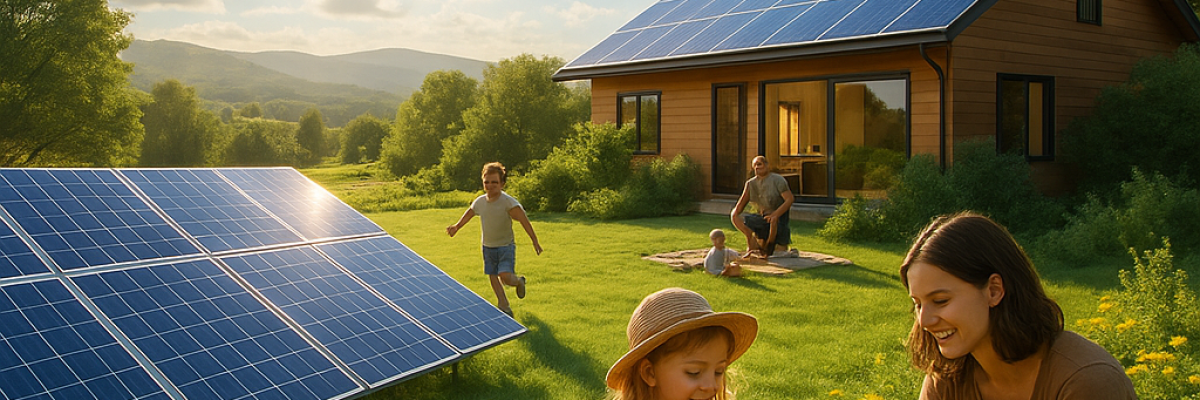
Introduction to Solar Power in Zimbabwe
As energy demands grow and the implications of climate change become increasingly evident, Zimbabwe faces a significant challenge in managing its energy landscape. The frequent power shortages and fluctuating electricity prices can create chaos for households and businesses alike. In this context, embracing solar power emerges as a sustainable, cost-effective solution that offers both energy independence and environmental benefits. This article explores the advantages, installation processes, and the future of solar energy in Zimbabwe, helping you to navigate the chaotic energy landscape with confidence.
The Current Energy Situation in Zimbabwe
Zimbabwe's energy crisis is primarily driven by several factors:
- Dependence on Hydropower: While Zimbabwe has substantial hydropower potential, factors such as droughts have significantly impacted electricity generation, leading to power shortages.
- Outdated Infrastructure: Much of Zimbabwe's energy infrastructure is antiquated, resulting in inefficiencies and increased outages.
- Growing Demand: With a rising population and industrial sector, the demand for electricity consistently outstrips supply.
- High Costs: The fluctuation in electricity tariffs can burden consumers and businesses, making solar power a compelling alternative.
This chaotic energy situation sparks the potential of solar power, which harnesses the abundant sunlight available in the region.
The Science Behind Solar Power
Solar power involves capturing sunlight and converting it into electricity through photovoltaic (PV) cells. These cells contain semiconductor materials that absorb photons from sunlight. When light hits the cells, it excites electrons, generating a flow of electricity. The key components of a solar power system include:
- Solar Panels: These are the most visible part of a solar system and are responsible for converting sunlight into electricity.
- Inverter: This device converts the direct current (DC) produced by solar panels into alternating current (AC), making the electricity usable in homes and businesses.
- Battery Storage: Storage solutions store excess energy produced during the day to be used at night or during cloudy days, ensuring a consistent power supply.
- Mounting Systems: These secure the solar panels on roofs or on the ground, maximizing exposure to sunlight.
Benefits of Embracing Solar Power
Transitioning to solar energy in Zimbabwe comes with numerous benefits that extend beyond mere power generation:
- Energy Independence: Solar power allows users to generate their own electricity, reducing reliance on the national grid and averting the pitfalls of energy shortages.
- Cost Savings: Although the initial investment can be significant, solar energy can lead to reduced electricity bills over time. With net metering, surplus energy can be sold back to the grid, providing additional savings.
- Environmental Impact: Solar energy is a clean, renewable source of power that reduces greenhouse gas emissions, contributing positively to Zimbabwe's environmental efforts.
- Job Creation: The solar sector can stimulate local economies by creating jobs in manufacturing, installation, and maintenance of solar systems.
- Increased Property Value: Homes equipped with solar energy systems often see an increase in property values, making it a worthwhile investment.
The Installation Process of Solar Power Systems
Installing a solar power system involves several steps:
- Consultation and Assessment: Engaging with a reputable solar provider for a consultation is the first step. They assess your energy requirements, roof space, and budget to recommend suitable systems.
- System Design: Once the consultation is complete, the provider will design a solar system tailored to your specific needs, considering panel type, inverter sizing, and battery storage options.
- Permitting: Depending on local regulations, obtain any necessary permits for installation. This can vary by region and may involve inspections.
- Installation: Professional technicians will install the solar panels, inverter, and any additional equipment. This process typically takes one to three days, depending on the system size.
- Inspection and Approval: After installation, a final inspection is often required to ensure the system meets safety and performance standards.
- Activation: Once inspected, the system can be activated, and you can start generating your own electricity.
Common Misconceptions About Solar Power
Despite the numerous advantages, several misconceptions regarding solar power persist in Zimbabwe. Addressing these can encourage wider adoption:
- High Initial Costs: While the upfront investment may be high, various financing options and government incentives can mitigate these costs over time.
- Unreliable Energy Source: Solar energy is often viewed as unreliable due to weather variations, but advances in technology, such as battery storage, can provide consistent energy regardless of sunlight availability.
- Requires Large Spaces: Not all solar systems require expansive land. Rooftop installations can effectively harness solar energy in urban areas.
- Only Suitable for Urban Areas: While urban areas benefit significantly, rural communities can also leverage solar solutions through off-grid systems.
Government Policies and Incentives for Solar Energy
The Zimbabwean government has recognized the need for alternative energy sources and is taking steps to encourage the adoption of solar power. Initiatives include:
- Policies Supporting Renewable Energy: The government has established policies to promote the integration of renewable energy into the national grid.
- Incentives for Solar Installations: Homeowners and businesses may qualify for tax breaks and incentives when they install solar systems.
- Rural Electrification Programme: The government is focused on improving energy access in rural communities, often through solar power projects.
These efforts are crucial in fostering a supportive environment for solar energy in Zimbabwe.
Challenges Facing Solar Energy Adoption
Despite its benefits, solar energy adoption in Zimbabwe does face challenges, including:
- Initial Capital Investment: The high upfront costs of solar systems remain a barrier, especially in low-income households.
- Lack of Awareness: Many people are still unaware of the benefits and feasibility of switching to solar, necessitating more awareness programs.
- Supply Chain Issues: Ensuring a reliable supply of equipment and technology can be difficult, impacting installation processes.
- Maintenance and Support: After installation, ongoing maintenance and support are crucial; lack of skilled technicians can pose a challenge.
The Future of Solar Power in Zimbabwe
With globalization and technological advancements, the future of solar energy looks promising in Zimbabwe. Here are key aspects to consider:
- Technological Innovation: As solar technology continues to evolve, the efficiency of solar panels and storage options will improve, reducing costs and enhancing performance.
- Community Solar Projects: Initiatives that enable communities to invest in shared solar resources can broaden access, especially in rural areas.
- Bolstering Global Partnerships: Collaborations with international organizations and investors can facilitate funding and technology transfer to boost solar energy development.
- Focus on Education and Training: Investing in training programs for technicians can build a skilled workforce to support solar installations and maintenance.
Steps to Get Started with Solar Energy
Deciding to embrace solar power is a significant step toward energy independence. Here’s a simple guide to get started:
- Research: Investigate solar energy options available in your area and familiarize yourself with technologies and cost implications.
- Evaluate Energy Needs: Assess your household or business energy consumption to determine the right system size.
- Seek Professional Advice: Consult with certified solar energy providers who can advise on system configuration and installation.
- Financial Planning: Explore financing options and incentives that can help you minimize initial costs.
- Installation: Move forward with purchasing and installing your solar system with the guidance of professionals.
- Monitor Performance: Once operational, regularly check the performance of your solar system to ensure it operates efficiently.
Conclusion
In a country grappling with energy chaos, embracing solar power presents a viable path toward sustainable energy independence. By understanding the benefits, installation process, and overcoming misconceptions, individuals and businesses in Zimbabwe can harness the power of the sun to free themselves from the unpredictability of traditional energy sources. As governments and communities push forward with solar initiatives, the future of energy in Zimbabwe shines brightly, promising a greener, more stable energy landscape.