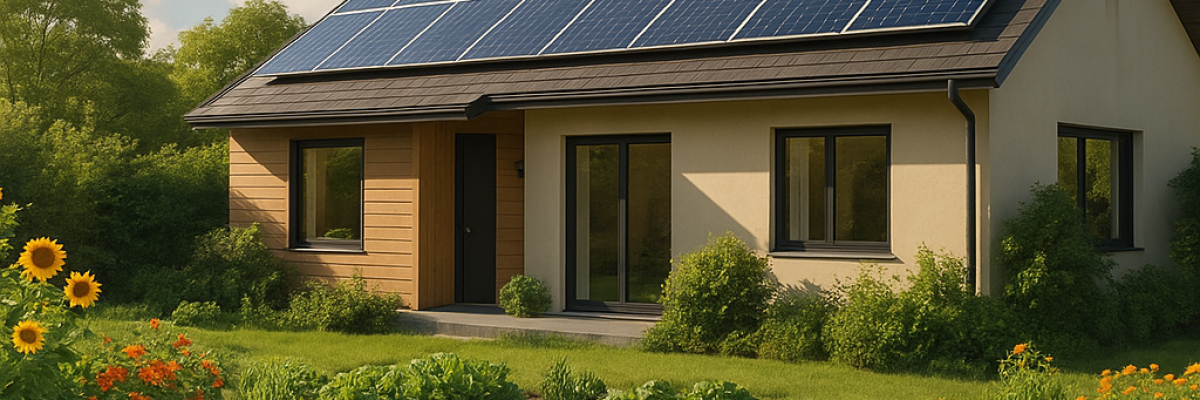
Understanding Energy Independence in Zimbabwe
In today’s world, energy independence has become a clarion call for many nations, and Zimbabwe is no exception. With rising utility costs, frequent power outages, and a growing concern for the environment, home transformation is emerging as a viable solution. By embracing energy independence, homeowners in Zimbabwe can reclaim control over their energy needs, reduce their carbon footprint, and enhance their overall quality of life.
Why Is Energy Independence Crucial for Zimbabwe?
Energy independence in Zimbabwe is paramount for various reasons. First, it addresses the chronic power shortages that have plagued the nation for decades. Second, it enhances economic resilience by reducing dependency on a centralized power grid that is often unable to meet the demand. Additionally, energy independence fosters innovation and self-sufficiency among households, ultimately contributing to sustainable development.
The Current Energy Landscape in Zimbabwe
Zimbabwe’s energy sector is predominantly reliant on fossil fuels and hydroelectric power. However, the reliance on traditional sources presents both challenges and opportunities:
- Power outages: Frequent outages impact businesses and daily life, making reliable electricity a growing concern.
- Rising energy costs: erratic pricing and tariffs contribute to an unsustainable economic environment for many families.
- Environmental issues: The reliance on fossil fuels and the strain on water resources raise environmental concerns.
Recognizing these challenges opens the door for innovative solutions that empower homeowners to take control of their energy usage.
Strategies for Transforming Your Home
Transforming your home to achieve energy independence involves various steps and considerations. Here are key strategies that homeowners can explore:
1. Conduct an Energy Audit
Before diving into any upgrades, it is crucial to perform a thorough energy audit of your home. This process includes:
- Identifying energy consumption: Understanding how much energy your household consumes is the first step towards making informed choices.
- Spotting inefficiencies: Look for areas where energy is wasted, such as drafty windows or outdated appliances.
- Prioritizing improvements: Based on the audit findings, prioritize which upgrades will yield the most significant energy savings.
2. Invest in Renewable Energy Sources
Adopting renewable energy sources is a cornerstone of achieving energy independence. Homeowners can consider the following options:
Solar Energy
Zimbabwe boasts an abundance of sunlight, making solar energy a highly effective option. Benefits of solar energy include:
- Cost-effectiveness: Initial investment costs can be offset by savings on electricity bills over time.
- Low maintenance: Solar panels require minimal upkeep once installed.
- Environmental impact: Solar power is a clean, renewable resource that reduces greenhouse gas emissions.
To get started, consider solar panel installation on rooftops or explore community solar projects.
Wind Energy
While not as prevalent as solar energy, wind energy can still be a viable option, particularly in open areas. Homeowners can examine the following:
- Feasibility studies: Assess whether wind energy is a practical choice based on local wind patterns.
3. Upgrade to Energy-Efficient Appliances
Another essential step in transforming your home is updating appliances to more energy-efficient models. Key considerations include:
- Energy Star ratings: Look for appliances that have Energy Star ratings, indicating increased efficiency.
- Long-term savings: While the upfront cost may be higher, energy-efficient appliances save money in the long run.
4. Enhance Insulation and Weatherproofing
Improving your home’s insulation will significantly reduce energy consumption. Key actions include:
- Insulation installation: Add insulation to attics, walls, and floors to keep indoor temperatures stable.
- Weatherstripping: Seal any leaks around windows and doors to prevent drafts.
These measures not only enhance energy efficiency but also improve overall comfort in the home.
5. Utilize Smart Home Technology
Incorporating smart technology can streamline energy usage and increase efficiency. Homeowners can utilize:
- Smart thermostats: These devices can learn your schedule and adjust heating and cooling accordingly.
- Energy monitoring systems: These systems track energy usage patterns and help identify areas to cut back.
6. Create a Sustainable Garden
Transforming your home isn’t just about energy efficiency; it can also involve cultivating self-sufficiency. A sustainable garden can help provide food independence, including:
- Growing vegetables: Start a vegetable garden to minimize reliance on store-bought produce.
- Rainwater harvesting: Set up systems to collect and use rainwater for irrigation.
7. Explore Alternative Fuel Sources
For heating, consider alternative fuels such as:
- Biomass: Utilizing agricultural waste or wood chips as a renewable heating source.
- Biogas: Implementing small-scale biogas digesters can convert organic waste to energy.
The Financial Aspect of Home Transformation
Transforming your home to achieve energy independence involves both costs and potential financial benefits. Understanding financing options and savings can lead to informed decisions:
Assessing Initial Costs
Home transformation can have varying initial costs depending on the extent of renovations and upgrades. Key factors include:
- Installation of renewable systems: Solar panels or wind turbines may require significant initial investment.
- Energy-efficient appliances: While they may have higher prices, long-term savings should be emphasized.
Calculating Long-Term Savings
While the upfront investment can be daunting, the long-term savings on utility bills can lead to quicker recovery of costs. Benefits include:
- Reduced energy bills: A decrease in consumption directly correlates to lower monthly expenses.
- Potential tax incentives: Some governments offer tax benefits or rebates for energy-efficient upgrades.
Exploring Financing Options
There are several financing avenues available for homeowners looking to invest in energy independence:
- Government grants: Research available programs designed to support renewable energy adoption.
- Low-interest loans: Certain financial institutions offer loans specifically for energy-efficient home improvements.
- Pay-as-you-save models: Some companies provide these financing options that allow homeowners to pay through savings on bills.
Community and Government Initiatives
Government and community initiatives play a vital role in promoting energy independence. Homeowners should be aware of programs and resources that may provide assistance. Here are a few examples:
Government Programs
The Zimbabwean government recognizes the importance of renewable energy and may offer various programs to support the transition to independent energy. Consider reaching out to local authorities for details on:
- Subsidies for renewable installations.
- Awareness campaigns promoting energy conservation.
Community Projects
Participating in local community projects can amplify efforts for energy independence while fostering collaboration. Consider joining:
- Community solar initiatives: These allow multiple homeowners to share the costs and benefits of solar energy.
- Workshops and training sessions: Opportunities to learn about DIY renewable energy solutions and sustainability practices.
Challenges to Overcome
While the journey toward transforming your home for energy independence is worthwhile, it can be fraught with challenges. Recognizing these obstacles is essential to navigate them effectively.
High Initial Costs
Many homeowners are deterred by the initial costs associated with renewable energy systems, energy-efficient appliances, and home improvements. Addressing this requires planning and research into financing options and potential savings.
Access to Technology
In some regions, access to modern technology and quality products may pose challenges. Homeowners must seek reliable suppliers and consider alternative, locally sourced options for installation.
Regulatory Hurdles
Compliance with local regulations and policies can be a significant barrier for homeowners seeking to install renewable energy systems. It’s essential to stay informed about local bylaws and building codes while also advocating for supportive policies.
Building Community Awareness
Awareness and education at the community level are critical to encourage more homeowners to embrace energy independence. Consider hosting seminars and workshops to discuss the benefits of various strategies and technologies.
The Future of Energy Independence in Zimbabwe
The movement toward energy independence is gaining momentum in Zimbabwe. As more homeowners adopt renewable energy solutions, the collective impact can lead to significant advancements in sustainability, economic growth, and energy security.
Conclusion
Transforming your home to reclaim energy independence in Zimbabwe is not just a personal choice; it is a contribution toward a more resilient and sustainable future. By conducting thorough energy audits, investing in renewable energy, and actively engaging with community initiatives, homeowners can enjoy reduced energy costs, increased reliability, and a lower environmental impact. While challenges may arise, the journey toward energy independence is both feasible and rewarding, ultimately paving the way for a brighter, more sustainable Zimbabwe.