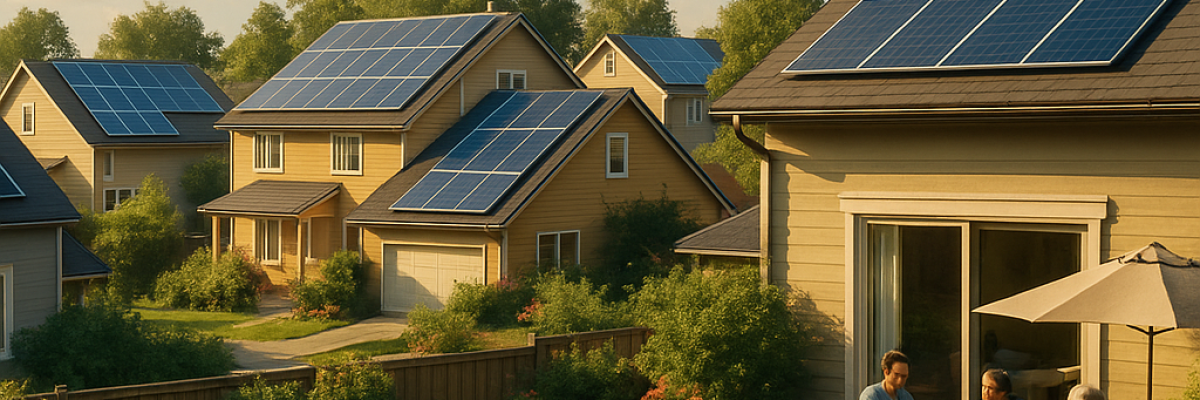
Introduction to Solar Energy in Zimbabwe
In recent years, Zimbabwe has faced significant challenges concerning its energy sector, marked by power shortages and rising electricity prices. As the demand for energy continues to grow, many homes and businesses are looking for reliable and affordable alternatives. One solution that has emerged as not just feasible but also increasingly popular is solar energy. This article delves deep into the secrets of affordable energy through solar systems in Zimbabwe, providing insights into costs, benefits, technologies, and how to make the transition to solar energy.
The Current Energy Landscape in Zimbabwe
Zimbabwe has a complex energy landscape characterized by a mix of hydropower, thermal, and renewable sources. With over 70% of the energy coming from hydropower, the country remains vulnerable to climate variations affecting water levels. Frequent load shedding and power outages have become a norm, creating a pressing need for alternative energy solutions.
- Hydropower: While it contributes significantly to the national grid, its dependence on rainfall makes it unreliable.
- Thermal Power: Coal-fired power plants have been a major contributor; however, they pose environmental concerns and are subject to fuel price fluctuations.
- Renewable Sources: The government has recognized the importance of diversifying energy sources, thus promoting solar energy as a viable option.
Understanding Solar Energy
Solar energy harnesses sunlight using various technologies to convert it into electricity or heat. It is a renewable energy source that visits no environmental degradation if installed properly. The two primary technologies for harnessing solar energy are:
- Photovoltaic (PV) Systems: These convert sunlight directly into electricity using solar panels made of silicon cells.
- Solar Thermal Systems: These systems use sunlight to heat liquid, which can then be used for domestic hot water or to generate steam for electricity production.
The Benefits of Solar Energy in Zimbabwe
Adopting solar energy in Zimbabwe comes with numerous benefits that go beyond just reducing electricity costs. Here are some key advantages:
- Cost Savings: Once the initial investment is made, solar energy can drastically reduce electricity bills, as sunlight is free.
- Energy Independence: Solar energy allows households and businesses to generate their own power and reduces reliance on the national grid.
- Job Creation: The solar industry has the potential to create numerous jobs ranging from installation to maintenance.
- Environmental Sustainability: Solar energy significantly reduces carbon emissions, contributing to a cleaner environment.
- Increased Energy Security: By diversifying the energy supply, solar energy can help stabilize energy prices and availability.
Cost of Solar Energy in Zimbabwe
Understanding the cost associated with solar energy is crucial for making informed decisions. The initial investment in solar power usually includes the cost of solar panels, inverters, batteries (if off-grid), and installation. Below are the components and their associated costs:
- Solar Panels: The cost of solar panels can vary widely depending on the brand and efficiency. In Zimbabwe, the cost can range from $300 to $600 per panel.
- Inverters: They are essential for converting direct current (DC) from solar panels to alternating current (AC) needed for household appliances. Inverter costs range from $200 to $1,000, depending on the capacity.
- Batteries: For off-grid systems, battery storage is critical. Quality batteries can cost anywhere from $500 to $2,000.
- Installation Costs: Professional installation is recommended, with costs typically ranging from $500 to $1,500, depending on complexity.
Overall, a standard residential solar system in Zimbabwe can cost between $5,000 and $15,000. However, financing options and solar loans available through various institutions can alleviate the upfront burden.
Government Incentives and Support
The Zimbabwean government has taken proactive measures to promote solar energy adoption. Understanding these incentives can help reduce the financial burdens associated with solar energy installation:
- Tax Exemptions: The government offers tax incentives for both importers and users of solar energy systems.
- Financing Schemes: Several local banks and financial institutions provide tailored loan products specifically for renewable energy projects.
- Public Awareness Campaigns: Government initiatives aimed at educating citizens about the benefits of solar energy also promote growth in this sector.
Technological Innovations in Solar Energy
Technological advancements have made solar energy systems more efficient and affordable. Here are a few innovations enhancing solar energy efficiency specifically relevant to Zimbabwe:
- Improved Solar Panels: Modern panels come with higher efficiency ratings and longer warranties, ensuring better returns on investment.
- Smart Inverters: These devices can optimize energy usage by monitoring production and consumption in real-time.
- Solar Water Heaters: Solar thermal collectors for hot water can be an effective solution for households, reducing electricity bills significantly.
- Hybrid Systems: Combining solar and other energy sources (like generators) allows users to cut costs while ensuring reliability.
How to Transition to Solar Energy
Making the transition to solar energy involves several steps to ensure a smooth installation process:
- Assess Your Energy Needs: Analyze your energy consumption to determine the size of the solar system needed.
- Research Local Suppliers: Look for reputable solar installers with experience and positive reviews.
- Obtain Quotes: Gather quotes from multiple providers to compare prices and services offered.
- Check for Warranties: Ensure that solar panels and inverters come with warranties for peace of mind.
- Consider Financing Options: Look into available financing deals that can ease initial cost pressures.
Common Misconceptions About Solar Energy
While solar energy has many advantages, several misconceptions can deter potential users. Here are some common myths and the reality behind them:
- Myth 1 - Solar Panels Are Too Expensive: While initial costs may seem high, the long-term savings and government incentives make them more affordable than perceived.
- Myth 2 - Solar Energy Only Works in Sunny Areas: Solar technologies can effectively harness energy even on cloudy days, making them suitable for varying climates.
- Myth 3 - They Require Too Much Maintenance: Solar panels are low-maintenance, usually requiring just a simple cleaning and periodic checks.
- Myth 4 - Solar Energy Is Unreliable: With advancements in battery storage technology, solar systems can provide continuous power, regardless of weather conditions.
Solar Energy Case Studies: Success Stories in Zimbabwe
Numerous successful case studies highlight the potential of solar energy in Zimbabwe:
- Rural Electrification Projects: Many rural communities have implemented solar micro-grid systems, providing essential electricity for schools and clinics.
- Commercial Applications: Local businesses are increasingly turning to solar to power operations, resulting in substantial savings and increasing operational efficiency.
- Productive Use: Farmers utilizing solar-powered irrigation systems have reported increased yields and income, demonstrating solar's role in improving agricultural productivity.
Challenges to Solar Energy Adoption
Despite its advantages, there are challenges to the widespread adoption of solar energy in Zimbabwe:
- Initial Investment Barrier: While there are financing options available, the upfront costs can deter many potential users.
- Lack of Awareness: Many citizens remain unaware of solar energy's potential benefits, hindering adoption rates.
- Regulatory Hurdles: Navigating the bureaucracy involved in obtaining permits and incentives can be cumbersome.
- Inconsistent Quality of Products: The influx of low-quality solar products in the market makes it challenging to ensure reliability.
Future of Solar Energy in Zimbabwe
The future of solar energy in Zimbabwe looks promising, fueled by ongoing government initiatives and increasing private sector involvement. The future growth of solar energy is likely to be shaped by:
- Policy Support: Continued governmental support can provide the framework for more extensive solar energy adoption.
- Investment in Research and Development: Innovations can lead to more efficient and affordable solar technologies, bringing down costs even further.
- Community Engagement: Local awareness campaigns can foster a better understanding of solar solutions within communities.
- Global Trends: As global demands shift towards cleaner energy sources, Zimbabwe can position itself as a leader in renewable energy on the African continent.
Conclusion: Embracing Solar for a Sustainable Future
In conclusion, with challenges such as energy shortfall and high electricity prices, solar energy presents a powerful solution for Zimbabweans seeking affordable and sustainable energy. By understanding the benefits, costs, and available support systems, individuals and organizations can make informed decisions to adopt solar energy. As the country moves toward a more sustainable energy future, embracing solar energy could be the key to unlocking a more affordable and sustainable lifestyle for many Zimbabweans.