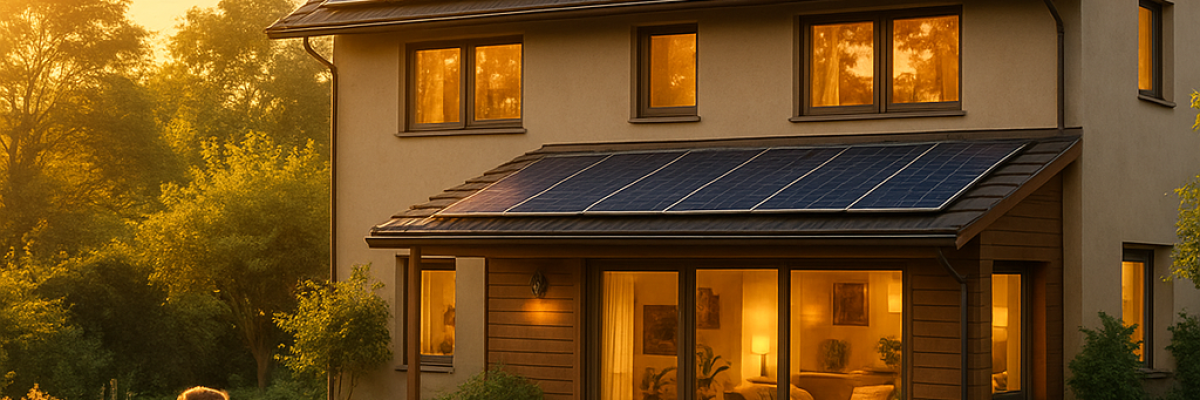
Introduction to Solar Energy in Zimbabwe
As the world increasingly turns to renewable energy sources, Zimbabwe is no exception. The country's abundance of sunlight has made solar energy a viable and sustainable option for many homeowners. Solar power provides an opportunity to illuminate homes, reduce electricity costs, and contribute to a greener environment. This article delves into how you can dare to illuminate your home with solar magic in Zimbabwe, exploring the benefits, technology, installation processes, and financial implications of solar energy.
The Current Energy Landscape in Zimbabwe
Zimbabwe has faced numerous energy challenges over the years, particularly with dwindling hydroelectric resources and inconsistent power supply. Load shedding has become a common occurrence, making it difficult for households and businesses to operate efficiently. In light of these challenges, many citizens are seeking alternative energy solutions, with solar power fitting the bill as a reliable and sustainable option.
Benefits of Solar Power in Zimbabwe
Choosing solar energy for your home in Zimbabwe offers numerous advantages:
- Cost Savings: With rising electricity tariffs, solar energy can significantly reduce your monthly power bills. By investing in solar panels, homeowners can generate their electricity, minimizing reliance on the national grid.
- Energy Independence: Solar power allows families and businesses to operate independently from the often unreliable power supply. This independence is particularly beneficial in rural areas where access to energy can be limited.
- Environmental Impact: Solar energy is clean and renewable, helping to reduce carbon footprints. Using solar power contributes to a sustainable future, combating climate change.
- Job Creation: The growth of the solar industry in Zimbabwe creates job opportunities in manufacturing, installation, and maintenance, driving economic development.
Types of Solar Energy Systems
When considering solar energy for your home, it's essential to understand the different types of solar energy systems available:
- Grid-Tied Systems: These systems are connected to the national power grid. They allow homeowners to use solar power while remaining connected to the grid for backup. Any excess energy generated can be fed back into the grid, often resulting in credits by power companies.
- Off-Grid Systems: Ideal for remote areas, off-grid systems are self-sufficient and do not rely on the national grid. These systems typically include batteries for energy storage, ensuring power availability even when sunlight is not available.
- Hybrid Systems: Combining the benefits of both grid-tied and off-grid systems, hybrid systems can store energy in batteries while still being connected to the national grid, providing flexibility and reliability.
The Science Behind Solar Energy
Solar energy harnesses sunlight and converts it into electricity using photovoltaic (PV) cells. These cells, typically made of silicon, absorb sunlight and generate direct current (DC) electricity. An inverter then converts this DC electricity into alternating current (AC) electricity, which can be used in homes. Understanding this process helps you appreciate the technology behind solar power and its efficiency in energy production.
Choosing the Right Solar Panels
When selecting solar panels for your home, consider the following factors:
- Efficiency: Higher efficiency panels convert sunlight into electricity more effectively, maximizing energy production in limited space.
- Durability: Look for panels that are built to withstand harsh weather conditions, especially in regions prone to heavy rainfall or strong winds.
- Warranty: A solid warranty indicates manufacturer confidence in their product. Look for panels with long warranties, typically 25 years.
- Cost: While the initial investment might seem significant, consider the long-term savings and return on investment.
Installation Process of Solar Energy Systems
The installation of solar energy systems involves several critical steps to ensure optimal performance:
- Consultation: Engage with a reputable solar provider to assess your energy needs and property suitability for solar installation.
- Site Assessment: Solar experts will conduct a comprehensive site evaluation, considering factors like roof orientation, angle, and shading from trees or buildings.
- System Design: Based on the assessment, a customized solar system design is created to maximize energy efficiency.
- Permitting: Before installation, necessary permits are obtained from local authorities, ensuring adherence to regulations and safety standards.
- Installation: Trained technicians will install the solar panels, inverters, and other system components. This process typically takes a few days.
- Final Inspection: After installation, an inspection is conducted to ensure everything is functioning correctly and safely.
The Financial Aspects of Going Solar
Investing in solar energy requires careful financial planning. Here are some financial considerations:
- Initial Costs: The upfront cost of solar panels and installation can be significant. Costs vary based on system size, panel quality, and installed components.
- Incentives and Rebates: Look for government grants, incentives, or rebates available for solar installations, which can offset initial expenses.
- Financing Options: Many financial institutions in Zimbabwe offer loans specifically for solar installations. Research options that provide favorable interest rates and terms.
- Return on Investment (ROI): Calculate potential savings on electricity bills to determine your ROI. Typically, solar systems pay for themselves over several years.
Maintenance of Solar Energy Systems
To ensure longevity and optimal performance, regular maintenance of your solar energy system is essential. Here are some maintenance tips:
- Cleaning: Dust, dirt, and debris can reduce panel efficiency. Regularly clean your solar panels, especially after heavy rains or dust storms.
- Inspections: Periodically check for any damage, loose wires, or unusual noises coming from the inverter, signaling potential issues.
- Monitoring System Performance: Utilize monitoring tools that provide real-time data on your system's performance, helping to identify any performance drops promptly.
Solar Magic in Zimbabwean Homes
Solar magic is not just a trend; it is rapidly transforming homes across Zimbabwe. Many families have embraced the switch to solar energy, and there are inspiring stories of change:
- Empowering Rural Communities: In rural areas, solar power is revolutionizing daily life. For instance, solar-powered water pumps are providing access to clean drinking water, while solar lights illuminate homes, allowing children to study after dark.
- Supporting Small Businesses: Small enterprises, such as hair salons and grocery shops, are installing solar systems to cut costs and provide better services, transforming local economies.
- Enhancing Quality of Life: By eliminating reliance on erratic power supply, families enjoy uninterrupted access to refrigeration, entertainment, and communication, vastly improving their quality of life.
Government Support and Policies
The Zimbabwean government has recognized the potential of solar energy and has implemented various policies to promote its adoption. Key initiatives include:
- Tax Incentives: The government offers tax relief for investments made in renewable energy projects, encouraging more households to consider solar installations.
- Partnerships: Collaboration with international organizations and NGOs to facilitate access to solar technology and funding for installation projects.
- Public Awareness Campaigns: Educating citizens on the benefits of solar energy encourages adoption across the nation.
Case Studies of Successful Solar Implementations
Examining successful case studies can shed light on the potential of solar energy in Zimbabwe:
- Solar Village Project: A community in Masvingo has implemented a collective solar energy program, where residents jointly invest in solar panels, sharing benefits and costs, showcasing community strength.
- Schools with Solar: Several schools have installed solar panels, providing uninterrupted power for classrooms, enabling technology integration, and enhancing the learning environment.
- Health Clinics Going Solar: Rural clinics benefiting from solar energy ensure consistent operation, providing essential services without the hindrances of power shortages.
Challenges Facing Solar Adoption in Zimbabwe
While the prospects of solar energy are promising, some challenges impede its widespread adoption:
- High Initial Costs: Even with incentives, the upfront costs may deter lower-income households from investing in solar energy.
- Lack of Awareness: Many citizens are still unaware of the benefits of solar power and the available options, preventing informed decision-making.
- Installation Expertise: Limited skilled labor for solar installations may lead to subpar implementation, impacting system performance.
- Regulatory Barriers: Bureaucratic red tape in obtaining necessary permits may delay solar projects, discouraging potential investments.
The Future of Solar Energy in Zimbabwe
The future of solar energy in Zimbabwe looks bright. As technology advances and costs decline, more and more people will turn to solar power as a reliable energy source. Some key trends and predictions for the future include:
- Increased Accessibility: As more companies enter the solar market, competition will lead to better pricing and more financing options for consumers.
- Innovative Technologies: Advances in solar technology, such as more efficient panels and energy storage solutions, will enhance system capabilities.
- Community Initiatives: More grassroots solar projects will sprout, encouraging community involvement and collective investment in renewable energy.
- Policy Evolution: Continued government support and the evolution of policies will drive further investment in solar infrastructure.
Conclusion: Your Journey Towards Solar Energy
Daring to illuminate your home with solar magic in Zimbabwe is not just a choice; it’s a step towards a sustainable future. By capitalizing on the country's abundant solar resources, you can achieve energy independence, reduce your carbon footprint, and ultimately enhance your quality of life. Embrace the journey towards solar energy by assessing your needs, understanding the options available, and taking action toward a brighter, greener tomorrow.