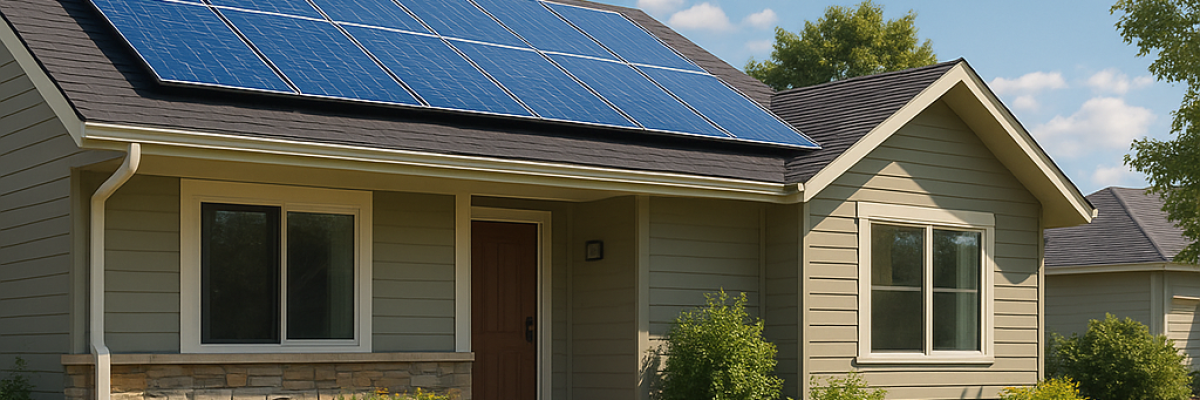
Understanding the Solar Revolution in Zimbabwe
As Zimbabwe continues to face power shortages and rising electricity costs, many residents and businesses are seeking alternative energy solutions. Solar energy has emerged as a viable and sustainable option, allowing households and companies to harness the sun's power to reduce energy bills. With high electricity prices and frequent load shedding, embracing solar energy is not just a trend but a necessity for economic stability.
The Benefits of Solar Energy in Zimbabwe
Switching to solar energy can provide several benefits that go beyond mere savings on electricity bills. Here are key advantages:
- Cost Savings: Solar panels can significantly reduce electricity costs, especially for households that use a lot of power during peak hours.
- Energy Independence: By generating your own electricity, you can reduce reliance on the national grid and avoid the frustrations of power cuts.
- Environmental Impact: Solar energy is clean and sustainable, reducing your carbon footprint and helping combat climate change.
- Increase Property Value: Properties equipped with solar systems can see a rise in value, making them more attractive to potential buyers.
- Job Creation: As the solar industry grows in Zimbabwe, it creates job opportunities in installations, maintenance, and manufacturing.
Understanding the Costs of Solar Installation
The initial investment for solar energy can seem steep, but understanding the long-term savings can justify the cost. Here’s a breakdown of what to consider:
- Equipment Costs: This includes solar panels, inverters, and batteries. Prices can vary based on the brand and technology.
- Installation Costs: Hiring qualified professionals is crucial for installation, as improper setup can lead to inefficiencies.
- Financing Options: Many companies offer financing plans, leasing options, or government incentives that can lower upfront costs.
- Return on Investment: Estimating how long it will take to recoup the initial investment through energy savings is essential for evaluating the economic feasibility.
Types of Solar Systems Available
There are several types of solar energy systems that can be installed in Zimbabwe, each suited for different needs:
- Grid-Tied Systems: These systems connect to the national grid, allowing you to sell back excess energy produced. They are often less expensive but do not provide power during outages.
- Off-Grid Systems: Ideal for remote areas, these systems are independent of the grid and require battery storage to provide constant power.
- Hybrid Systems: Combining both grid-tied and off-grid features, hybrid systems can use both battery storage and grid electricity, providing flexibility and reliability.
Choosing the Right Solar Installer
Selecting a reputable solar installer is crucial for ensuring a successful transition to solar energy. Consider the following factors when choosing your installer:
- Experience: Look for installers with a proven track record in the industry and positive customer reviews.
- Certifications: Ensure the company is certified and adheres to standards set by local and international bodies.
- Warranty and Support: Check the length and coverage of product warranties to protect your investment against defects or performance issues.
- Customized Solutions: A good installer will assess your specific energy needs and recommend a tailored solar solution.
Understanding ZESA and the Solar Integration Process
The Zimbabwe Electricity Supply Authority (ZESA) plays a significant role in the energy landscape of the country. Understanding how to navigate ZESA's regulations and policies is important for those looking to integrate solar energy.
- Net Metering: ZESA has provisions for net metering, where excess solar energy fed back to the grid can earn credits on your electricity bill.
- Permitting Process: Ensure all required permits and documentation are obtained before installation to avoid legal issues.
- Compliance with Standards: Adhering to the regulatory framework established by ZESA and other authorities is critical for installation.
The Role of Government Support and Incentives
To encourage the adoption of solar energy, the Zimbabwean government has introduced various incentives and policies:
- Tax Exemptions: Some solar equipment may be exempt from VAT, reducing overall costs.
- Subsidies and Grants: Efforts have been made to provide financial assistance to households adopting renewable energy sources.
- Public Awareness Campaigns: The government is working on educating citizens about renewable energy benefits, further promoting solar adoption.
The Future of Solar Energy in Zimbabwe
The future of solar energy in Zimbabwe looks promising, with advancements in technology and a growing acceptance of renewable energy. As more Zimbabweans embrace solar, the following trends are likely to emerge:
- Increased Accessibility: As prices continue to drop, solar solutions will become more accessible to lower-income households.
- Technological Advancements: Continuous research and development in solar technology will lead to more efficient and cost-effective solar solutions.
- Enhanced Energy Storage Solutions: Innovations in battery technology will improve off-grid systems, providing more reliable energy access.
Conclusion: Taking the Leap into Solar Energy
As the sun shines brightly over Zimbabwe, it also presents an opportunity for its citizens to take control of their energy needs. Embracing solar energy not only paves the way for significant savings on monthly electricity bills but also contributes to a sustainable future. The transition might require an initial investment, but the long-term benefits, both financial and environmental, are hard to ignore. With the right information, planning, and support, Zimbabweans can say goodbye to sky-high electricity bills and step into a brighter, more sustainable future powered by solar energy.