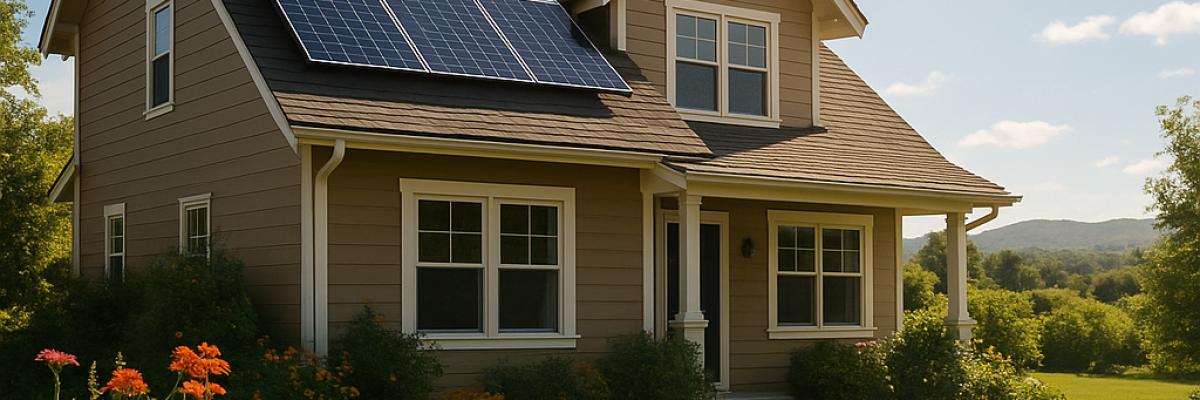
Introduction to Solar Power in Zimbabwe
As the world increasingly turns towards sustainable and renewable energy sources, solar power has emerged as a leading solution, particularly in regions with abundant sunlight. Zimbabwe, with its favorable climate, is well-positioned to harness the power of the sun to meet its energy needs. The adoption of solar power in Zimbabwean homes offers not just an alternative to conventional electricity sources but also a pathway to energy independence and sustainable living. This article explores how homeowners can experience the freedom of solar power, the benefits it offers, the available technologies, and guidelines for installation.
The Importance of Renewable Energy
Zimbabwe has faced significant energy challenges, including load shedding and inconsistent electrical supply. The country relies heavily on coal and hydroelectric power, both of which face restrictions due to environmental concerns and changing water levels. Renewable energy sources, particularly solar energy, present an opportunity to alleviate these issues.
Transitioning to renewable energy has several advantages:
- Environmental Benefits: Solar energy production does not produce greenhouse gas emissions, thus contributing to a cleaner environment.
- Energy Security: By investing in solar power, homeowners can reduce their dependence on national grids, which are often unreliable.
- Cost Savings: Renewable energy often leads to lower utility bills over time while protecting homeowners from rising energy costs.
Understanding Solar Power Technology
Before diving into how to harness solar power in Zimbabwe, it’s essential to understand the technology behind it. Solar power systems can be divided into two main types: solar photovoltaic (PV) systems and solar thermal systems.
Solar Photovoltaic (PV) Systems
Solar PV systems convert sunlight directly into electricity using solar panels. These panels consist of numerous solar cells made from semiconductor materials, typically silicon, which generate an electric current when exposed to sunlight.
There are several components to a solar PV system:
- Solar Panels: The main component that captures sunlight.
- Inverter: Converts the direct current (DC) produced by the solar panels into alternating current (AC) for household use.
- Battery Storage: Stores excess energy produced during the day for use during the night or cloudy days.
- Charge Controller: Protects the battery from overcharging, ensuring its longevity.
Solar Thermal Systems
Solar thermal systems use sunlight to produce heat rather than electricity. These systems are often employed for water heating in residential applications. One common application is solar water heaters, which can provide significant savings on energy bills related to water heating.
The Benefits of Solar Power for Zimbabwean Homes
Switching to solar power in Zimbabwe comes with numerous benefits for homeowners:
- Reduced Electricity Bills: By generating their own electricity, families can significantly reduce their reliance on the national grid and subsequently lower their monthly utility expenses.
- Energy Independence: Solar power systems provide autonomy from fluctuating power supply rates and outages, allowing homeowners to produce their own energy.
- Increase in Property Value: Homes equipped with solar power systems can see an increase in property value, making them more attractive to potential buyers.
- Job Creation: The shift to solar energy is creating jobs in the renewable energy sector, contributing to local economies.
Financing Solar Power Systems in Zimbabwe
Investing in a solar power system does require upfront capital, but various financing options are available to help Zimbabweans make this transition cost-effective:
- Loans and Credit Facilities: Several local banks and microfinancing institutions offer loans tailored for solar installations.
- Pay-As-You-Go Schemes: This model allows homeowners to pay in installments for their solar systems, making it easier to manage costs without a significant upfront investment.
- Government Incentives: The Zimbabwean government has been known to provide certain subsidies or tax incentives to encourage the adoption of renewable energy.
Choosing the Right Solar Power System for Your Home
Selecting the appropriate solar power system depends on several factors, including household energy needs, budget, available space, and specific usage patterns.
- Assessment of Energy Needs: Understand your household’s energy consumption. This will help in estimating the size of the solar panel system required.
- Space Availability: Ensure you have adequate roof space or land for the installation of solar panels.
- System Type: Decide between a grid-tied system, a standalone system, or a hybrid system that can operate independently from the grid while also being connected.
Installation Process of Solar Power Systems
The installation of a solar power system involves several steps:
- Site Assessment: A professional will evaluate your property to determine the best location for installing solar panels.
- Design Approval: Based on the assessment, a customized design is created, outlining the proposed solar power solution.
- System Installation: Professionals will install the system, ensuring all components are correctly set up and connected.
- Inspection and Activation: Post-installation, the system will be inspected to ensure it meets local regulations before being activated.
Maintaining Your Solar Power System
To ensure the longevity and efficiency of your solar power system, regular maintenance is crucial. Here are some key maintenance tips:
- Regular Cleaning: Dust, leaves, and other debris can hinder the performance of solar panels. Regular cleaning can maximize efficiency.
- Routine Inspections: Periodic check-ups by a professional can identify potential issues early, ensuring your system runs optimally.
- Monitor Performance: Many modern systems come with monitoring capabilities that can alert homeowners to any potential malfunctions.
Common Misconceptions About Solar Power
Despite the growing interest in solar energy, several misconceptions persist. It’s important to address these to foster a better understanding:
- Solar Power is Too Expensive: While the initial investment can be high, the long-term savings on electricity bills and maintenance costs make it a worthwhile investment.
- Solar Does Not Work in Cloudy Weather: Solar panels can still generate energy on cloudy days, though at a reduced capacity. They are effective in a variety of weather conditions.
- Installing Solar is Complicated: Advances in technology and the availability of professional services make the installation process much easier than in the past.
The Future of Solar Power in Zimbabwe
The future of solar power in Zimbabwe looks promising due to several factors:
- Government Support: The Zimbabwean government has indicated its commitment to promoting renewable energy sources, potentially leading to further incentives and infrastructure support.
- Technological Advancements: Ongoing developments in solar technology will likely lead to more efficient systems at lower costs, making solar power increasingly accessible.
- Growing Awareness: As awareness regarding climate change and energy independence grows, more Zimbabweans are likely to adopt solar solutions for their homes.
Conclusion
Experiencing the freedom of solar power in your Zimbabwe home is not just an investment in energy independence, but also a commitment to sustainable living. With the abundant sunshine the country receives, solar power presents a viable solution for alleviating energy challenges faced by many households. By understanding the technology, benefits, installation process, and future potential of solar energy, homeowners can make informed decisions that contribute not only to their personal well-being but also to the environmental health of Zimbabwe.