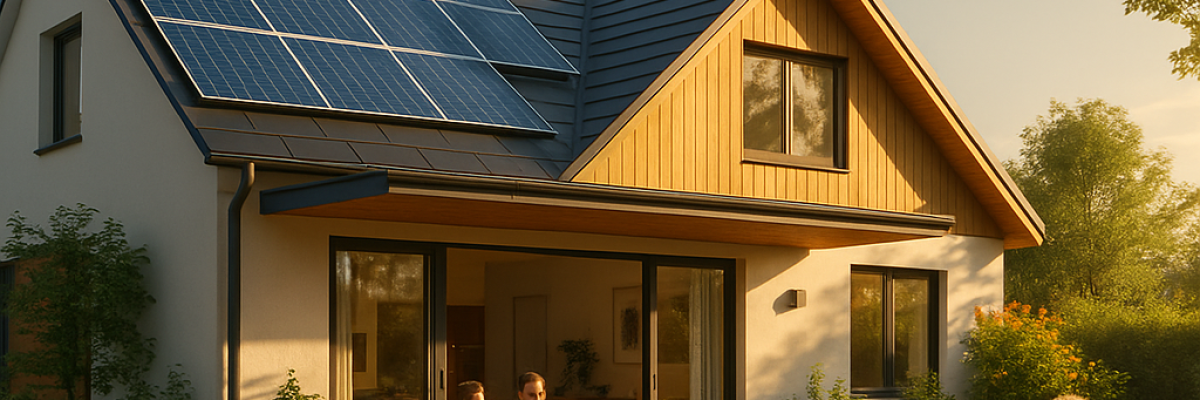
Why Choose Solar Energy in Zimbabwe?
Zimbabwe, known for its stunning landscapes and diverse wildlife, is also graced with abundant sunlight throughout the year. As energy demands increase and traditional power sources become less reliable, many homeowners are turning to solar energy as a sustainable and efficient solution. Choosing solar energy not only helps reduce utility bills but also contributes to environmental sustainability and energy independence.
The Benefits of Solar Power
Investing in solar energy offers numerous benefits, particularly for homeowners in Zimbabwe. Here are some of the most significant advantages:
- Cost Savings: Solar energy can help reduce electricity bills significantly. Once the installation is complete, homeowners can enjoy free energy for decades.
- Energy Independence: With solar panels, you generate your own energy, reducing reliance on the national grid, which is often unstable due to load shedding and other factors.
- Environmental Impact: Solar energy is a clean, renewable resource. By switching to solar, you are reducing your carbon footprint and helping combat climate change.
- Increased Property Value: Homes equipped with solar energy systems typically have higher property values, making them more attractive to potential buyers.
- Low Maintenance Costs: Solar panels require minimal maintenance compared to traditional energy systems. Most systems come with warranties spanning 20-25 years, and any necessary maintenance is simple and inexpensive.
Understanding Solar Photovoltaic (PV) Systems
Solar PV systems convert sunlight directly into electricity using photovoltaic cells. The basic components of a solar PV system include:
- Solar Panels: The most visible component, tasked with capturing sunlight and converting it into electricity.
- Inverter: This device converts the direct current (DC) electricity produced by the solar panels into alternating current (AC) electricity, which is used by most home appliances.
- Batteries: Optional but highly recommended, batteries store solar energy for use when the sun isn't shining, providing you with a reliable energy supply around the clock.
- Mounting System: This secures the solar panels to your roof or the ground, optimizing their exposure to sunlight.
The Process of Going Solar in Zimbabwe
Transitioning to solar energy involves a few key steps. Each phase ensures that the system is tailored to meet your family's energy needs efficiently:
1. Energy Assessment
Before diving into solar installation, conduct an energy audit to understand your energy consumption. This will help determine the size of the solar system you need. Consider factors such as:
- Your average monthly energy usage
- The appliances and systems that consume the most energy
- Future energy needs as your family grows
2. Designing Your Solar System
Once your energy needs are established, it's time to design a solar system that meets those requirements. It's best to work with professional solar installers who understand local conditions and regulations. They will consider:
- The orientation and angle of your roof for maximum sunlight exposure
- Potential shading from trees or buildings
- Your budget and financing options
3. Choosing the Right System
Solar systems come in various configurations, notably grid-tied, off-grid, and hybrid systems. When deciding, consider:
- Grid-Tied Systems: These connect to the national grid and allow for energy net metering, meaning you can sell excess energy back to the grid.
- Off-Grid Systems: Ideal for remote locations, these systems are entirely separate from the grid and rely on battery storage.
- Hybrid Systems: These combine the benefits of both grid-tied and off-grid systems, providing flexibility and reliability.
4. Installation of Solar Panels
Following the planning and design phase, it’s time for the installation process:
- Professional installation ensures safety and efficiency, adhering strictly to Zimbabwean energy regulations.
- Typically, installation takes just a few days, depending on the complexity of the system.
- Once installed, your solar panels will be tested to ensure they’re operating correctly.
5. Monitoring and Maintenance
Regular monitoring is integral to ensuring that your solar system operates at its optimal level. Most modern systems come with monitoring apps that allow homeowners to check performance in real-time. Maintenance needs are minimal, generally including:
- Cleaning panels to remove dirt and debris, particularly during Zimbabwe's dry season.
- Regular inspections to ensure all components are functioning efficiently.
- Monitoring battery health if a battery storage system is included.
Understanding the Costs of Solar Installation
The cost of installing solar panels in Zimbabwe can vary based on factors such as system size, equipment quality, and installation complexities. While the initial investment may seem high, consider:
- The long-term savings on electricity bills, which often encompass a payback period of 5-7 years.
- Government incentives that might be available to encourage solar adoption in your area.
- The potential for local and international financing options to assist with the upfront costs.
Solar Financing Options in Zimbabwe
Investing in solar technology does not necessarily require upfront payment. Various financing options are available to help make solar more accessible for homeowners:
- Cash Purchase: This offers the benefits of ownership without the burden of interest payments.
- Loans: Many financial institutions provide loans specifically tailored for solar energy, allowing homeowners to pay in installments.
- Leases: In this model, you lease the solar panels from a provider, usually paying only for the power produced, without the obligation of ownership.
- Power Purchase Agreements (PPAs): Similar to leases, PPAs allow you to purchase electricity generated by solar panels installed on your home, typically at a lower rate than the retail price of electricity.
Government Policies and Support for Solar Energy
The Zimbabwean government has recognized the importance of renewable energy and has implemented various policies to encourage solar energy adoption. These initiatives include:
- Import duty exemptions on solar equipment to lower costs for homeowners.
- Promotional programs aimed at increasing awareness and education on the benefits of solar energy.
- Collaboration with international organizations to provide funding for solar projects, particularly in rural areas where access to electricity is limited.
Common Myths About Solar Energy in Zimbabwe
Despite the growing popularity of solar energy, many myths still prevail. Here are a few misconceptions debunked:
- Solar Panels Don't Work in Cloudy Weather: While solar panels are most effective in direct sunlight, they can still generate electricity on cloudy days.
- Solar Energy is Too Expensive: While the initial investment can be significant, long-term savings and government incentives make it a cost-effective solution.
- Solar Panels Require Lots of Maintenance: In reality, solar panels are designed for durability and require minimal maintenance.
Testimonies from Zimbabwean Homeowners
Many homeowners across Zimbabwe have experienced the life-changing benefits of switching to solar energy. Here's what some of them have to say:
- Chipo in Harare: "Since installing solar, my electricity bills have dropped dramatically. It's a relief knowing I have a reliable energy source—especially during load shedding."
- Takunda in Bulawayo: "Solar has transformed my home's energy consumption. The installation was straightforward, and I appreciate the minimal maintenance required."
- Thandi from Masvingo: "I always worried about rising energy costs. Switching to solar means financial stability, and I feel good knowing I'm doing my part for the environment."
Conclusion: Take the Leap Towards Energy Independence
Solar energy presents an unparalleled opportunity for homeowners in Zimbabwe to break free from traditional power sources. Beyond the clear economic benefits, solar power fosters energy independence, enhances property value, and contributes to environmental sustainability. With abundant sunshine, a variety of financing options, and evolving government policies supporting renewable energy, now is the perfect time to harness the sun.
Don't hesitate to explore your options and join the growing community of solar-powered homes in Zimbabwe. Embrace this sustainable energy source and let the sun light up your home.