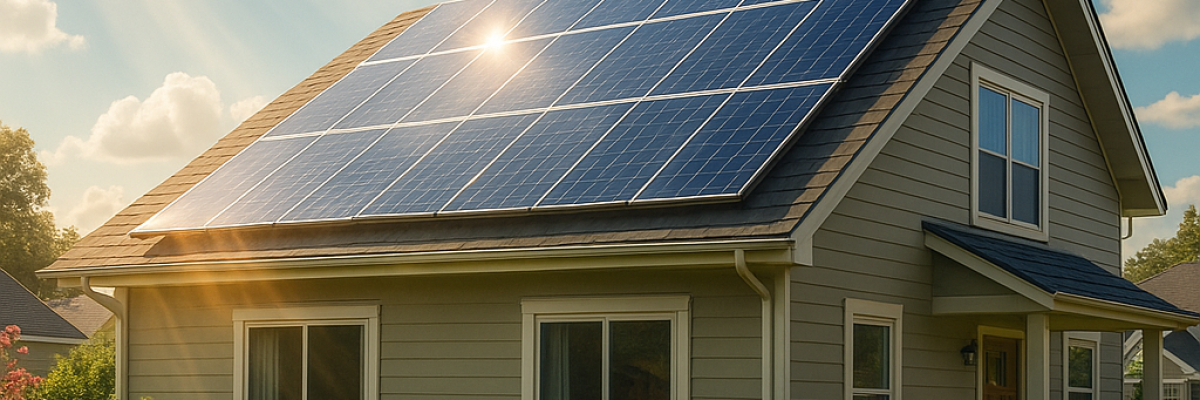
Introduction to Solar Energy
Solar energy has emerged as one of the most reputable and sustainable sources of energy worldwide. Its importance is rising even more in countries like Zimbabwe, where energy shortages and rising costs have become a major concern for households. For many Zimbabweans, embracing solar energy is not just a luxury; it is a necessity. The increasing reliability of solar technology, coupled with its cost-effectiveness, makes it a prime candidate for meeting the energy needs of Zimbabwean homes.
The Energy Crisis in Zimbabwe
The energy crisis in Zimbabwe has been a growing issue, significantly impacting the quality of life for citizens. Frequent power outages, load shedding, and rising electricity costs have prompted many families to seek alternative energy solutions. A reliance on coal and hydroelectric power has limitations due to fluctuating water levels in major rivers and aging power infrastructure, which makes solar energy a viable alternative that can provide consistent power supply to homes.
Why Choose Solar Energy?
Choosing solar energy for your home can lead to significant benefits. Below are some compelling reasons to consider making the switch:
- Cost Savings: After the initial installation, solar energy can drastically reduce or even eliminate electricity bills.
- Environmental Benefits: Solar energy is a clean, sustainable resource that drastically reduces your carbon footprint.
- Energy Independence: Generating your own electricity means you are less affected by electricity price spikes or power shortages.
- Increased Property Value: Homes equipped with solar energy systems are often valued higher and may sell faster than those without.
- Low Maintenance: Solar energy systems require minimal maintenance once installed, making them a hassle-free option.
Understanding Solar Energy Systems
Solar energy systems primarily come in two forms: solar photovoltaic (PV) panels and solar thermal systems. Understanding these systems will help you choose the right solution for your home.
Solar Photovoltaic (PV) Panels
Solar PV panels convert sunlight directly into electricity through the photovoltaic effect. The energy generated can be used immediately or stored in batteries for later use. Below are the components involved in a basic solar PV system:
- Solar Panels: These panels capture sunlight and convert it into electricity.
- Inverter: This component converts the direct current (DC) electricity generated by the panels into alternating current (AC), which is used in your home.
- Battery Storage: Although optional, batteries store excess energy produced during the day for use at night or during cloudy days.
- Charge Controller: This regulates the voltage from the solar panels to ensure that batteries are charged efficiently.
Solar Thermal Systems
Solar thermal systems are primarily used for heating water. These systems take sunlight and turn it into heat energy, which is then used to heat water for residential use. Key components include:
- Collector: This device absorbs sunlight and converts it into heat.
- Storage Tank: The heated water is stored in an insulated tank.
- Circulation Pump: This moves water from the collector to the storage tank and back.
Choosing the Right Solar System for Your Home
When deciding on a solar energy system, several factors should be taken into account:
- Energy Needs: Calculate your household’s energy consumption to determine the necessary system size.
- Space Availability: Evaluate whether you have enough roof space for solar panels or yard space for ground-mounted systems.
- Budget: Consider installation costs and potential incentives or rebates available for solar energy systems.
- Sustainability Goals: Understand how much of your energy needs you want to cover with solar energy to fit your lifestyle.
Initial Investment vs. Long-Term Savings
Investing in solar energy requires an upfront financial commitment that might deter some households. However, the long-term savings greatly outweigh the initial costs. Here’s a breakdown of the economics of solar energy:
- Installation Costs: While prices have significantly dropped in recent years, installation costs can still range from USD 5,000 to USD 20,000, depending on the size and complexity of the system.
- Return on Investment (ROI): The average ROI period for solar energy systems is between 5 to 7 years, after which energy savings accrue continuously.
- Government Incentives: Various government incentives, tax credits, or grants may offset installation costs, making solar more accessible.
- Increased Property Value: Homes with solar energy systems typically have higher resale values, making it a sound investment.
Solar Energy and Zimbabwe’s Climate
Zimbabwe enjoys abundant sunshine throughout the year, making it one of the ideal places to harness solar power. The high solar irradiance means more energy generation potential. Understanding the local climate can help users optimize their solar systems:
- Peak Sun Hours: Zimbabwe averages about 5 to 7 peak sun hours daily, optimizing energy production.
- Seasonal Variations: While it experiences a rainy season, solar systems can still be effective with battery storage.
- Localized Weather Conditions: Making adjustments based on regional weather patterns can help maximize efficiency.
Financing Options for Solar Energy in Zimbabwe
The transition to solar energy does not need to financially burden households. Here are various financing options available in Zimbabwe:
- Bank Loans: Many banks offer loans specifically for renewable energy installation, with favorable repayment terms.
- Leasing Options: Some companies offer leasing plans that allow homeowners to use solar systems without high upfront costs.
- Pay-As-You-Go Models: This method allows users to pay for solar energy systems in installments, ideal for lower-income households.
- Government Subsidies: Search for government grants or subsidies that may be available for solar energy installations.
Choosing a Reliable Solar Installer
Selecting a trustworthy solar installer is crucial for the success of your solar project. Here are tips to find the right installer for your solar needs:
- Check Credentials: Ensure the installer is licensed and has experience in the solar market.
- Look for Reviews: Research customer feedback and testimonials to gauge the company's reputation.
- Request a Detailed Quote: Obtain comprehensive quotes that itemize installation costs, warranties, and maintenance services.
- Inquire About After-Sales Support: A reputable installer should provide maintenance options and customer service post-installation.
Common Myths About Solar Energy
Myths and misconceptions about solar energy can hinder adoption. Here are some common falsehoods debunked:
- Myth 1: Solar energy is too expensive.
- Fact: The cost of solar systems has decreased significantly, and financing options can make them affordable.
- Myth 2: Solar panels don't work in cloudy or rainy conditions.
- Fact: Solar panels can still generate energy even in overcast weather; battery storage enhances reliability.
- Myth 3: Solar energy systems require a lot of maintenance.
- Fact: Solar systems require minimal maintenance, mainly cleaning and occasional checks.
Maintaining Your Solar Energy System
After installing a solar energy system, maintenance is essential for ensuring its longevity and efficiency. Here are some maintenance tips:
- Regular Cleaning: Dust and debris can block sunlight absorption; regular cleaning can maximize efficiency.
- Visual Inspections: Check for damages or unusual wear and tear on panels, wiring, or other components.
- Professional Checkups: Schedule periodic professional inspections to ensure the system operates optimally.
Government Policies Supporting Solar Energy
The Zimbabwean government has recognized the significance of renewable energy and has undertaken various policies to support the adoption of solar energy. This includes incentives for households switching to solar, tax benefits, and support programs aimed at promoting renewable technologies.
Solar Energy Success Stories in Zimbabwe
Numerous households and communities in Zimbabwe have experienced transformative benefits from adopting solar energy. Here’s how solar energy has made a difference:
- Remote Areas: Many rural communities now have access to electricity thanks to off-grid solar solutions.
- Small Businesses: Entrepreneurs have harnessed solar energy to power their businesses, reducing reliance on inconsistent grid power.
- Schools and Clinics: Institutions in off-grid locations now have reliable power sources for lights and medical equipment.
Future Outlook for Solar Energy in Zimbabwe
The future of solar energy in Zimbabwe appears promising. With a growing awareness of renewable energy benefits, along with decreasing costs and supportive policies, more households are likely to adopt solar energy systems. The government continues to promote renewable energy initiatives, which will lead to increased access and affordability, ultimately leading to a more sustainable energy future for Zimbabwe.
Conclusion
The relief of solar energy in Zimbabwean homes cannot be overstated. As Zimbabwe continues to grapple with energy shortages and high electricity costs, solar energy offers a sustainable, cost-effective solution. With its abundant sunlight, the country is positioned to become a leader in solar energy adoption in Africa. Investing in solar panels for your home today not only provides immediate relief but also ensures a greener and more energy-independent future.
By understanding the benefits, costs, financing options, and maintenance tips associated with solar energy, Zimbabweans can make informed decisions that will enhance their quality of life while contributing to a sustainable future.