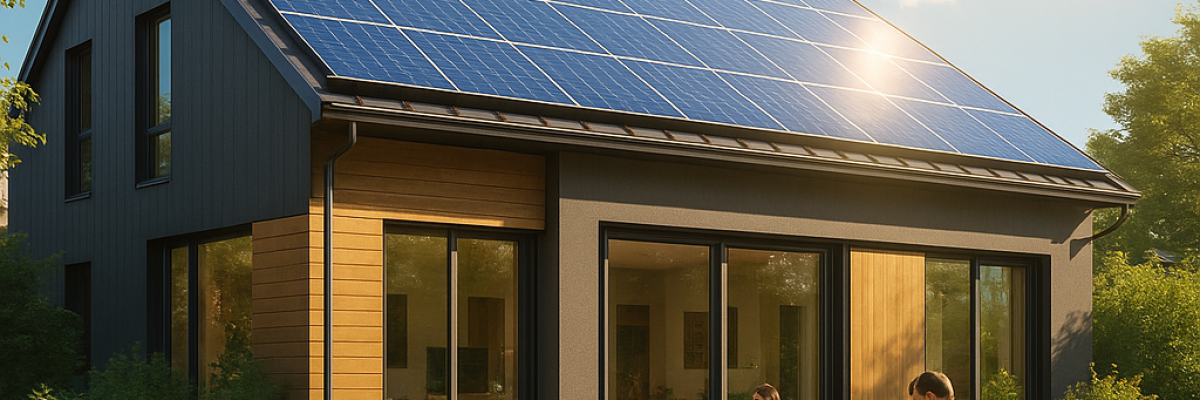
Solar energy has become an essential topic across the globe, and Zimbabwe is no exception. With abundant sunlight and progressive energy policies, harnessing solar energy offers a transformative opportunity for homes. As the government and various organizations advocate for sustainable energy sources, this article delves into how solar energy can profoundly change your Zimbabwe home.
Understanding Solar Energy
Solar energy refers to the energy that comes from the sun, which can be transformed into electricity or heat. This abundant resource is harnessed using solar panels, which capture sunlight and convert it into usable energy. In Zimbabwe, the sun shines brightly throughout the year, making it an ideal candidate for solar energy solutions.
The Benefits of Solar Energy in Zimbabwe
Switching to solar energy can bring numerous advantages to households in Zimbabwe. Here are some of the primary benefits:
- Cost Savings: By using solar energy, homeowners can significantly reduce their electricity bills. The initial investment in solar panels may be substantial, but the long-term savings are substantial. Additionally, with solar energy, you can lock in energy costs and protect yourself from rising electricity prices.
- Energy Independence: With solar power, homes can generate their own energy, reducing reliance on the national grid and minimizing exposure to power outages.
- Environmental Impact: Solar energy is a clean source of energy. Switching to solar can drastically decrease the carbon footprint of a household and contribute to the fight against climate change.
- Job Creation: The growth of the solar energy sector leads to job creation in manufacturing, installation, and maintenance fields.
- Increased Property Value: Homes equipped with solar panels can see an increase in market value. Prospective buyers are often willing to pay a premium for homes that come with sustainable energy resources.
The Solar Potential in Zimbabwe
Zimbabwe is situated in a region that experiences a high number of sunlight hours throughout the year. According to various studies, Zimbabwe has an average of over 3,000 hours of sunshine annually, making it one of the best places for solar energy generation in Africa. This potential can be unlocked to power homes and reduce dependency on fossil fuels.
Types of Solar Technologies Available
There are several types of solar technology that homeowners can consider when opting for solar energy:
- Photovoltaic (PV) Panels: These panels convert sunlight directly into electricity. They are the most common type and can be installed on rooftops or as ground-mounted systems.
- Solar Water Heaters: These systems utilize sunlight to heat water for domestic use. They are particularly beneficial in households that use large amounts of hot water for bathing or cooking.
- Concentrated Solar Power (CSP): CSP systems use mirrors or lenses to concentrate a large area of sunlight, which is then used to generate electricity. While this technology is more commonly used in large utility-scale projects, it is growing in relevance for larger homes as well.
Steps to Install Solar Energy in Your Home
The journey towards installing solar energy in your home can be broken down into several key steps:
- Assess Your Energy Needs: Understand your energy consumption patterns by reviewing past utility bills. This will help in determining the size of the solar system you will need.
- Consult a Professional: Engaging with solar energy providers will give you an insight into the best options suited for your home and location.
- Get Quotes: It is advisable to receive multiple quotations from different solar installers to ensure competitive pricing and services.
- Choose the Right Technology: Based on your energy needs and budget, select between different types of solar technologies available.
- Install the System: Once you’ve chosen a provider and finalized the technology, your solar system will be installed. The installation duration can vary but generally takes a few days.
- Maintenance: Regular maintenance checks should be scheduled to ensure optimal performance and longevity of the solar system.
Financial Considerations
Investing in solar energy is a major financial decision. Here are some factors to consider:
- Initial Costs: The upfront cost of solar panels and installation can be significant. However, various financing options, including loans and leasing arrangements, can help make this investment more feasible.
- Government Incentives: The Zimbabwe government has initiated policies to promote renewable energy, including tariffs and incentives that can further alleviate installation costs.
- Long-Term Savings: The decrease in monthly electricity bills will contribute to a quick return on the initial investment in solar energy systems.
Incentives and Regulations Regarding Solar Energy in Zimbabwe
The Zimbabwean government recognizes the importance of renewable energy and has introduced several incentives and supportive regulations for solar energy adoption:
- Policy Framework: The Zimbabwe National Renewable Energy Policy guides the development of renewable energy solutions and encourages investments in solar energy.
- Tax Incentives: For both residential and commercial solar project installations, there may be tax reductions or exemptions that can ease financial burdens.
- Feed-in Tariffs: Solar energy producers may be compensated for the excess energy sent back to the grid, encouraging homeowners to invest in larger systems.
Common Misconceptions about Solar Energy
With new technology comes common misconceptions. Here are a few that may deter individuals from pursuing solar energy in Zimbabwe:
- Solar Energy is Expensive: While the upfront costs can be high, the long-term savings and potential incentives make it an economical choice over time.
- Solar Panels Don’t Work in Cloudy Weather: Solar panels can still function effectively even during cloudy days as long as there is some sunlight. They often produce energy on rainy or overcast days.
- Solar Energy Requires Too Much Space: Rooftop installations can minimize the land space requirement, making it suitable even for smaller properties.
The Future of Solar Energy in Zimbabwe
As Zimbabwe continues to seek sustainable energy solutions, solar energy plays a crucial role in the country's energy mix. The government’s commitment to increasing renewable energy capacity and decreasing reliance on fossil fuels is expected to drive further investments into the solar sector. Innovations in technology and efficiency improvements will also make solar energy more accessible and affordable for households across the nation.
Personal Stories and Case Studies
Individual accounts of existing solar users can be persuasive for those contemplating the switch to solar energy:
One notable case study features a family in Harare who installed a solar PV system. After initial skepticism, the family reported a 70% decrease in their electricity bills within the first six months of installation. They expressed satisfaction with the sustainability of their energy source and found peace of mind during frequent power outages.
Another inspiring story comes from a rural area where a community group pooled resources to install a solar water heating system. This enabled families to have access to hot water throughout the year and drastically improved hygiene and quality of life. The project attracted the attention of local NGOs and inspired further investments in sustainable energy initiatives.
Conclusion: Embracing Solar Energy for a Brighter Future
Harnessing solar energy presents a pivotal opportunity for households in Zimbabwe. The advantages of cost savings, energy independence, reduced environmental impact, and government incentives create a favorable landscape for adopting this renewable resource. As technologies improve and awareness spreads, more Zimbabwean families can look forward to enjoying the brightness that solar energy brings to their homes, ultimately leading to a more sustainable and prosperous future.