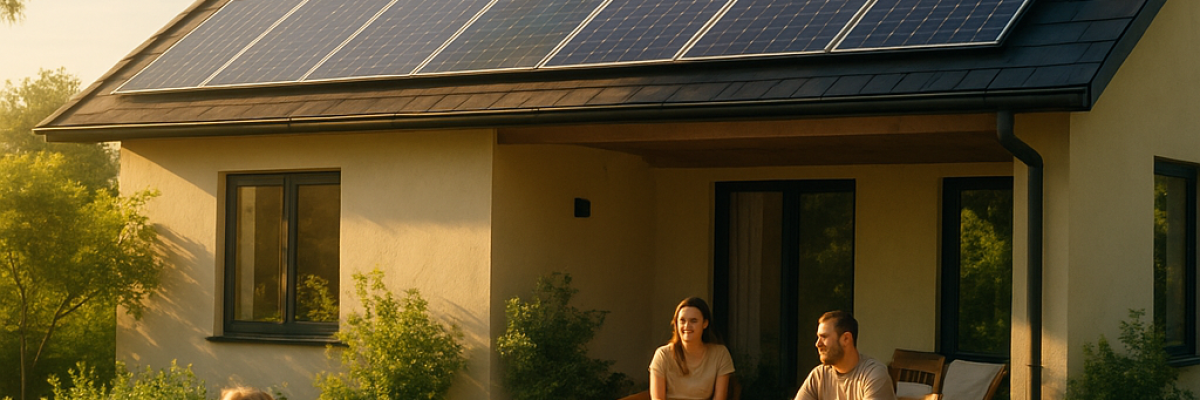
Introduction: The Importance of Solar Energy in Zimbabwe
Zimbabwe, a country rich in natural beauty and resources, faces numerous challenges regarding energy access and sustainability. With frequent power shortages and a reliance on fossil fuels, residents are increasingly turning toward renewable energy solutions. Solar power stands out as an exceptional alternative that not only addresses energy needs but can also foster peace and stability within households. This article explores how solar energy can revolutionize homes in Zimbabwe, bringing both practical and emotional benefits.
The Current Energy Landscape in Zimbabwe
The energy sector in Zimbabwe has been plagued by several issues, including outdated infrastructure, lack of investment, and economic instability. Households often experience power cuts which can last for hours or even days, disrupting daily life and driving up the costs of alternative energy sources like generators and candles.
In urban areas, reliance on the national grid has led to dissatisfaction, while rural communities still struggle for consistent access to electricity. Consequently, this energy unpredictability affects productivity, educational opportunities, and overall quality of life. Here, solar energy presents a viable answer, offering not only a reliable power source but also a way forward toward energy independence.
Understanding Solar Energy: Basics and Benefits
Solar energy is derived from the sun’s rays and can be converted into electricity through solar panels. These installations can be tailored for a wide range of applications, from powering homes to supporting agricultural operations. For Zimbabwean households, the benefits of adopting solar energy are profound.
- Cost Savings: Once installed, solar energy systems can significantly lower electricity bills, as they harness free energy from the sun. Additionally, the long-term savings can be substantial, especially as grid electricity prices continue to rise.
- Environmental Impact: Solar energy is a clean and renewable source, contributing to a reduction in greenhouse gas emissions. Choosing solar helps families participate in the global effort to combat climate change.
- Energy Independence: With solar, households can produce their own electricity, reducing reliance on traditional utility companies and making energy access more predictable.
- Job Creation: The growing solar industry opens opportunities for local employment in areas such as installation, maintenance, and sales, supporting economic growth and community resilience.
How Solar Energy Can Bring Peace to Zimbabwean Homes
The integration of solar energy into households goes beyond mere energy provision; it introduces a host of social and emotional benefits that can lead to a more peaceful living environment. Here are several ways solar energy fosters peace within homes.
Reduction in Stress and Anxiety
Frequent power outages create significant psychological stress for households, often leading to frustration and anxiety about daily routines. With a reliable solar power system, families can alleviate this uncertainty, allowing them to plan their days more effectively. The predictability of solar energy can lead to a more stable life, enhancing overall emotional well-being.
Improving Educational Outcomes
Education is a critical factor in building a peaceful society. Limited access to electricity can severely impact children's ability to study and complete assignments at night. With solar energy, families can ensure adequate lighting for studying after sunset. This access to reliable electricity can bolster academic performance, fostering a sense of hope and aspiration for the future.
Enhancing Security and Safety
Security is often a concern in Zimbabwean neighborhoods, particularly in the absence of consistent lighting and power. Solar lighting can help illuminate homes and surrounding areas, deterring potential criminal activity. Furthermore, solar-powered security systems provide an added layer of protection, ensuring families feel secure in their own homes.
Encouraging Community and Social Cohesion
Solar energy systems can promote community interaction. For instance, neighborhood solar initiatives can foster collaboration among residents, creating a sense of unity and shared purpose. Community solar projects, where individuals pool resources to invest in larger solar installations, can also strengthen bonds and enhance communal ties.
Facilitating Sustainable Livelihoods
For many Zimbabwean families, the transition to solar energy allows for improved livelihoods. Traditional industries such as agriculture can benefit from solar-power solutions like irrigation systems or refrigeration for perishable goods. With stable financial returns, families can invest in education, healthcare, and community projects, fostering a cycle of peace and prosperity.
Choosing the Right Solar Solutions for Your Home
When considering solar energy, Zimbabwean families should evaluate several key components to ensure they select the right system for their needs.
Types of Solar Installations
Solar energy systems can vary significantly in size and type, making it important for households to assess their unique energy requirements. Here are the primary types of solar installations:
- Solar PV Systems: These systems convert sunlight into electricity that can power household appliances and devices.
- Solar Water Heaters: These systems utilize solar energy to heat water for domestic use, improving energy efficiency.
- Off-grid Solar Solutions: Ideal for rural areas, these systems allow for complete independence from the national grid, offering reliability in remote locations.
- Hybrid Systems: Combining solar PV with traditional power sources provides flexibility and security, ensuring households can meet their energy needs at all times.
Assessing Your Household Energy Needs
Before investing in a solar system, households should conduct an energy audit to determine their typical energy consumption. This assessment helps identify the appropriate size and type of solar installation. Factors to consider include:
- Total energy consumption (measured in kWh)
- Appliances and electronics in use
- Overall budget for installation and maintenance
- Access to sunlight and roof orientation
Finding Reputable Solar Providers in Zimbabwe
Working with a credible solar provider is crucial for ensuring a successful installation. Residents should consider the following when selecting a provider:
- Experience and Reputation: Look for companies with a proven track record and positive customer reviews.
- Quality of Equipment: Ensure the provider offers high-quality solar panels and components that come with warranties.
- Local Knowledge: Select providers familiar with the local market and energy regulations.
- After-sales Service: A good provider will offer ongoing support, including maintenance and troubleshooting.
The Economic Benefits of Solar Energy
Investing in solar energy can yield significant economic benefits for Zimbabwean households. A well-implemented solar system can help families save money and increase their financial stability.
Savings on Energy Bills
One of the most immediate impacts of solar energy is the reduction in monthly electricity bills. By generating their own electricity, families can decrease their dependency on the national grid and save money that can be redirected toward other essential needs, like education and healthcare.
Increased Property Value
Homes equipped with solar energy systems often see a rise in property value. As more homeowners choose sustainability, potential buyers are likely to pay a premium for homes with existing solar installations. This can present an excellent opportunity for families planning to sell their homes in the future.
Access to Government Incentives
The Zimbabwean government has recognized the potential of renewable energy and often provides incentives for solar energy adoption. These incentives can include tax breaks and grants to lower the cost of solar installation, further enhancing the economic viability of solar projects for households.
Long-term Sustainability and Resilience
As climate change continues to pose challenges to energy production, investing in solar energy represents a long-term solution for Zimbabwean families. Solar energy systems contribute to resilience against environmental factors, allowing families to maintain energy access even in extreme weather conditions.
The Role of Education and Awareness in Solar Adoption
For solar energy systems to be effectively implemented throughout Zimbabwe, widespread education and awareness are crucial. Residents must be informed about the benefits of solar energy and understand how to successfully transition from traditional power sources.
Community Outreach Programs
Community outreach initiatives can play a vital role in educating residents about solar energy. Workshops and informational sessions can help families understand the technology, costs, and benefits of solar energy, empowering them to make informed decisions.
School Programs and Partnerships
Schools can also serve as platforms for raising awareness about solar energy. By incorporating solar education into the curriculum, students can learn the importance of renewable energy and its application in their lives. Partnerships with solar providers can facilitate practical learning experiences, inspiring the next generation to embrace sustainable solutions.
Success Stories: Empowering Zimbabwean Families with Solar Energy
Numerous success stories highlight the transformative power of solar energy in Zimbabwe. By featuring these testimonials, potential adopters can gain insight into how solar can change lives for the better.
Case Study: Off-Grid Solar Solutions in Rural Zimbabwe
In many rural communities, households have successfully adopted off-grid solar solutions, allowing them to access reliable electricity for the first time. As a result, families have reported improvements in productivity, educational achievements, and overall quality of life. A specific village in Masvingo province showcased how a local solar project has brought electricity to over 200 homes, significantly enhancing the community's development.
A Vision for a Sustainable and Peaceful Zimbabwe
Adopting solar energy in Zimbabwe is not just about harnessing the sun's power; it represents a collective movement towards a sustainable future. By integrating solar energy into their homes, families can build resilience against energy insecurity, enhance their quality of life, and contribute to a more peaceful society.
As solar technology continues to advance and become more affordable, the path toward widespread solar adoption will become more attainable. Communities must come together, share experiences, and support one another in pursuing this sustainable energy source. Together, Zimbabwe can harness the power of the sun to illuminate homes, create opportunities, and promote enduring peace for all its citizens.
Conclusion: The Path Forward
The transition to solar energy may appear daunting, but the benefits to households in Zimbabwe far outweigh the challenges. Through education, community support, and a commitment to sustainable living, families can embrace solar energy's transformative potential. With the sun as an ally, Zimbabwe can work toward a brighter, more peaceful future for all.