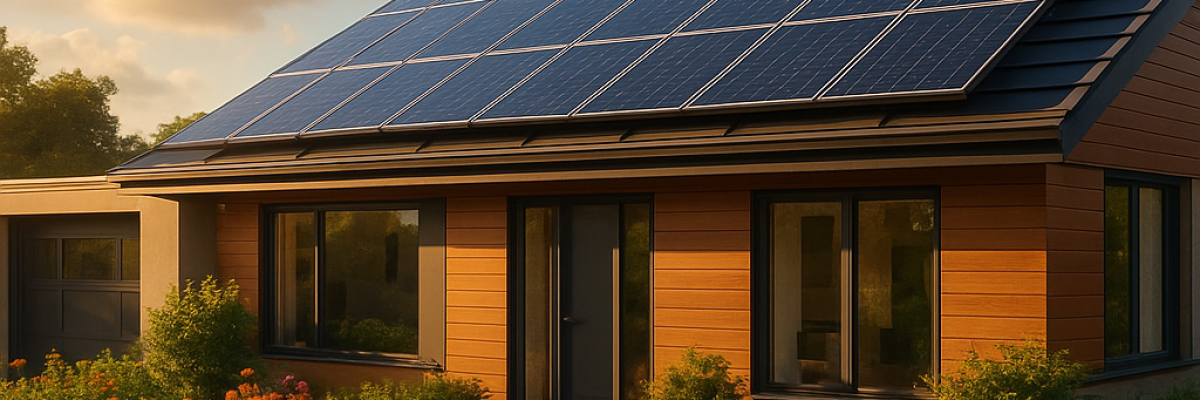
Introduction to Solar Power in Zimbabwe
The sun shines bright in Zimbabwe, offering an abundant and renewable energy source that can transform the lives of its citizens. As the country faces various challenges, including erratic power supply and rising electricity costs, harnessing solar energy emerges as a viable solution for both households and communities. The transition to solar power not only promises environmental benefits but also paves the way for economic growth and energy independence. In this comprehensive guide, we will explore how solar power can unlock a brighter tomorrow for Zimbabwean homes.
The Importance of Solar Energy
Solar energy is crucial in fighting climate change and promoting sustainable energy solutions. Here are some vital reasons why solar power should be at the forefront of Zimbabwe's energy strategy:
- Renewable Resource: Solar energy is renewable; it will not run out as long as the sun shines, making it a sustainable option for energy.
- Reducing Electricity Costs: Solar panels can significantly lower or even eliminate electricity bills, providing financial relief to families.
- Energy Independence: By generating electricity at home, households can reduce their reliance on the national grid, thus mitigating the impacts of power shortages.
- Job Creation: The solar industry has the potential to create numerous jobs in installation, maintenance, and manufacturing.
- Environmental Impact: Solar energy reduces greenhouse gas emissions, contributing to cleaner air and a healthier environment.
Understanding Solar Power Systems
Before diving into the installation process, it's essential to understand how solar power systems operate. Here’s a breakdown of the components:
- Solar Panels: These are made of photovoltaic (PV) cells that convert sunlight into electricity.
- Inverter: This device converts the direct current (DC) generated by solar panels into alternating current (AC), which is used in homes.
- Batteries: Energy storage systems allow you to store excess power for use during the night or cloudy days.
- Mounting System: Proper installation is crucial; the mounting system secures the solar panels on your roof or in your yard.
- Monitoring System: This technology helps track the energy production and consumption, allowing users to optimize usage efficiently.
Benefits of Solar Power for Zimbabwean Homes
Switching to solar power offers numerous advantages specifically tailored to the unique challenges faced by Zimbabwean households:
1. Affordability
The upfront cost of solar panels may seem daunting initially, but the long-term savings can outweigh the initial investment. With decreasing solar technology prices and available financing options, many families can offset the cost of installation through:
- Government Incentives: The Zimbabwean government has been rolling out initiatives to promote renewable energy.
- Tax Breaks: Many countries offer tax incentives for renewable energy investments.
- Microfinancing Options: Local banks and organizations are increasingly providing financing tailored to solar installations.
2. Reliable Energy Source
Zimbabwe has faced severe electricity shortages due to aging infrastructure and reliance on hydropower, which is vulnerable to droughts. Solar power provides a reliable energy source that can power homes year-round, especially in areas where grid-access is limited or non-existent.
3. Low Maintenance Requirements
Once installed, solar panels require very little maintenance. A simple cleaning from dust and debris occasionally and an annual inspection can keep them functioning optimally. Their longevity, typically around 25 years, ensures that families benefit from a long-term solution.
4. Increased Property Value
Homes equipped with solar energy systems are increasingly attractive to buyers, enhancing property value. As sustainability becomes a priority for home purchasers, having a solar setup can be a key selling point.
5. Contribution to Local Economy
Investing in solar power supports local businesses, creates jobs, and stimulates the economy. As more families embrace solar technology, it can encourage start-ups and investments in solar-related fields, creating a positive ripple effect throughout the community.
Challenges of Implementing Solar Power
While there are significant benefits to utilizing solar power in Zimbabwe, some challenges must be acknowledged and addressed:
1. High Initial Costs
Even with decreasing prices, the initial investment for solar systems can still be a barrier for many households. Innovative financing solutions and community projects are essential to overcoming this hurdle.
2. Limited Awareness and Knowledge
Many Zimbabweans may lack information about solar power, its benefits, and its implementation. Education campaigns and workshops can help raise awareness and inform citizens about their options.
3. Infrastructure and Technical Support
A reliable and trained workforce is required for proper installation and maintenance of solar systems. Establishing training programs and enhancing the technical capabilities of local workers are crucial for the widespread adoption of solar technology.
4. Policy and Regulatory Framework
Clear, supportive policies regarding solar energy can significantly influence adoption rates. The government must work towards creating a conducive regulatory environment that encourages the use of solar power and makes it easier to install and connect to the grid.
Installing Solar Power in Your Home
For those interested in making the switch, here are detailed steps to help you navigate the installation process:
1. Assessment of Energy Needs
Start by evaluating your energy consumption. Reviewing past electricity bills can help determine how much energy your household typically uses. This assessment will inform decisions regarding the size and capacity of the solar system you'll need.
2. Site Evaluation
The location of your home plays a critical role in solar energy production. Factors such as roof angle, orientation, shading from nearby trees or buildings, and geographical latitude should be assessed. Solar experts can conduct a site assessment to identify the most efficient placement of solar panels.
3. Choosing the Right System
There are various types of solar energy systems to choose from, including grid-tied, off-grid, and hybrid systems. Based on your energy needs and site evaluation, select a system that best fits your lifestyle:
- Grid-Tied Systems: Connected to the national grid, allowing for net metering where you can sell excess energy back to the grid.
- Off-Grid Systems: Independent from the grid, these systems require battery storage and are perfect for remote areas.
- Hybrid Systems: Combine both grid-tied and off-grid features, providing flexibility and options for energy storage.
4. Selecting a Reliable Installer
Choosing a reputable installer is crucial for ensuring that your solar system is installed correctly and meets local regulations. Look for providers with positive reviews, certifications, and good customer service. Seek out several quotes to ensure competitive pricing.
5. Applying for Permits
Most regions require permits and inspections for solar installations. Your installer should assist you in navigating this bureaucratic landscape. Ensure that all necessary documentation is in order before beginning installation.
6. Installation Process
Once permits are secured, the installation process can begin. Typically, this includes:
- Mounting solar panels on your roof or ground.
- Connecting the panels to the inverter and battery storage (if applicable).
- Establishing wiring connections to your home's electrical system.
- Performing inspections to ensure compliance with safety and installation standards.
7. Monitoring Performance
After installation, it's essential to regularly monitor your solar system's performance. Many systems include monitoring technology that allows users to track energy production and consumption, offering insights into how to maximize efficiency.
Community and Government Initiatives Supporting Solar Power
Various organizations and government initiatives are working to promote solar energy in Zimbabwe, playing a significant role in its integration into everyday life:
1. Renewable Energy Policy Frameworks
The Zimbabwe government has been working on creating policies that support renewable energy use. Initiatives like the Renewable Energy Policy and the Zimbabwe National Renewable Energy Strategy aim to promote solar energy development and reduce dependency on fossil fuels.
2. Local Solar Companies
Several local companies are dedicated to providing affordable solar solutions tailored to Zimbabwean households. These companies often promote community-focused projects, including installations in schools and healthcare facilities.
3. Non-Governmental Organizations (NGOs)
Numerous NGOs working in Zimbabwe emphasize the importance of renewable energy, offering grants, resources, and educational programs to raise awareness about solar energy solutions.
4. Community Solar Projects
Community-based solar projects allow multiple households to invest in collective solar systems, decreasing individual costs while maximizing energy production. These projects foster collaboration and drive down installation costs through shared resources.
The Future of Solar Energy in Zimbabwe
As Zimbabwe continues to grapple with energy challenges, increasing adoption of solar power offers a sustainable path forward. The future of solar energy in the country looks promising, given the ample sunlight available, potential government support, and growing public awareness. By embracing solar technology, Zimbabwe can play a significant role in the global renewable energy landscape.
Conclusion
Unlocking a brighter tomorrow with solar power means taking proactive steps toward an energy-efficient, environmentally friendly future. By investing in solar solutions, Zimbabwean households can reduce dependency on traditional energy sources, save on costs, and contribute to a sustainable future. With the right policies, education, and public support, solar energy can transform Zimbabwe's energy landscape, making it not just a dream for a brighter tomorrow, but a tangible reality today.