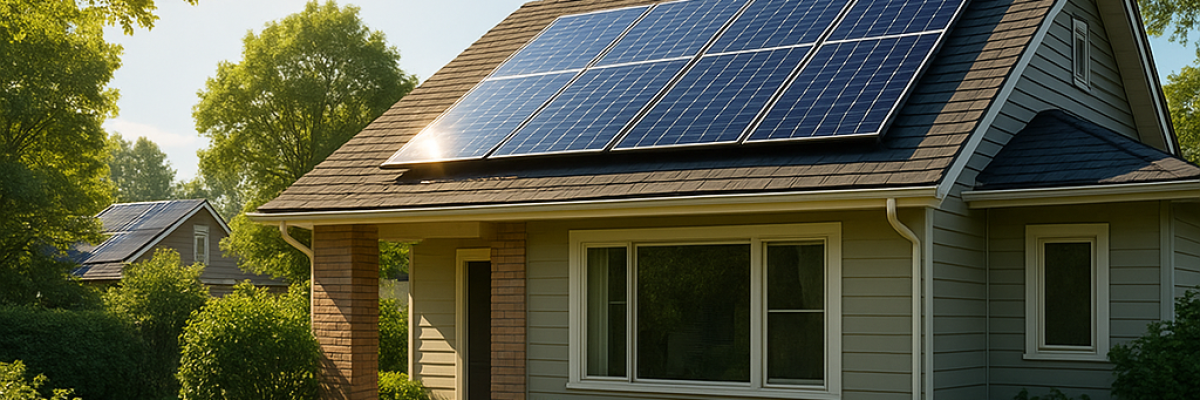
Understanding Solar Energy Systems in Zimbabwe
The adoption of solar energy systems in Zimbabwe has gained momentum as a result of increasing electricity demand and frequent power shortages. Solar systems harness energy from the sun, providing a sustainable and eco-friendly alternative to conventional power sources. Among various solar configurations, a 3.2 kVA solar system is becoming increasingly popular for residential and commercial use. Understanding the cost and components of such a system is crucial for potential buyers looking to invest in solar energy.
What is a 3.2 kVA Solar System?
A 3.2 kVA solar system refers to a solar power setup capable of delivering 3,200 watts of electrical power under standard conditions. This capacity is ideal for small to medium-sized homes or businesses that need to power essential appliances and equipment without relying on the grid. Key components of a solar system include solar panels, an inverter, a charge controller, batteries (if off-grid), and mounting hardware.
Cost Breakdown of a 3.2 kVA Solar System in Zimbabwe
The cost of a 3.2 kVA solar system varies depending on several factors, including the brand and quality of equipment, installation fees, and any additional components needed for effective operation. In Zimbabwe, the pricing landscape can be affected by local market conditions, import duties, and currency fluctuations. Let's break down the potential costs involved:
- Solar Panels: The cost of solar panels can range from $200 to $400 per panel, depending on the brand and efficiency rating. For a 3.2 kVA system, typically around 8 solar panels are needed, resulting in a total cost of approximately $1,600 to $3,200.
- Inverter: The inverter converts the direct current (DC) produced by the solar panels into alternating current (AC) used by household appliances. The price for a suitable inverter can range from $400 to $1,000.
- Charge Controller: If the system includes batteries for storage, a charge controller is essential to manage the energy flow. Prices for this component lie between $100 and $300.
- Batteries: Depending on the desired backup time, battery costs can vary significantly. Popular options include lead-acid and lithium-ion batteries, with prices ranging from $1,000 to $3,000 based on the capacity required.
- Installation Fees: Professional installation is crucial for ensuring system efficacy. Installation costs in Zimbabwe can range from $500 to $1,200 based on the complexity and location.
- Miscellaneous Costs: This includes mounting hardware, wiring, and other accessories, which can add an extra $200 to $600 to the overall budget.
Adding these components together, the total estimated cost for a 3.2 kVA solar system in Zimbabwe can range from $4,000 to $10,000. The final price may vary based on the selection of components, labor costs, and any applicable taxes or tariffs.
Factors Influencing Solar System Cost in Zimbabwe
When considering purchasing a solar system, several factors may affect the final price, including:
- Quality of Components: Higher-quality panels, inverters, and batteries often come with a premium price tag but can increase efficiency and lifespan.
- Installation Complexity: If installation requires special scaffolding, extensive wiring, or specific safety measures, costs may increase.
- Local Market Conditions: Economic factors, including inflation, currency exchange rates, and available subsidies, can affect prices.
- Brand Reputation: Well-known brands often offer better warranties and customer service but may come at a higher price.
- Government Incentives: Subsidies or tax breaks from the Zimbabwean government or NGOs may reduce overall costs for buyers.
Benefits of a 3.2 kVA Solar System in Zimbabwe
Investing in a solar system offers multiple advantages, particularly in a country grappling with power supply challenges. Some benefits include:
- Energy Independence: Solar power allows homeowners to produce their electricity, reducing reliance on the national grid.
- Reduced Energy Bills: By generating your own electricity, you can drastically reduce or even eliminate your monthly utility bills.
- Environmental Benefits: Solar power is a renewable energy source, helping to reduce carbon emissions and combat climate change.
- Increased Property Value: Homes equipped with solar energy systems often have higher resale values.
- Low Maintenance Requirements: Solar systems typically require minimal maintenance, making them a hassle-free energy solution.
Considerations Before Purchasing a Solar System
Before making a purchase, prospective buyers should evaluate multiple factors:
- Energy Needs: Analyze your energy consumption to determine if a 3.2 kVA system meets your requirements.
- Site Assessment: Ensure your property has adequate sunlight exposure and suitable space for installation.
- System Type: Decide between an on-grid system (tied to the national grid) or an off-grid system (with batteries), affecting both cost and functionality.
- Warranty and Support: Verify warranty details for equipment and inquire about post-installation support from installers.
- Financing Options: Explore financing arrangements, such as loans or payment plans, to ease the initial cost burden.
Installation Process of a 3.2 kVA Solar System
The installation of a 3.2 kVA solar system typically follows a systematic process. Here’s a breakdown of the main phases:
- Site Survey: An installer will visit your property to assess solar exposure, roof condition, and wiring requirements.
- System Design: After evaluating the site, a customized solar system design will be drafted, detailing component types and layout.
- Permitting: Necessary permits will be obtained from local authorities before commencing installation.
- Installation: Professionals will install solar panels, the inverter, wiring, and any additional components. This phase may take one to three days, depending on complexity.
- Grid Connection (if applicable): For on-grid systems, connection to the local grid will be established, allowing for excess energy to be fed back into the system.
- Testing and Commissioning: The system will undergo testing to ensure it operates correctly before it is officially commissioned for use.
Maintaining Your 3.2 kVA Solar System
Owning a solar power system involves minimal maintenance compared to traditional energy sources, but some tasks are essential for optimal performance:
- Cleaning Solar Panels: Regular cleaning of solar panels, especially in dusty environments, is necessary to maximize efficiency.
- Inspection of Components: Periodically inspect the inverter, charge controller, and connections for signs of wear or damage.
- Monitoring Energy Production: Use monitoring apps or systems to track energy production and detect any irregularities.
- Professional Maintenance: Schedule an annual inspection with a professional to ensure everything is functioning optimally.
Conclusion
Investing in a 3.2 kVA solar system in Zimbabwe represents a viable solution for dealing with energy challenges and promoting sustainability. Understanding the cost, components, and benefits equips potential buyers to make informed decisions. With the right planning, research, and professional support, solar energy can provide significant returns on investment while contributing positively to the environment.
By analyzing your energy needs, evaluating potential systems, and making an informed purchase, transitioning to solar power can transform energy consumption in Zimbabwe, fostering greater independence and sustainability for the future.