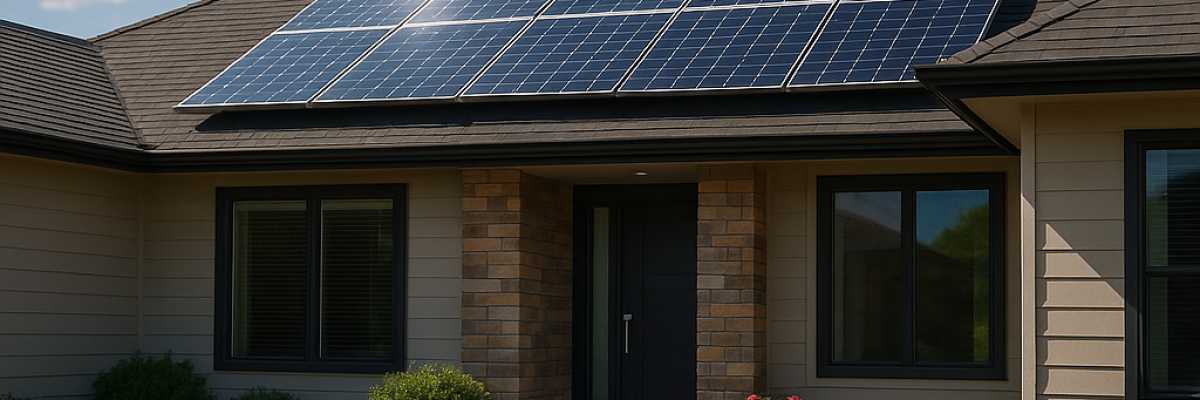
Understanding 10kVA Solar Systems
A 10kVA solar system is a photovoltaic power system that is capable of generating up to 10 kilovolt-amperes of electrical power. Such systems are increasingly popular in many parts of the world due to the rising costs of electricity and growing awareness of sustainable energy sources. In Zimbabwe, solar power systems have become a viable solution for both home and business owners looking to reduce their electricity bills and embrace renewable energy. This article aims to explore the cost of a 10kVA solar system in Zimbabwe, the factors influencing its price, and the benefits it offers.
Components of a 10kVA Solar System
A 10kVA solar system consists of several components that work together to harness solar energy. Understanding these components is important when assessing the overall cost of the system.
- Solar Panels: These are the primary components that convert sunlight into electricity. The number of panels required depends on their wattage and the total energy output desired.
- Inverter: This device converts the direct current (DC) produced by solar panels into alternating current (AC), suitable for household appliances and the electricity grid.
- Mounting Structure: Solar panels need to be securely mounted on rooftops or on the ground. The structure's cost varies depending on the installation site and complexity.
- Batteries (optional): For those who wish to store energy for use when the sun isn’t shining, batteries are essential. This additional component can significantly add to the overall price.
- Wiring and Accessories: Proper installation requires various electrical components, including cables, connectors, and switches.
Market Overview of Solar Systems in Zimbabwe
The implementation of solar energy systems in Zimbabwe has seen significant growth over the past few years. This surge is primarily driven by the ongoing power shortages and the increasing price of grid electricity, along with the government promoting renewable energy initiatives. As more households and businesses opt for solar systems, understanding the current market trends and prices has become essential.
Cost of a 10kVA Solar System in Zimbabwe
The cost of a 10kVA solar system in Zimbabwe can vary significantly due to several factors. As of October 2023, the approximate price range for a complete solar system installation can be broken down into various components:
- Solar Panels: Typically, the cost of solar panels ranges from $0.50 to $1.00 per watt. Therefore, a system with the capacity of 10kVA (approximately 10,000 watts) may require an investment of between $5,000 and $10,000 for the solar panels alone.
- Inverter: The price of inverters can vary based on brand and efficiency. Expect to pay between $1,000 and $2,500 for a good-quality inverter that can handle 10kVA or more.
- Mounting Structure: The cost for mounting can range from $500 to $1,500, depending on the installation method (rooftop or ground mount) and local labor costs.
- Batteries: If battery storage is necessary, the cost can increase the overall system price significantly. Battery prices can range from $5,000 to $15,000, depending on capacity and technology (lead-acid vs. lithium-ion).
- Wiring and Accessories: Wiring and installation accessories might add another $500 to $1,000 to the total cost.
In summary, a complete 10kVA solar system installation in Zimbabwe can typically cost anywhere between $12,000 and $30,000, depending on the components chosen and the complexity of the installation.
Factors Influencing the Cost
Several factors can influence the price of a 10kVA solar system in Zimbabwe. Understanding these factors can help determine the most cost-efficient solutions:
- Quality of Components: Higher efficiency panels and inverters often come at a premium. Investing in quality components can yield better long-term savings.
- Local Installation Costs: Labor costs for installation can vary significantly based on the region and the contractor selected. Competitive bidding can help lower these costs.
- System Design: Custom-designed systems that meet specific energy needs might have different pricing compared to off-the-shelf solutions.
- Government Incentives and Rebates: Any current incentives or rebates offered by the Zimbabwean government can impact the net cost for the consumer.
- Exchange Rates: Fluctuations in currency exchange rates can affect the import cost of solar components, which might be sourced internationally.
Financing Options for Solar Systems
Understanding the cost of a solar system is crucial, but financing is often the most challenging part for many potential buyers. Here's an overview of potential financing options that residents and businesses in Zimbabwe can consider:
- Upfront Payment: Many customers choose to pay for their solar installation outright to avoid interest payments and financing fees.
- Installment Payments: Some solar companies offer payment plans that allow customers to pay in installments over a specified period.
- Bank Loans: Traditional bank loans specifically for solar installations can be a viable option, although interest rates and terms vary significantly.
- Microfinancing: Local microfinance institutions provide loans for smaller systems, making it easier for families and small businesses to access solar energy.
- Leasing or Power Purchase Agreements (PPAs): Leasing arrangements let customers use solar systems for a fixed monthly fee without the need for any upfront installation costs, while PPAs allow customers to pay only for the power generated.
Return on Investment (ROI)
Investing in a solar system is often looked at through the lens of ROI, which is the measure of profitability. In Zimbabwe, the ROI for solar systems varies depending on several factors:
- Electricity Rates: Users can offset high electricity expenses by generating their own power, leading to significant savings over time. The higher the cost of grid electricity, the quicker the ROI.
- Government Tariffs: Selling excess power back to the grid at favorable rates can enhance ROI. Understanding local tariffs is crucial.
- System Lifespan: Solar panels typically have a lifespan of 25 years or more, allowing significant savings over the long term.
- Maintenance Costs: While solar systems require relatively low maintenance, understanding potential costs associated with maintenance can help calculate true ROI.
In general, many users can expect around a 5 to 10-year payback period on their investment, making solar energy not only an environmentally sustainable choice but also a financially sound one.
Benefits of Installing a 10kVA Solar System
Choosing to install a 10kVA solar system comes with a host of benefits that stretch beyond mere cost savings:
- Energy Independence: Solar systems allow users to generate their own electricity, reducing reliance on the grid and protecting against fluctuating electricity costs.
- Environmental Impact: By harnessing solar energy, users contribute to reducing greenhouse gas emissions and combating climate change.
- Increased Property Value: Solar installations can increase the resale value of a property, making it more attractive to potential buyers.
- Job Creation: The growth of the solar industry in Zimbabwe supports job creation within the local economy.
- Low Maintenance Costs: Once installed, solar systems require minimal maintenance, offering a hassle-free energy solution for years.
Choosing the Right Installer
Finding a reliable installer is crucial in ensuring the longevity and efficiency of your solar system. When selecting a solar contractor in Zimbabwe, consider the following:
- Experience: Look for a contractor with a proven track record in solar installations, particularly with systems of your desired capacity.
- Certification: Ensure that the contractor is certified to install solar systems and complies with local and national regulations.
- Customer Reviews: Read testimonials and reviews from previous customers to gauge their satisfaction and the company’s reputation.
- Warranty Offers: A good installer should offer warranties on both the solar panels and installation, ensuring quality service and product reliability.
- Comprehensive Consultation: The installer should provide an in-depth consultation to assess your specific energy needs and recommend tailored solutions.
Conclusion
Investing in a 10kVA solar system in Zimbabwe presents a valuable opportunity for both individuals and businesses seeking to gain energy independence and reduce their electricity costs. With prices ranging from $12,000 to $30,000, various financing options make solar energy accessible to a broader audience. Understanding the benefits, components, and potential return on investment is crucial for anyone considering this transition. As Zimbabwe moves towards a renewable energy future, solar systems will undoubtedly play a vital role in enhancing energy security and driving economic growth.