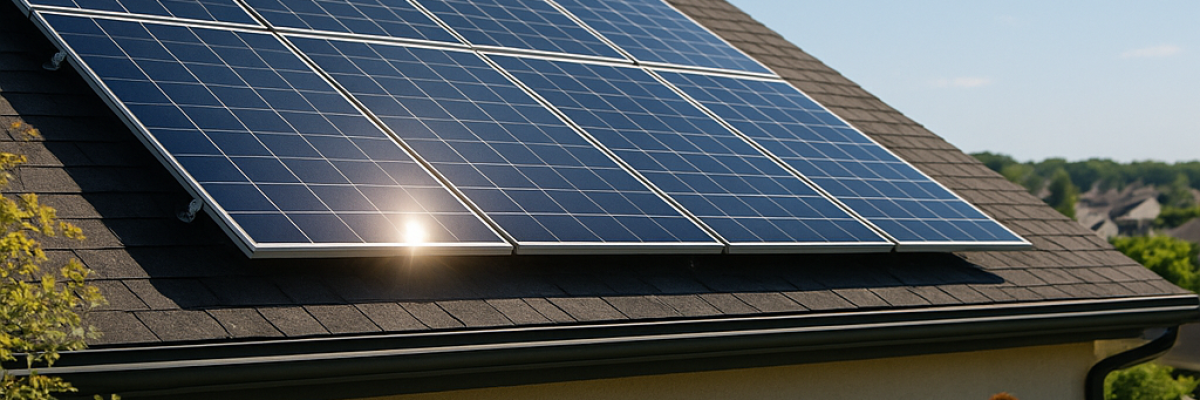
Introduction to 5kW Solar Systems
As the world shifts towards sustainable energy, solar power remains at the forefront. For homeowners looking to harness the sun's energy, a 5kW solar system offers an appealing combination of affordability, effectiveness, and efficiency. But the crucial question arises: how much does a 5kW solar system cost? In this article, we'll break down the costs, factors influencing pricing, potential savings, financial incentives, and much more, to give you a comprehensive understanding of investing in a 5kW solar system.
Understanding Solar Power and System Size
Before diving into the pricing specifics, it’s vital to understand what a 5kW solar system entails. The "5kW" designation refers to the system’s peak power output capacity. On a sunny day, a fully functional 5kW system could generate approximately 20-25 kilowatt-hours (kWh) of electricity per day, depending on factors like location, weather, and roof angle. This amount could cover a significant portion of the daily energy needs of an average household, especially in areas with high electricity rates.
Average Cost of a 5kW Solar System
The cost of a 5kW solar system varies widely based on several factors, including location, panel type, installation costs, and local incentives. As of October 2023, the average cost of a 5kW solar system in the United States ranges from $12,000 to $16,000 before applying any tax credits or incentives. This price includes equipment such as solar panels, inverters, mounting hardware, and installation.
Factors Influencing the Cost of a 5kW Solar System
Several factors can influence the price of a 5kW solar installation. Understanding these factors can provide clarity on why there can be significant variations in pricing.
- Quality of solar panels: Solar panels come in various grades. High-efficiency panels may cost more upfront but can generate more power over their lifespan.
- Inverter cost: The inverter converts solar energy into usable electricity. There are different types of inverters, and their pricing can vary dramatically.
- Installation complexity: The cost of installation can depend on your roof type, angle, and structural integrity. More complex installations often lead to higher labor costs.
- Geographical location: Different states and regions have different solar incentives, labor costs, and market demands that can impact overall pricing.
- Local regulations: Permitting fees and building codes in your area can also influence installation costs.
Components of a 5kW Solar System
In order to understand the costs associated with a 5kW solar system, it helps to know what components are necessary for the system to function effectively. Here are the key components:
- Solar Panels: These are the heart of the solar system, converting sunlight into electricity. A standard 5kW system typically consists of about 15 to 20 panels, depending on the panel’s wattage.
- Inverter: The inverter is crucial for converting the direct current (DC) generated by the solar panels into alternating current (AC), which is used in homes.
- Mounting Equipment: These are brackets and structures that secure the solar panels to your roof or ground.
- Electrical Wiring: This includes all the necessary wiring to connect the panels, inverter, and your home’s electrical system.
- Monitoring System: While not always included, a monitoring system can help you keep track of your energy production and system performance.
Financing Options for a 5kW Solar System
Purchasing a solar system can be a significant investment, and various financing options can help make it more accessible. Here are some of the most common ways homeowners finance a 5kW solar system:
- Outright Purchase: Paying for the system in full presents the most cost-effective solution in the long run, allowing owners to benefit from maximum savings on electricity bills.
- Solar Loans: Many financial institutions offer solar loans, which allow homeowners to pay for their solar system over time, often at competitive interest rates.
- Leasing: In a solar lease agreement, homeowners pay a monthly fee to use the solar system rather than purchasing it outright. This option often requires little to no upfront investment but may offer less long-term savings.
- Power Purchase Agreements (PPAs): With a PPA, a third party installs the solar system on your property. Homeowners pay for the electricity generated by the system at a fixed rate, often lower than local utility rates.
Incentives and Tax Credits for Solar Systems
Government incentives can significantly reduce the overall cost of installing a 5kW solar system. In the United States, the most notable program is the Federal Solar Investment Tax Credit (ITC), which allows homeowners to deduct a percentage of their solar installation costs from their federal taxes. As of 2023, the credit stands at 30% of the total installation cost.
In addition to federal tax credits, many states also offer their incentives, which can include:
- State Tax Credits: These can vary from state to state, providing additional savings on solar installations.
- Rebates: Some utility companies or state programs offer cash rebates for installing solar systems, which can reduce the upfront costs.
- Net Metering: This system allows homeowners to sell excess power back to the grid, providing savings on electricity bills.
Long-Term Savings of a 5kW Solar System
Although the upfront cost of a 5kW solar system can be substantial, the long-term savings on energy bills can compensate for this investment. Here’s how:
- Reduction in Electric Bills: The primary reason homeowners invest in solar power is the potential to significantly lower monthly electricity costs. Depending on energy consumption, homeowners could save thousands over the lifespan of their system.
- Increased Property Value: A solar system can increase the resale value of a home. Many buyers look favorably on properties with existing solar installations, as they foresee lower energy costs.
- Protection Against Rising Utility Rates: By generating your own electricity, homeowners can insulate themselves against rising energy costs, providing financial predictability.
Return on Investment (ROI) for a 5kW Solar System
Calculating the return on investment for a 5kW solar system depends on many variables, including installation costs, local electricity rates, and financial incentives. On average, homeowners can expect an ROI of 20% to 30%, depending on their location and usage patterns. This calculation typically looks at:
- System Costs: Consider the overall installation cost, including equipment, installation fees, and any applicable taxes and permits.
- Energy Savings: Estimate the savings on electricity bills based on your energy consumption and local utility rates.
- Incentives: Factor in any tax credits, rebates, and financial incentives that can materially impact the total cost.
- System Lifespan: Most solar systems come with warranties ranging from 20 to 25 years, providing a long range for potential savings and ROI calculations.
Common Misconceptions About Solar Costs
As with any technology, misconceptions about solar power and its costs can cloud judgment. Here are some common myths and the truths behind them:
- Myth: Solar Is Too Expensive. Reality: While the upfront cost can be high, government incentives and long-term savings on utility bills often make solar energy a worthwhile investment.
- Myth: Solar Panels Require a Lot of Maintenance. Reality: Solar panels are relatively low maintenance and generally require only periodic cleaning and inspections.
- Myth: Solar Systems Are Ineffective in Cloudy Areas. Reality: Even in less sunny regions, solar panels can still generate a considerable amount of energy. Modern solar technology is designed for high efficiency, even in suboptimal conditions.
- Myth: Solar Panels Damage Your Roof. Reality: When installed professionally, solar panels can enhance a roof's integrity and lifespan.
The Installation Process for a 5kW Solar System
When deciding to install a 5kW solar system, understanding the installation process is vital. Here is a general outline of the steps involved:
- Consultation: A solar provider will typically conduct an assessment of your energy needs and available roof space.
- Site Evaluation: This involves inspecting the property to determine the best orientation and angle for the solar panels.
- Design Proposal: Based on the assessment and evaluation, a detailed proposal outlining the system layout and estimated costs will be provided.
- Permitting and Paperwork: The installation team will handle the necessary permits and paperwork required for installation.
- Installation: Professional installers will place the solar panels, connect the inverter, and set up the electrical components.
- Inspection: After installation, local authorities may require an inspection to ensure everything meets safety and code standards.
- Activation: Once approved, the solar system is activated, allowing homeowners to start generating their own electricity.
Conclusion: Is a 5kW Solar System Worth It?
Investing in a 5kW solar system presents an excellent opportunity for homeowners to reduce their electricity costs, support sustainable energy, and benefit from a potential increase in property value. While the initial costs can seem daunting, the long-term savings and federal or state incentives make this a worthwhile consideration. By understanding the numerous factors at play—including system components, financing options, and potential savings—homeowners can make informed decisions about transitioning to solar energy.
As the technology improves and installation becomes more affordable, now may be the best time to explore solar power options. If you’re considering making the switch to solar, consult with local experts, assess your energy needs, and explore the available incentives in your area to take the first step toward a greener future.