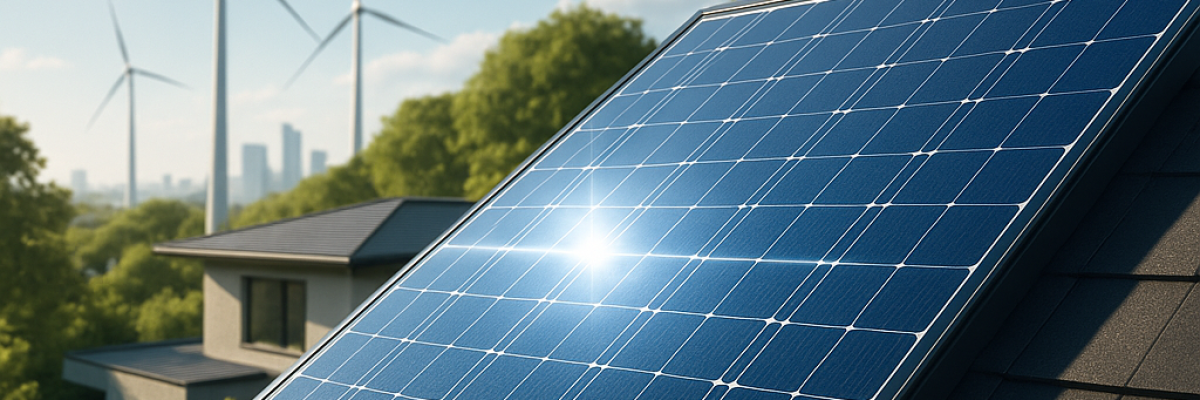
Introduction to Solar Panel Efficiency
Solar panels have become a cornerstone in the quest for sustainable energy. With technological advancements and increasing demands for renewable energy sources, the efficiency of solar panels has been a critical area of focus. Solar panel efficiency essentially refers to the percentage of sunlight that can be converted into usable electricity. Higher efficiency translates to more energy production from the same amount of sunlight, which is essential for maximizing output, reducing costs, and minimizing space requirements. But the question remains: Is a 90% efficient solar panel possible?
Understanding Solar Panel Efficiency
Solar panel efficiency is influenced by several factors, including the type of materials used, the design of the panel, and how effectively it can convert sunlight into electricity. The most common types of solar panels in use today are monocrystalline, polycrystalline, and thin-film panels. Each type has its unique advantages and limitations regarding efficiency.
- Monocrystalline Solar Panels: These panels are made of a single crystal structure, leading to higher efficiency rates, often ranging from 15% to 22%. Their uniformity, longevity, and space-saving capabilities make them popular in residential and commercial setups.
- Polycrystalline Solar Panels: Comprising multiple crystal structures, these panels are typically less expensive but have lower efficiency rates, often between 13% and 17%. They are a cost-effective option for large-scale installations.
- Thin-Film Solar Panels: These panels are made by depositing a thin layer of photovoltaic material onto a substrate. Their efficiency rates are generally lower (around 10% to 12%), but they offer flexibility and lower production costs.
Current State of Solar Panel Efficiency
As of October 2023, commercial solar panels currently boast efficiencies of around 25%, with research cells reaching laboratory efficiencies of over 47%. The research and development in the field focus on improving the efficiency of converting solar energy into electricity. However, achieving 90% efficiency remains a significant challenge.
Theoretical Maximum Efficiency
To comprehend whether a 90% efficiency solar panel is feasible, it’s essential to explore the concept of the Shockley-Queisser limit, which is a theoretical maximum efficiency for a single-junction solar cell. This limit states that the maximum efficiency for a solar cell that uses a single semiconductor material can only reach about 33%. This limitation is primarily due to the energy lost through heat, reflection, and the inability to convert all the wavelength spectra of sunlight into electricity.
However, advancements in technology have led to the exploration of multi-junction solar cells. These cells contain several layers of different semiconductor materials, each tuned to absorb different wavelengths of light, effectively circumventing the Shockley-Queisser limit to some extent.
Multi-junction Solar Cells: Pushing the Boundaries
Multi-junction solar cells have demonstrated efficiencies exceeding 45% in laboratory settings. The layering allows for more thorough absorption of the solar spectrum, comparatively increasing energy conversion rates. Numerous research institutions and companies are actively working to develop commercially viable multi-junction cells; however, their production costs remain a hurdle for widespread adoption.
Technological Innovations on the Horizon
Innovations in materials science and engineering techniques are promising to enhance solar panel efficiencies significantly. Some of the exciting advancements include:
- Quantum Dot Solar Cells: These next-generation solar cells utilize nanoparticles to harness sunlight more effectively. Their potential for high efficiency stems from their ability to absorb a broader range of light wavelengths.
- Perovskite Solar Cells: These materials have gained significant attention due to their ease of fabrication and potential for high efficiency. Research indicates that perovskite cells could reach efficiencies of over 30%, but stability and longevity remain concerns.
- Bifacial Solar Panels: These panels can capture sunlight from both the front and back, potentially increasing energy production by up to 30%. This design leverages reflected light from surrounding surfaces.
The Role of Concentrated Photovoltaics (CPV)
Concentrated photovoltaics (CPV) utilize mirrors or lenses to focus sunlight onto a small area of highly efficient solar cells. By concentrating sunlight significantly, CPV systems can achieve higher efficiency rates, potentially reaching values closer to and even surpassing the current laboratory limits. However, CPV systems face their challenges, including the need for tracking systems that follow the sun's path and the requirement for specific geographic locations.
Limitations and Challenges
Despite the potential advancements, numerous limitations impede the goal of achieving 90% efficiency. These include:
- Cost of Materials: Many high-efficiency materials are prohibitively expensive to produce, limiting their widespread application in commercial solar panels.
- Manufacturing Challenges: New technologies often come with complex manufacturing processes that can increase production costs and complexity.
- Stability and Longevity: Innovative materials such as perovskites display promising efficiencies but often suffer from stability issues that can lead to degradation over time.
- Environmental Impact: The production of new photovoltaic materials can also have environmental implications that must be accounted for in their lifecycle analysis.
Cost-Benefit Analysis of High-Efficiency Solar Panels
When considering the push toward high-efficiency solar panels, it's crucial to weigh the benefits against the costs. While a 90% efficient solar panel sounds ideal, it’s essential to analyze the following key points:
- Energy Output vs. Return on Investment: Higher efficiency can lead to increased energy output and reduced need for space. However, the cost of achieving this efficiency may not always yield a good return on investment.
- Economic Viability: The goal of solar technology is not just efficiency but also affordability. For many consumers, pricing remains a pivotal factor, often overshadowing the advantages of slightly more efficient solar panels.
- Environmental Considerations: The ecological footprint and potential toxicity of new materials also necessitate a careful evaluation of whether innovations deliver a sustainable outcome for both energy production and the environment.
Future of Solar Technology: What Lies Ahead?
Though the scientific community is buzzing with excitement over future innovations, the pathway toward achieving a 90% efficiency solar panel involves significant hurdles. Ongoing research in various areas, such as the integration of advanced materials, enhanced designs, and optimization techniques, sets the stage for potential breakthroughs. Additionally:
- Government Policies: Supportive policies and incentives for research and development in solar technology can hasten advancements in efficiency.
- International Collaboration: Collaborative efforts between researchers, industries, and governments across the globe can accelerate the adoption of breakthroughs and innovations.
- Public Awareness and Demand: A higher awareness and demand for renewable energy solutions can lead to increased funding for innovative technologies and stimulate research.
Conclusion: The Feasibility of 90% Solar Efficiency
While the pursuit of a 90% efficient solar panel remains an intriguing prospect, it also presents notable challenges and complications. The current technological landscape suggests that pushing towards higher efficiency is possible, particularly through new materials and innovative designs. However, the culmination of these efforts may continue to dwell in the realm of theoretical exploration for the foreseeable future.
Undoubtedly, the advancements in multi-junction solar cells, perovskite technology, and quantum dot applications harbor immense potential, but practical and economic viability cannot be overlooked. Ultimately, while striving for extreme efficiencies, it is vital to maintain a balance between innovation, affordability, and environmental impacts, ensuring that advancements in solar technology lead us closer to a sustainable energy future without compromising accessibility and ecological health.