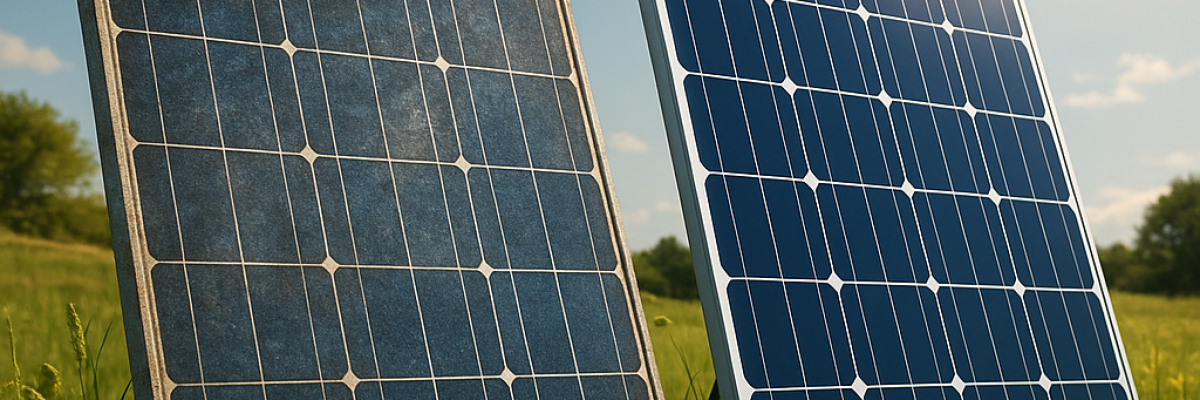
Introduction to Solar Panel Lifespan
When investing in solar panels, one of the most critical factors to consider is their lifespan. Understanding how long solar panels last not only helps consumers make informed decisions but also impacts long-term savings, environmental sustainability, and the overall feasibility of solar energy systems. Typically, solar panels are designed to last for several decades, with various studies indicating a lifespan of 25 to 30 years or more. However, several elements can influence this lifespan, including manufacturing quality, installation, maintenance, and environmental conditions.
Average Lifespan of Solar Panels
The lifespan of solar panels generally ranges between 25 and 30 years. However, their efficiency may decrease over time. Most manufacturers provide warranties for 25 years, which guarantees that the panels will produce at least 80% of their original output. After this point, the efficiency drops gradually. It’s crucial to understand that while the panels may still function after the warranty period, their energy production may not be as optimal.
Factors Influencing Solar Panel Lifespan
Several factors can affect how long solar panels last, including:
- Quality of Materials: High-quality solar panels made from superior materials typically have a longer lifespan. Cheaper panels may break down more quickly.
- Installation Quality: Proper installation plays a significant role in longevity. Poor installation can lead to damage or premature wear.
- Environmental Conditions: Panels in harsh climates, such as areas with extreme temperatures or severe weather, may have shorter lifespans.
- Maintenance: Regular maintenance can enhance a panel's lifespan. Neglecting basic upkeep can lead to a decreased efficiency.
- Type of Solar Panels: There are several types of solar panels, such as monocrystalline, polycrystalline, and thin-film, each with different lifespans.
Types of Solar Panels and Their Lifespans
Understanding the types of solar panels available and their respective lifespans is crucial for potential buyers. Here is a breakdown of the most common types:
Monocrystalline Solar Panels
Monocrystalline solar panels are known for their high efficiency and performance. They are made from a single crystal structure, which allows them to perform better in low-light conditions and warmer temperatures.
Lifespan: Typically 25-30 years with a gradual efficiency loss over time. Most manufacturers offer warranties that guarantee at least 80% output after 25 years.
Polycrystalline Solar Panels
Polycrystalline solar panels are made from multiple crystal structures, resulting in a less efficient production process compared to monocrystalline panels. While they may be less efficient, they are usually more affordable.
Lifespan: Generally, polycrystalline panels have a lifespan of about 20-25 years, with similar warranty guarantees.
Thin-Film Solar Panels
Thin-film solar panels are made by depositing a thin layer of photovoltaic material onto a substrate. They are lightweight and flexible but typically less efficient than crystalline panels.
Lifespan: Thin-film solar panels usually last around 10-20 years. They are less durable and typically have 10-15 year warranties.
Degradation Rates of Solar Panels
Although solar panels are built to last, their efficiency degrades over time. The degradation rate refers to the percentage of power output that diminishes each year. Most high-quality solar panels degrade at a rate of about 0.5% to 1% per year.
- First Year: Solar panels often experience the most significant decrease in output during the first year, usually around 3% to 4%.
- Subsequent Years: After the first year, the degradation rate stabilizes to approximately 0.5% to 1% annually.
Warranty and Its Importance
Most solar panel manufacturers offer warranties ranging from 10 to 25 years. Understanding these warranties is essential for assessing the value and reliability of a solar panel system. These warranties usually come in two types:
- Product Warranty: Covers defects in materials and workmanship.
- Performance Warranty: Guarantees a minimum level of power output over a specified time.
It’s imperative to review warranty details and conditions before making a purchase, as they vary significantly across manufacturers. A comprehensive warranty indicates a manufacturer's confidence in their products and can affect the decision-making process.
Maintenance Practices to Extend Lifespan
Though solar panels are relatively low-maintenance, taking proactive steps can help extend their lifespan:
- Regular Cleaning: Debris, dust, and dirt can accumulate on panels and reduce efficiency. Cleaning your panels periodically helps maximize output.
- Inspect for Damage: Regularly inspect your solar panels for cracks, discoloration, or other issues that may affect performance.
- Professional Maintenance: Consider hiring professionals for annual inspections and cleaning to ensure optimal performance.
How Environmental Factors Affect Lifespan
Your solar panels may be directly influenced by the environment in which they’re installed. Different conditions can yield varied impacts:
- Humidity and Moisture: High humidity levels can lead to corrosion and mold on some components.
- Temperature Extremes: Extreme heat can cause overheating and decrease efficiency, while excessively cold weather can lead to material contraction.
- Wind and Hail: Heavy winds and hail can physically damage solar panels if they aren't appropriately mounted and protected.
Comparing Solar Panel Lifespan to Other Technologies
When considering the lifespan of solar panels, it may be beneficial to compare them to other energy sources and technologies:
- Fossil Fuels: Oil and natural gas reserves are finite and have a considerably shorter operational window, along with environmental concerns from extraction and consumption.
- Nuclear Energy: Nuclear power plants can operate for 30-60 years but involve complex decommissioning processes and safety concerns.
- Wind Turbines: On average, wind turbines have a lifespan of 20-25 years, similar to solar panels but require ongoing maintenance and upgrades.
Recycling Solar Panels
As solar panels approach the end of their lifespan, recycling options are important to consider. Most components of solar panels can be repurposed or recycled, including:
- Silicon: The silicone material used in solar cells can be reused to manufacture new panels.
- Glass: The glass is often recycled and can be turned into new glass products.
- Metals: Valuable metals and conductors can be extracted and repurposed.
Recycling old solar panels not only helps reduce waste but also contributes to sustainability by repurposing materials into new products.
Future Projections for Solar Panel Lifespan
The future of solar technology is promising, with continual advancements aimed at enhancing the efficiency and lifespan of solar panels. Researchers and manufacturers are continuously working to develop materials and designs that offer:
- Increased Efficiency: Improved photovoltaic technologies aim to capture more sunlight.
- Durability: Newer materials are being tested for better resistance to environmental conditions.
- Bifacial Panels: These can capture sunlight from both sides, increasing energy output.
Conclusion
In summary, solar panels have an average lifespan of 25-30 years, although this can vary depending on factors such as quality, installation, and environmental conditions. Regular maintenance and understanding of degradation rates are essential for maximizing energy output. With proper care, solar panels not only offer long-term energy savings but also contribute positively to the environment. As technology advances, we can expect further improvements in both the longevity and efficiency of solar energy solutions, making it an increasingly viable option for energy needs in the future.