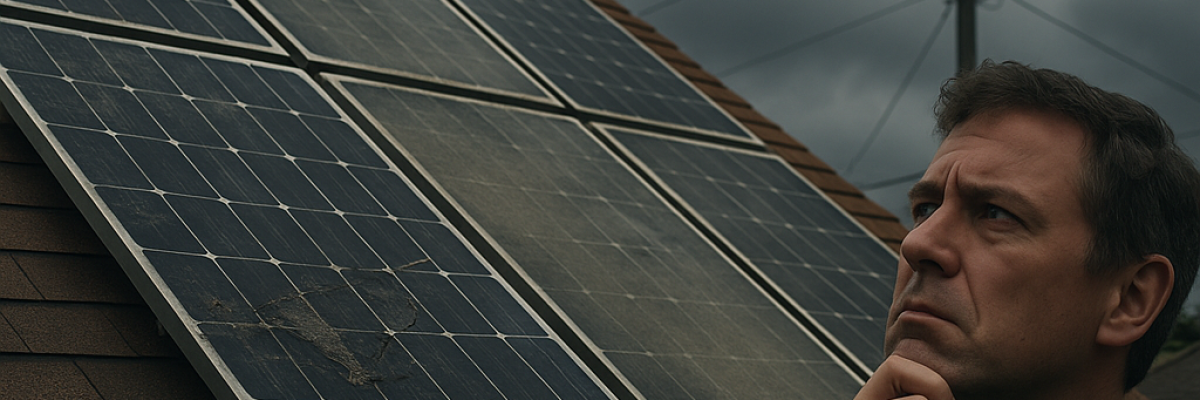
Introduction to Solar Panels
Solar panels have gained immense popularity over the past few decades due to their potential for cost savings and environmental benefits. However, as with any technology, there are disadvantages that potential users must consider before making the switch to solar energy. This article explores the various drawbacks associated with solar panels, providing a comprehensive understanding that can aid in making informed decisions.
High Initial Costs
One of the most significant disadvantages of solar panels is the high initial investment required for installation. The costs can vary widely based on factors such as:
- Type of solar panel
- Installation complexity
- Location and orientation of the property
While prices have decreased significantly over the years, a complete residential solar array, including solar panels and the required inverters, can still cost between $15,000 and $30,000 before tax credits and rebates. Such a hefty upfront cost can be prohibitive for many homeowners, especially considering that the return on investment (ROI) can take several years to realize.
Space Requirements
Solar panels require significant space to generate substantial amounts of energy. A typical residential system needs around 200-400 square feet of roof space to install the necessary number of solar panels. This requirement can pose problems for:
- Smaller houses
- Houses with roofs that are shaded by trees or other buildings
- Properties that do not have suitable roof angles
For homeowners who lack adequate roof space, additional land may be required for ground-mounted solar systems, which can further complicate the installation process and increase costs.
Intermittent Energy Production
Solar panels produce electricity only when exposed to sunlight, leading to intermittent energy generation. This inconsistency means:
- Energy production is significantly reduced on cloudy or rainy days.
- Solar panels generate limited power during nighttime hours.
As a result, homeowners must often rely on grid energy or battery storage systems to ensure a consistent power supply. The integration of storage systems adds yet another layer of expense and complexity to a solar energy setup.
Environmental Impact of Solar Panel Production
While solar energy is often touted as a green alternative to fossil fuels, the production of solar panels is not without environmental consequences. The manufacturing process involves:
- Mining and refining raw materials (such as silicon, silver, and cadmium)
- Utilizing considerable energy, often sourced from fossil fuels
- Generating waste and emissions
These factors contribute to greenhouse gas emissions and other environmental impacts, raising concerns among environmentally conscious consumers about the overall sustainability of solar energy systems.
Degradation Over Time
Solar panels are not immune to wear and tear. Over time, they can degrade in performance, typically losing about 0.5% to 1% efficiency per year. This degradation can affect energy generation in the following ways:
- Older panels may not produce as much energy as anticipated.
- Homeowners may face lower savings on electricity bills.
Most manufacturers offer warranties ranging from 20 to 25 years, but the gradual decline in efficiency can still impact long-term performance.
Weather Vulnerability
Solar panels are generally durable; however, they can be vulnerable to severe weather conditions. Key concerns include:
- Damage from hail or heavy winds
- Ice accumulation that can block sunlight
- Corrosion in harsh weather environments
Such weather-related issues can lead to costly repairs and interruptions in energy production, and homeowners may need to invest additional funds in specialized insurance to protect their investment in solar panels.
Location-Specific Limitations
Solar panel efficiency is highly location-dependent. Key factors include:
- Sunlight availability (e.g., latitude, average weather conditions)
- Local regulations and incentives
For instance, homeowners living in regions with frequent overcast skies may struggle to generate sufficient energy to justify the costs of installation. Additionally, local policies might not favor or support solar installations, complicating the overall process.
Maintenance and Cleaning Costs
While solar panels generally require minimal maintenance, cleaning and upkeep are necessary to ensure optimal performance. Potential costs include:
- Hiring professionals to clean panels regularly, particularly in dusty or pollen-heavy environments
- Inspecting components to ensure proper functionality
In areas with heavy rainfall, natural cleaning may suffice; however, homes situated in drier areas may need to invest in cleaning services, adding to the long-term costs of ownership.
Grid Dependency Challenges
Many solar panel systems are designed to connect back to the traditional power grid. While this integration offers benefits, it also presents challenges, such as:
- Potential changes in energy rates
- Dependence on the grid during non-sunny hours
Moreover, if the grid experiences outages, homeowners with traditional solar setups may not have backup power unless they invest in battery storage solutions, which can be expensive.
Regulatory and Policy Issues
The solar energy sector is subject to extensive regulations and policies that can fluctuate, affecting the affordability and practicality of solar installations. Some key issues include:
- Changes in local/state/federal incentives, tax credits, and rebates
- Restrictions on installation types (e.g., homeowner association rules)
- Interconnection fees imposed by utilities to connect to the grid
Such uncertainties can deter potential users, complicating long-term financial projections and the ability to plan for future energy needs.
Technological Advancements and Market Saturation
The field of solar technology is rapidly evolving. While this innovation leads to better efficiency and lower costs, it can also create challenges for existing solar adopters:
- Rapidly evolving technologies may make older panels obsolete.
- Market saturation can drive prices down, affecting ROI for earlier adopters.
Homeowners may feel pressure to upgrade to maintain competitiveness and efficiency, leading to additional expenses.
Long-Term Commitment
Investing in solar panels is a long-term commitment, often spanning decades. For some homeowners, this can feel limiting when faced with changing personal circumstances, such as moving, financial hardship, or changing energy needs. Considerations include:
- The challenge of selling a home with solar panels
- Potential for decreased property value in certain markets
Such issues may discourage potential buyers or lead to complicated negotiations during property transactions.
Conclusion
While solar panels offer several benefits, including renewable energy generation and potential long-term savings, it is crucial to consider their disadvantages. An understanding of the high initial investments, space requirements, intermittent energy production, and environmental factors can provide clarity for potential users. By weighing these drawbacks with the advantages, individuals can make informed choices regarding solar energy adoption. Whether you are considering a complete solar setup or evaluating its impact on your energy needs, thorough research is key in navigating the complexities of solar technology.