Introduction
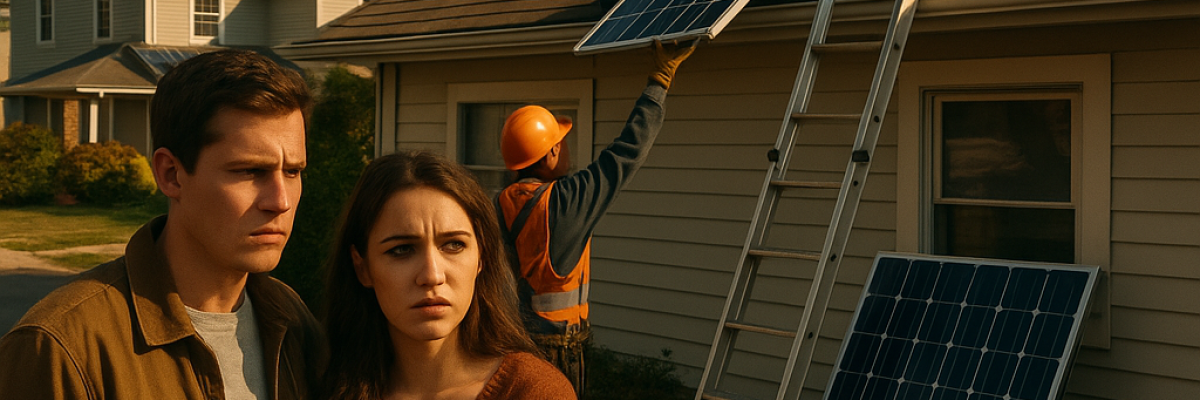
Solar panels have been hailed as a revolutionary solution to our energy needs, providing a clean, renewable source of power that reduces dependency on fossil fuels. However, a surprising trend has emerged: more homeowners are choosing to get rid of their solar panels. This article explores the multifaceted reasons behind this decision, examining factors such as performance issues, financial implications, changing energy needs, and societal perspectives.
Understanding Solar Panel Technology
Before diving into the reasons people are removing solar panels, it's essential to understand how these systems work. Solar panels convert sunlight into electricity through photovoltaic cells. One of the significant advantages of solar technology is its potential for long-term savings on electricity bills and its environmental benefits. Yet, like any technology, solar panels can encounter issues that may lead homeowners to reconsider their investment.
Performance Issues
Performance problems with solar panels can significantly impact a homeowner's decision to remove them. Common issues include:
- Decreased Efficiency: Over time, solar panels can lose their efficiency due to wear and tear, shading, or dirt accumulation. This degradation can lead to lower energy production than anticipated, prompting some homeowners to seek alternatives.
- Failure of Components: Solar systems consist of multiple components, including inverters and batteries, that can fail. If these components require costly repairs or replacements, homeowners may weigh the options of fixing the system versus removing it entirely.
- Inadequate Energy Output: If the initial calculations for energy needs were inaccurate, homeowners may find their solar systems do not generate enough energy, forcing them to rely on traditional energy sources.
Financial Considerations
Investing in solar panels often represents a significant financial commitment. However, unexpected costs can lead homeowners to remove their systems:
- High Maintenance Costs: Over time, maintenance requirements can add up. If a homeowner has to frequently repair or maintain their solar panels, they may find it financially burdensome, particularly if the system is older.
- Unforeseen Installation Costs: Poor installation can lead to a variety of problems, resulting in additional costs for correction or replacement. Many homeowners may not have the funds available for these unexpected expenses.
- Failing to Save on Electricity Bills: If a solar panel system does not generate the savings expected, homeowners may feel disillusioned, leading them to consider alternatives that may provide better financial returns.
Changing Energy Needs
As family dynamics and personal situations change, so too do energy needs. Below are several reasons why evolving circumstances lead to the removal of solar panels:
- Moving to a Different Home: Individuals who relocate to different properties may not see the value in transferring solar panels, especially if the new property is not suited for solar power.
- Increased Energy Consumption: As families grow or life circumstances change, energy consumption patterns may shift dramatically. Households may find that their solar systems no longer meet their rising energy needs.
- Transitioning to Alternative Energy Sources: Some homeowners are opting for newer technologies, such as home battery storage systems or community solar programs, which may lead them to remove their existing solar panels.
Regulatory and Policy Changes
Government policies and incentives can profoundly influence the solar energy landscape. However, changes in regulations can lead to frustrations, thus spurring the removal of solar panels:
- Reduction in Tax Credits: Incentives like the federal solar tax credit have been crucial for many homeowners. If such credits are reduced or eliminated, the financial feasibility of maintaining a solar system may come into question.
- Changes to Net Metering Policies: If local utilities change net metering laws, homeowners may find they receive less compensation for excess energy produced, reducing the overall benefits of their solar investment.
- Increased Fees or Charges: New fees imposed by utility companies for grid access can impact the economics of solar panel ownership, making it less attractive for current users.
Contractual Obligations and Leasing Arrangements
The business models surrounding solar installations, such as leasing or power purchase agreements (PPAs), can complicate whether homeowners keep or remove their panels. Issues here include:
- Long-Term Contracts: Many homeowners enter leases with multi-year obligations. If they wish to move or upgrade their system, they can find themselves trapped in a contract that complicates removal.
- Unfavorable Lease Terms: Some leasing agreements become burdensome, – particularly if early termination fees are high – making it easier for owners to choose removal instead of working it out.
Societal and Environmental Perspectives
Public perception of solar energy can impact individual decisions. As society evolves, attitudes toward solar energy can change, leading to the following influences:
- Cultural Shifts: In some communities, interest in solar energy may wane, leading homeowners to feel isolated or unsupported in their solar investments, prompting them to remove the panels.
- Changing Environmental Priorities: As greater awareness of climate change and other urgent environmental issues emerge, some individuals may prioritize other forms of renewable energy that they feel provide better solutions.
Technological Advancements
As the solar energy landscape progresses, new technologies continually enter the market. Some homeowners may choose to remove their existing systems in favor of newer alternatives:
- Advancements in Solar Technology: Newer solar technologies may offer better efficiency, lighter materials, and improved aesthetics, enticing homeowners to upgrade rather than maintain their older systems.
- Battery Storage Solutions: Innovations in battery storage enable homeowners to store energy generated during peak sunlight hours for later use, which can sometimes provide more benefits than traditional solar setups.
The Emotional Factor
Many homeowners bond with their energy systems emotionally. However, disappointment can lead to a significant emotional burden:
- Frustration with Poor Performance: Homeowners who feel betrayed by their systems after investment may experience resentment, making it easier to remove solar panels entirely.
- Social Pressure: In some communities, pressure from neighbors or local advocates can sway opinions about solar energy, influencing individual decisions more emotionally than rationally.
The Sale of Homes with Solar Panels
When it comes time to sell a home, solar panels can complicate the selling process. Factors to consider include:
- Perceived Value by Buyers: Some potential buyers may view existing solar panels negatively, potentially seeing them as a burden or maintenance concern.
- Complications in Financing: If a solar system is under a lease or PPA, buyers may hesitate due to the complexities involved with assuming contracts or payments, leading sellers to remove panels before the sale.
Conclusion
While solar panels were once viewed as a step toward a sustainable future, several factors can lead homeowners to remove them. Performance issues, financial considerations, regulatory changes, changing energy needs, societal perceptions, and emotional factors all contribute to this growing trend. As technology advances and energy demands evolve, the future of solar energy will require adaptable strategies to ensure its longevity and relevance. Homeowners must carefully assess their individual situations to determine the best course of action regarding solar energy. Understanding these complexities makes it clear that the decision to keep or remove solar panels is not simply black and white, but rather a nuanced consideration driven by multiple interrelated factors.