Understanding Solar Panels and Their Importance
Solar panels are an essential component of renewable energy systems, converting sunlight into usable electricity. As more homeowners and businesses shift toward sustainable energy solutions, it’s important to understand how solar panels function and the signs indicating when they might be failing. Recognizing early signs of failure can help in avoiding costly repairs or replacements, and ultimately contribute to the efficiency of your solar energy system.
How Solar Panels Work
Solar panels are made up of photovoltaic (PV) cells that convert sunlight into electricity. When sunlight strikes the surface of these cells, it excites electrons, generating direct current (DC) electricity. An inverter then converts this DC electricity into alternating current (AC), suitable for household use. The efficiency and longevity of solar panels can be influenced by several factors, including installation quality, weather conditions, and maintenance.
Key Components of Solar Panels
To better understand the signs of failing solar panels, it’s crucial to familiarize yourself with their key components:
- Photovoltaic Cells: The heart of solar panels, these cells capture and convert sunlight to electricity.
- Inverter: Converts DC electricity produced by the solar panels into AC electricity for use in homes.
- Modules: Groups of photovoltaic cells wired together to increase energy output.
- Mounting Systems: Structure that holds the panels in place on rooftops or ground installations.
- Wiring: Conveys electricity from the panels to the inverter and ultimately to the electrical grid or battery storage.
Signs of Deterioration in Solar Panels
Like any other technology, solar panels can experience wear and tear over time. Early detection of problems is critical for ensuring longevity and efficiency. Here are the main signs that your solar panels may be failing:
1. Visible Damage and Physical Wear
One of the most straightforward signs of failing solar panels is visible damage. This includes:
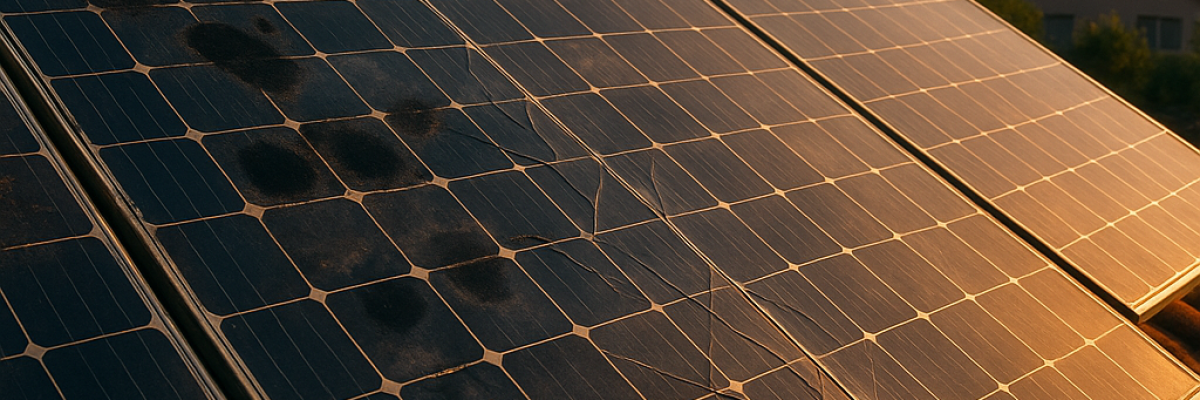
- Cracks: Look for cracks or spider web patterns on the glass surface of the panels. This can lead to reduced efficiency and increased risk of electrical faults.
- Discoloration: Panels should be uniform in color. Any dark spots or discoloration may indicate damage or degradation of the photovoltaic cells.
- Loose Connections: Physical wear can also cause loose connections in the wiring or mounting system. This can lead to performance inefficiencies.
2. Reduced Energy Output
A significant drop in energy production is one of the first red flags that something may be wrong with your solar panels. If your panels were generating a consistent level of energy before, a sudden decrease should prompt immediate investigation. This could be due to:
- Dirty or obstructed panels reducing sunlight absorption.
- Internal faults within the photovoltaic cells.
- Inverter malfunctions affecting energy conversion.
3. Frequent Inverter Errors
The inverter plays a critical role in your solar system's overall efficiency. Modern inverters often come equipped with diagnostic tools, which can signal when issues arise. Here are some common inverter error signs:
- Error Messages: Pay attention to any error codes displayed. Refer to the user manual for possible meanings and solutions.
- Flashing Lights: Many inverters have LED indicators. A consistent red or flashing light may indicate a failure.
4. Hot Spots and Laminating Issues
Hot spots occur when certain areas of a solar panel become significantly hotter than others due to issues like cell mismatch or shading. This can cause long-term damage to the panel’s structure. Signs of this include:
- Hot Surface: If you notice that some sections of the panel feel considerably warmer when touched, this could be a hot spot indicating malfunction.
- Lamination Delamination: Check for bubbling or peeling in the protective layers of the panel; this erosion can reduce performance significantly.
5. Poor Weather Resistance
Solar panels are designed to withstand various weather conditions, but severe weather or poor installation may expose them to risks. If you notice the following, it may signal issues:
- Water Accumulation: Puddles forming on the surface can indicate improper installation leading to water retention and potential damage.
- Snow Accumulation: Panels should shed snow easily. Continuous snow cover may indicate that the angle or mounting is not optimal.
6. Reduced Warranty Claims and Lifespan
Most solar panels come with warranties ranging from 20 to 25 years. If you find yourself needing more repairs or replacements than anticipated before the warranty period is over, this may hint at failing panels. Important aspects to consider include:
- Shortened Lifespan: If panels begin to fail well before the end of their warranty, it could indicate poor manufacturing quality or inferior materials.
- Frequent Repairs: Increased spending on repairs can be a sign that the solar panels are nearing the end of their operational life.
7. Changes in Energy Utility Bills
With successful solar panel installations, homeowners often notice a significant reduction in their energy bills. If there’s a sudden and unexplained increase in energy consumption compared to your solar production, it could be a sign that your panels are failing. Points to consider include:
- Monitoring Solar Output: Regularly track your system’s output compared to historical data to identify trends that might indicate failures.
- Increased Utility Charges: A rise in your monthly energy fee can indicate that your system isn’t producing sufficient energy.
8. Unusual Sounds from the Inverter
While inverters generally operate quietly, certain sounds can indicate problems. If you hear strange noises coming from the inverter, investigate further. Look for:
- Buzzing or Humming: These noises can be normal, but they may also indicate electrical issues if they are excessive or inconsistent.
- Popping or Clicking: Unusual clicking or popping noises may indicate a significant fault that could require professional inspection.
9. Reduced Aesthetics of the Solar Panels
Solar panels should enhance your property’s value while functioning efficiently. If panels begin to show signs of wear, it may affect both performance and curb appeal:
- Fading or Staining: Panels should maintain their original coating. If they appear discolored or stained, this can affect their efficiency.
- Uneven Alignment: If panels are tilted, crooked, or poorly aligned, it may signal mounting issues that could potentially affect their performance.
10. Professional System Monitoring and Maintenance
For optimal performance, regular professional monitoring and maintenance of your solar panels are essential. Certified technicians can spot issues before they escalate. Regular maintenance should include:
- Annual Inspections: Professional checks can ensure that components are functioning properly and identify any potential failures.
- Cleaning Services: Keeping panels clean enhances their efficiency. Hire professionals for thorough cleaning, especially in dusty regions.
Conclusion: Taking Action When Signs Appear
Understanding the signs of failing solar panels is crucial for ensuring your solar power system years of efficient energy production. Regular checks combined with professional oversight will significantly reduce the risk of unexpected failures. If you detect any of the signs outlined above, it’s essential to take action promptly. Whether it means contacting the installation company for service or exploring replacement options, addressing issues early can save you time, money, and inconvenience.
By staying informed and proactive, you can enjoy the many benefits of solar energy while ensuring your investment continues to generate renewable energy efficiently and reliably.