Introduction
Solar panels are a significant investment for both residential and commercial property owners, providing renewable energy and reducing electricity bills. Like any investment, ensuring their longevity and efficiency is essential. One key aspect that often comes into question is whether cleaning solar panels can extend their life. In this article, we will explore the effects of maintenance, specifically cleaning, on the lifespan of solar panels, and discuss the best practices for keeping them in optimal condition.
The Importance of Solar Panel Maintenance
Solar panels are designed to withstand various environmental conditions, but they still require some level of maintenance to operate efficiently. Dust, dirt, bird droppings, and other debris can accumulate on the surface of solar panels, blocking sunlight from reaching the solar cells. This can lead to a decrease in energy production, warranting regular inspections and maintenance. Understanding how maintenance impacts solar panel longevity is critical for maximizing your investment.
How Cleaning Affects Solar Panel Efficiency
Efficiency is one of the most critical factors in determining the output of solar panels. Few people are aware that a clean solar panel can produce significantly more energy compared to one that is dirty. Studies have shown that dirty solar panels can lose anywhere from 10% to 25% of their efficiency, depending on the type and amount of dirt accumulation. This loss in production, combined with the panel's lifespan, leads to an essential question: does cleaning panels also impact their longevity?
Factors Influencing Solar Panel Lifespan
The lifespan of solar panels typically hovers around 25-30 years, but several factors influence this longevity, including:
- Quality of Materials: Higher-quality solar panels often use more durable materials, resulting in a longer lifespan.
- Environment: Panels exposed to harsh weather conditions, such as hail, high winds, or frequent snow, may have a shorter lifespan.
- Installation: Proper installation can prevent issues such as water damage and overheating.
- Maintenance: Regular upkeep, including cleaning, can have a significant impact on both efficiency and longevity.
How Cleaning Contributes to Longevity
Regular cleaning can indirectly contribute to the lifespan of solar panels for several reasons:
- Avoids Physical Damage: Accumulated debris can cause physical damage over time, especially if organic materials (like leaves or bird droppings) start to decompose and become corrosive. Regular cleaning helps prevent this.
- Prevents Micro-Cracking: Operating at reduced efficiency due to dirt can lead to overheating, potentially causing micro-cracks in the solar cells. Clean panels maintain optimal temperatures and performance.
- Eliminates Risk of Pests: Accumulations can attract pests, which can introduce additional wear and cause damage to wiring and other components.
How Often Should You Clean Your Solar Panels?
The frequency of cleaning solar panels depends on several factors, including:
- Environmental Factors: Areas with high dust, pollution, or vegetation may require more frequent cleaning.
- Weather Conditions: Regions with heavy rain may experience natural washing of panels, reducing the need for manual cleaning.
- Location: Solar panels in urban areas might accumulate dirt and debris at a different rate than those in rural settings.
On average, cleaning every 6 months to a year is advisable, though assessments based on your unique conditions may dictate a more personalized approach.
How to Clean Solar Panels Safely
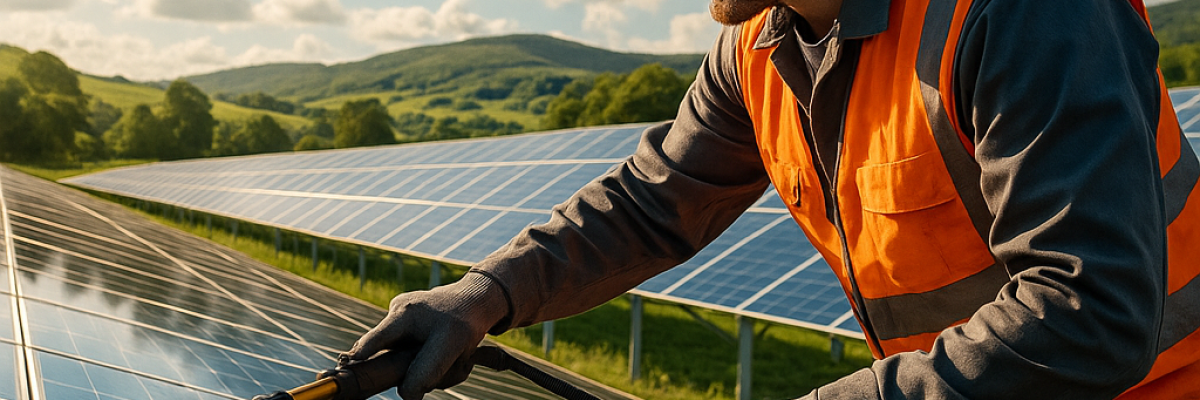
Cleaning solar panels is crucial for efficiency but requires a careful approach to avoid damage. Here are methods and best practices for effective cleaning:
- Choose the Right Time: Clean your panels early in the morning or late in the afternoon when they are cooler, preventing thermal shock.
- Use Soft Equipment: A soft brush or a sponge is preferable. Avoid abrasive materials that can scratch the surface.
- Use Deionized Water: Using distilled or deionized water can prevent mineral deposits from forming after cleaning.
- Avoid Using a Pressure Washer: High-pressure water can damage the panels or their components.
- Consider Professional Help: If you're unsure or uncomfortable cleaning them yourself, hiring a professional service is often best.
Understanding the Risk of Over-Cleaning
While keeping solar panels clean is essential for efficiency and longevity, over-cleaning can pose risks. Excessive handling can lead to physical wear and tear on the panels, causing scratches or even damage to the underlying components. It's essential to strike a balance and follow a maintenance schedule tailored to your specific environment and conditions.
Cost Considerations for Cleaning Solar Panels
The cost of cleaning solar panels varies widely based on several factors, including:
- Size of the System: Larger systems naturally incur higher costs.
- Type of Cleaning Service: Professional services can range from reasonable to expensive, depending on the service’s reputation and effectiveness.
- Frequency of Cleaning: The more often you clean your panels, the more you'll spend over time.
When considering cleaning, factor in the potential energy savings and the impact on overall efficiency, making the investment worthwhile.
Environmental Impact of Solar Panel Cleaning
As with any maintenance task, considering the environmental consequences is essential. Using eco-friendly cleaning products and methods can help minimize your impact. When possible, utilize rainwater or deionized water for cleaning, and avoid harsh chemicals that may leach into the ground.
Beyond Cleaning: Other Maintenance Practices
While cleaning is critical, solar panel maintenance extends beyond this task. Consider the following additional maintenance practices:
- Regular Inspections: Inspecting panels for physical damage, loose wiring, or other issues is important for long-term maintenance.
- Monitoring Performance: Regularly check your energy output to spot any drops in production that could indicate issues.
- Checking Inverters: Ensure your inverter is functioning correctly, as it plays a crucial role in converting and managing the power produced.
What the Experts Say: Industry Opinions
Experts largely agree that maintaining clean solar panels contributes positively to their performance and lifespan. Various studies back this, revealing that dirty panels can reduce energy output significantly. Solar industry professionals often emphasize routine cleaning as an effective method of ensuring panels operate at peak efficiency over their lifespan.
Conclusion
In summary, cleaning solar panels plays a vital role in maintaining their efficiency and potentially extending their lifespan. While solar panels are designed for durability, they are not entirely immune to the effects of dirt, debris, and environmental factors. Regular cleaning, when done safely and appropriately, is an investment in the longevity and efficiency of your solar installation. By adopting a comprehensive maintenance schedule that includes cleaning, inspections, and monitoring, property owners can ensure that their solar panels provide reliable cutting-edge energy for years to come.