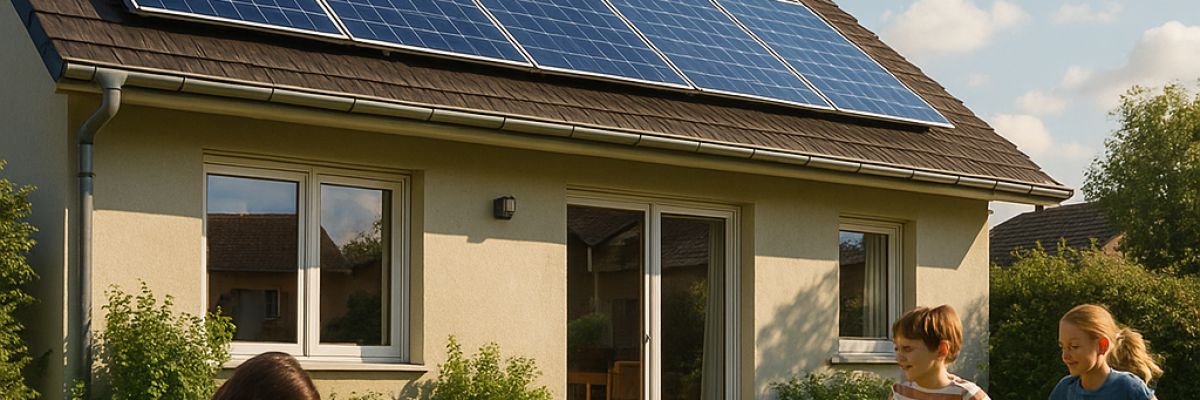
Understanding Solar Panel Investment
Investing in solar panels is a significant commitment, both financially and emotionally. Homeowners and businesses alike are increasingly turning to solar energy solutions to reduce their energy bills, increase property value, and contribute to environmental sustainability. However, a crucial question looms large in the minds of potential investors: How many years will it take to break even on this investment? Understanding the break-even point for solar panels requires a consideration of numerous factors, from installation costs to energy savings and tax incentives.
What is the Break-Even Point?
The break-even point in the context of solar panels refers to the time it takes for the total savings from energy production to equal the total costs associated with the purchase and installation of the solar energy system. This concept is essential for determining the financial feasibility of going solar.
Factors Influencing the Break-Even Period
Several variables influence how long it takes to break even on solar panel investments. Understanding these factors can help you make a more informed decision about your solar transition.
- Initial Costs: The upfront cost of purchasing and installing solar panels can vary significantly based on the system size, type of panels, and installation complexities. On average, installation can range from $15,000 to $30,000.
- Energy Savings: The energy savings achieved from solar panels depend on local energy rates, the size of the solar system, and the homeowner's or business's energy consumption patterns. Higher energy rates typically lead to faster savings.
- Incentives and Rebates: Government incentives, tax credits, and local rebates can dramatically reduce the initial costs of solar panel installation. For example, in the U.S., the federal solar tax credit provides a significant percentage off the installation cost.
- Local Sunlight Exposure: The amount of sunlight your location receives impacts the efficiency of your solar panels. Areas with high solar exposure will yield more energy, leading to higher savings.
- Financing Options: How you choose to finance your solar panels can also affect the break-even period. Options include cash purchases, loans, or leases, each with different cost implications.
- Electricity Prices: Fluctuations in local electricity prices can affect how quickly solar panels pay back the investment. Rising electricity costs mean greater savings over time.
Calculating the Break-Even Point
The break-even point can be calculated using the following formula:
Break-Even Point (in years) = Total Installation Costs / Annual Savings
To illustrate this, let’s consider an example:
- Initial Installation Cost: $20,000
- Annual Savings on Electricity: $2,500
- Break-Even Point = $20,000 / $2,500 = 8 years
This example shows that it would take approximately 8 years to recoup the initial investment through savings on electricity bills. However, the reality may be influenced by other factors like incentives and changing electricity rates.
Understanding Financial Incentives
Federal, state, and local incentives can play a significant role in lowering the break-even period. Here are some common types of incentives:
- Federal Investment Tax Credit (ITC): This allows homeowners to deduct a significant percentage of the cost of installing a solar energy system from their federal taxes.
- State Tax Credits: Many states also offer their own tax incentives to encourage solar adoption.
- Net Metering: This allows solar panel users to sell excess energy back to the grid, providing additional savings.
- Local Rebates: Some municipalities offer direct rebates for installing solar systems, further reducing upfront costs.
All these incentives contribute to a lower initial investment, reducing the payback time significantly.
The Role of Financing in Solar Panel Investments
The way you finance your solar panels can also affect your break-even period. Here are some common financing options:
- Cash Purchase: Buying your solar panel system outright usually presents the best long-term savings since you won’t have to pay interest. However, the upfront cost may be prohibitive for many.
- Solar Loans: Many lenders offer loans specifically for solar installations. While this may increase the overall cost due to interest payments, it can make the system more accessible. The break-even period may extend depending on the loan terms.
- Leasing: In a solar lease, you pay a monthly fee to use the solar system, and the company retains ownership. This typically results in lower upfront costs, but your savings may be less than if you owned the system.
- Power Purchase Agreements (PPAs): Similar to leasing, you pay for the energy the solar panels produce, usually at a lower rate than your utility's standard rate. The investment risk stays with the solar provider, allowing for easy transition.
Regional Variations in Solar Potential
The geographical location of a property can significantly affect its solar panel effectiveness and break-even time. Different areas receive varying amounts of sunlight, measured in peak sun hours, which directly influences energy production. Here are key points to consider:
- Sun-Drenched Regions: States like California, Arizona, and Nevada receive abundant sunshine year-round, enabling quicker returns on solar energy investments.
- Varied Climates: In contrast, regions with long winters or significant cloud cover, such as the Pacific Northwest, may see slower returns on their investments due to decreased solar energy production.
- Local Utility Incentives: Different regions have varying electric rates and net metering policies, which can also affect the financial viability of solar panel investments. Higher electricity rates generally mean greater financial benefits from solar energy.
Expected Break-Even Periods by Region
Considering the factors outlined above, here are some average estimates for break-even periods in various U.S. regions:
- California: With high solar exposure and strong state incentives, many Californians can expect a break-even time of around 5 to 7 years.
- Texas: Texas enjoys substantial sunlight, making it feasible for homeowners to achieve a break-even point of 6 to 9 years.
- Florida: As the Sunshine State, Florida typically sees a break-even period in the range of 7 to 10 years.
- New York: In areas like New York where solar incentives are strong but sunlight exposure varies, homeowners may expect a longer break-even time of 8 to 12 years.
- Midwest States: In states like Michigan or Wisconsin, break-even periods can extend to 10 to 15 years due to lower solar exposure and availability of incentives.
Adding Up Long-Term Savings
While understanding the break-even point is vital, it's equally important to consider the long-term savings and benefits of solar panel investments. After recouping the initial investment, homeowners can enjoy substantial savings on their electricity bills, often amounting to tens of thousands of dollars over the life of the system. Additionally, here are some other advantages to keep in mind:
- Increased Home Value: Homes equipped with solar panels can see an increase in property value, making them more attractive to potential buyers.
- Energy Independence: Solar panels provide an avenue for energy independence, protecting homeowners from fluctuating energy costs.
- Environmental Benefits: By switching to solar, homeowners can significantly reduce their carbon footprint, contributing to a more sustainable future.
- Low Maintenance Costs: Solar energy systems typically require minimal maintenance, creating additional long-term savings.
Challenges and Considerations
Despite the numerous benefits, potential solar panel investors should also be aware of some challenges and considerations:
- Initial Costs: The upfront expense remains a significant barrier for some homeowners, making financing options critical.
- System Efficiency: Factors such as roof angle, type of solar panels, and system size can affect the efficiency and productivity of the solar installation.
- Regulatory Changes: Changes in local, state, or federal renewable energy policies can influence available incentives and net metering programs.
- Technological Advancements: As technology evolves, more efficient solar panels may add competition for existing systems, affecting long-term investment value.
Conclusion
Deciding to invest in solar panels involves a complicated evaluation of financial factors, local conditions, and potential savings. While the break-even point can vary widely depending on location, installation costs, financing options, and incentives, a thorough understanding of these elements can equip homeowners and businesses with insight for a successful solar transition.
On average, one can expect a break-even period of around 5 to 12 years depending on various factors outlined. However, due diligence, proper financial analysis, and awareness of local regulations and conditions can lead to an informed decision that not only enhances financial savings but also promotes sustainability and energy independence in the long run.
As you transition to solar energy, consider the big picture: the long-term benefits far outweigh the initial investment, with returns extending for years, and even decades, as technology continues to evolve and solar energy usage becomes increasingly crucial in the fight against climate change.