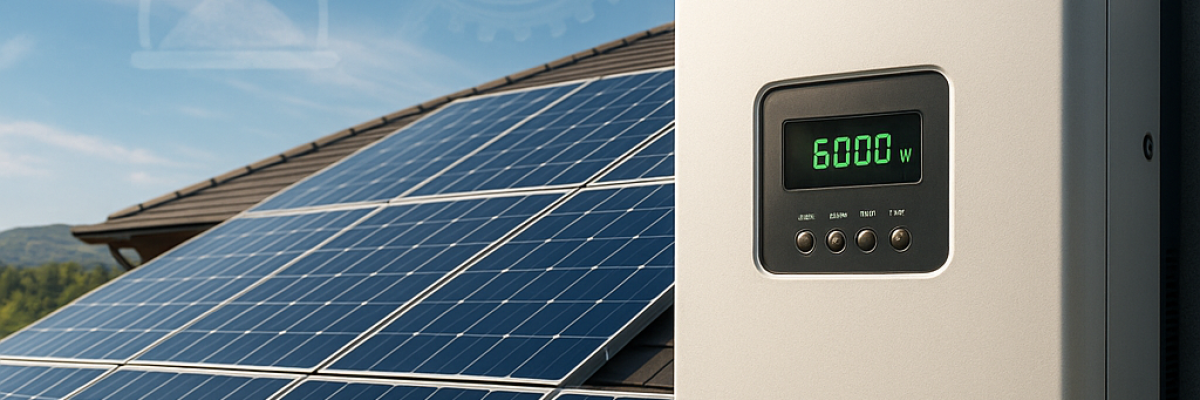
Understanding Solar Inverters
Solar inverters are a crucial component of any solar energy system. They convert the direct current (DC) electricity generated by solar panels into alternating current (AC) electricity, which can be used to power appliances in homes and businesses or fed into the electrical grid. Given their importance, understanding the longevity of solar inverters is vital for both potential buyers and current solar system owners.
The Lifespan of Solar Inverters
The average lifespan of a solar inverter typically ranges from 5 to 15 years, depending on various factors such as the type of inverter, operating conditions, and usage. There are primarily three types of solar inverters: string inverters, microinverters, and power optimizers, each with its own unique lifespan characteristics.
Types of Solar Inverters and Their Lifespans
- String Inverters: These are the most common type of inverter used in residential solar systems. Typically, string inverters have a lifespan of about 5 to 10 years. They are generally less expensive and easier to install, but their efficiency can diminish if one panel in the string underperforms.
- Microinverters: Microinverters are installed on each individual solar panel, allowing for greater efficiency and performance monitoring. They have a longer lifespan, averaging between 10 to 15 years. Their decentralized nature can lead to less energy loss due to shading or panel performance issues.
- Power Optimizers: These devices are similar to microinverters but work in tandem with a string inverter to enhance performance. Power optimizers also typically last around 15 years, offering a good balance between cost and effectiveness.
Factors Affecting Solar Inverter Lifespan
A variety of factors can impact the longevity of solar inverters. Understanding these factors can help you choose the right inverter for your solar system and optimize its lifespan.
Quality of Manufacturing
The quality of the inverter's components and manufacturing plays a significant role in determining its lifespan. High-quality materials and advanced manufacturing processes typically lead to more durable solar inverters. Leading manufacturers often offer warranties ranging from 5 to 25 years, which can be indicative of the inverter's expected lifespan. Investing in reputable brands can ensure better quality and longevity.
Environmental Conditions
Solar inverters are often exposed to various environmental conditions, which can affect their performance and durability. Some key factors include:
- Temperature: High ambient temperatures can cause overheating, which may lead to premature failure. Inverters designed to operate in hotter climates may have additional cooling features.
- Humidity: Excess moisture can result in corrosion and damage to electronic components. Proper installation in a dry and well-ventilated area can mitigate this risk.
- Dust and Debris: Accumulation of dust can block ventilation openings, leading to overheating. Regular maintenance and cleaning can help prolong the inverter's life.
Usage Patterns
The way an inverter is used can also influence its lifespan. For instance, frequent cycling on and off may lead to increased wear and tear. This is common in systems where energy production significantly exceeds consumption, leading to regular disconnections from the grid or battery systems. It's crucial to design a solar energy system that matches your energy consumption patterns to maximize inverter efficiency.
Technological Advancements
Solar inverter technology is constantly evolving. Newer models often come equipped with advanced features such as integrated monitoring, improved efficiency, and higher tolerance for environmental stressors. As technology advances, older models may become obsolete, prompting users to upgrade in search of more efficient or reliable units, even if their older unit has not completely failed.
Signs Your Solar Inverter Needs Replacement
Understanding the signs that indicate a failing inverter can help you take timely action, preventing costly downtime in your solar system's performance. Look out for the following symptoms:
- Decreased Energy Production: A significant drop in energy output may be a signal that your inverter is underperforming. Monitor your system's performance regularly to catch any issues early.
- Frequent Errors or Faults: If your inverter displays error codes frequently or shuts down unexpectedly, it may indicate a malfunction that requires replacement.
- Overheating: If the inverter feels excessively hot to the touch or has a burnt smell, it could be a sign of internal damage.
- Age: If your inverter is approaching the end of its expected lifespan (generally around 10 to 15 years for most types), it may be wise to consider a replacement even if it appears to be functioning normally.
Maintaining Your Solar Inverter
Proper maintenance can significantly extend the life of your solar inverter. Here are some best practices to keep in mind:
- Regular Inspections: Schedule periodic inspections with a professional to check for any signs of wear or damage.
- Cleaning: Clean the inverter and surrounding area to prevent dust accumulation. Ensure vents are free from obstruction.
- Monitor Performance: Take advantage of monitoring systems that track your energy output, allowing you to detect any anomalies quickly.
- Upgrade if Necessary: If your system continues to outpace your inverter capabilities, consider upgrading to a newer model with greater capacity.
What to Consider When Choosing an Inverter
When selecting a solar inverter, several factors should influence your decision for optimal results:
- Type of Inverter: Consider whether a string inverter, microinverter, or power optimizer best fits your system's layout and energy needs.
- Manufacturer Reputation: Choose established brands with a good track record of quality and customer service.
- Warranty Period: A longer warranty may indicate confidence in the product's longevity, providing peace of mind.
- Efficiency Rating: Look for inverters with high efficiency ratings to maximize energy conversion.
The Cost of Replacement
Replacing a solar inverter can be a significant investment, with costs often ranging between $1,000 to $3,000 for the unit and installation. This price can vary based on the type and brand of inverter, as well as local labor costs. To budget effectively, consider that inverter replacements generally occur once or twice during the life of a solar system, depending on the initial quality and type of inverter installed.
Recycling Old Solar Inverters
As with other electronics, solar inverters should not be disposed of in regular waste due to the presence of hazardous materials. Recycling is a more responsible choice that can prevent environmental harm. Check with local recycling programs or electronic waste facilities for proper disposal methods.
The Future of Solar Inverter Technology
The solar energy market is dynamic, and ongoing research and development in inverter technologies promise to introduce more efficient, durable, and smarter systems. Innovations like battery storage integration, advanced monitoring software, and improved thermal management are set to enhance both performance and lifespan.
Conclusion
In conclusion, the lifespan of a solar inverter can vary widely based on its type, environmental factors, and maintenance practices. While traditional string inverters may last around 5 to 10 years, microinverters and power optimizers offer a longer lifespan, averaging 10 to 15 years. Awareness of signs of failure and adherence to maintenance protocols can significantly enhance an inverter's durability. As solar technology continues to evolve, investing in high-quality inverters and staying informed about industry developments can pave the way for a sustainable and efficient solar energy experience.