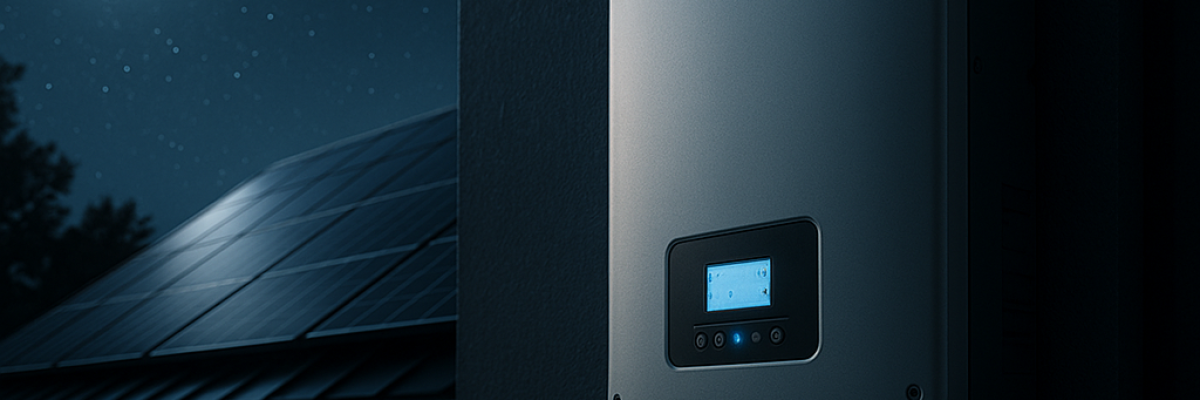
Understanding Solar Inverters
Solar inverters serve a critical role in solar energy systems. They convert the direct current (DC) generated by solar panels into alternating current (AC), which can be used by home appliances or fed into the power grid. This transformation is essential for making solar energy usable in residential and commercial settings.
Solar inverters come in various types, including string inverters, microinverters, and power optimizers. Each type has its benefits and drawbacks, making it important to choose the right system based on specific energy needs and conditions. However, one common question arises among solar system owners: “Does a solar inverter turn off at night?”
How Solar Inverters Work
A solar inverter functions as the brain of a solar power system. It performs several critical tasks:
- DC to AC Conversion: Converts the electricity produced by solar panels from DC to AC.
- Maximum Power Point Tracking (MPPT): Monitors and adjusts the input to ensure that the panels are operating at peak efficiency.
- Grid Interaction: Manages the flow of electricity between the solar system and the electricity grid.
- Monitoring: Tracks performance metrics and provides insights into energy production.
Understanding how these functions tie into the inverter's operation at night is key to answering our main question.
The Behavior of Solar Inverters at Night
Solar panels generate electricity only when exposed to sunlight. As night falls, the solar panels stop producing power, leading to the natural question about the solar inverter's activity after sunset.
Most solar inverters are designed to shut off when there is no input from the solar panels. This is a safety feature that helps to prevent any potential damage to the inverter or the solar system. Here’s what happens at night:
- Disconnection: The inverter disconnects from the solar panels as there is no energy production to convert.
- Power Down: The inverter typically goes into sleep mode or shuts down completely until the solar panels receive sunlight again.
The exact behavior can depend on the type and model of the inverter. Many modern inverters also have features that allow them to monitor the status of the solar panels and will only operate when energy generation is possible.
Types of Solar Inverters
To understand how solar inverters behave at night, it’s essential to differentiate between the types of inverters available:
String Inverters
String inverters are one of the most common types used in residential solar systems. They are connected to multiple solar panels in series, forming a "string." When the solar panels generate electricity, the string inverter converts the DC from all panels into AC. However, as mentioned earlier, when the sun sets and there is no longer any input from the panels, these inverters turn off.
Microinverters
Microinverters, in contrast, are situated on each individual panel. This means that if one panel is underperforming or, as in this case, not generating power at night, it will not affect the performance of other panels in the system. Like string inverters, microinverters will also turn off when there is no sunlight and thus no DC electricity to convert.
Power Optimizers
Power optimizers work like a hybrid between string inverters and microinverters. They are attached to each solar panel but send the DC electricity collected from the panels to a central inverter for conversion. This design improves efficiency but still results in a complete shutdown at night when the panels cease to generate power.
The Importance of Grid-Tied Inverters
Most solar power setups are grid-tied, meaning they are connected to the utility grid. Grid-tied inverters ensure that when solar panels are not producing energy, such as at nighttime, there is no backfeed into the grid. This feature is not only a safety precaution but also adheres to regulations imposed by utility companies.
When the inverter turns off at night, it ensures that the system does not inadvertently supply power back into the grid, which could potentially create safety hazards for line workers who may be working on the power lines during outages.
Why Do Solar Inverters Shut Off?
The shut-off feature in solar inverters serves several purposes:
- Safety: Prevents electrical hazards that could occur due to faulty systems or overloads during low light conditions.
- Efficiency: Ensures that the inverter does not run without any input, which would be wasteful and unproductive.
- Longevity: Minimizes wear and tear on inverter components by reducing unnecessary operational time.
What Happens to Excess Solar Energy Generated During the Day?
One common feature of many solar systems is the presence of net metering, which allows homeowners to take advantage of any excess energy generated during the day. Here’s how it works:
- Daytime Production: When the solar panels generate more electricity than the household consumes, the excess energy flows back into the utility grid.
- Energy Credit: Homeowners receive credits on their utility bills for this excess energy, which can be used during times when the solar system is not producing (like at night).
- Turned Off Inverter: When the inverter turns off at night, the homeowner can still draw energy from the grid using these credits.
Battery Storage Systems
As solar energy technology advances, more homeowners are investing in battery storage systems. These systems store energy generated during the day for use at night or during periods of low sunlight. When paired with solar inverters, battery systems can create a seamless energy experience:
- Uninterrupted Energy Supply: With batteries, homeowners do not have to rely solely on the grid at night.
- Constant Inverter Operation: Some battery systems enable inverters to facilitate energy use at night, even if the panels aren't generating electricity.
- Backup Power: In case of a grid outage, battery systems provide backup power, ensuring that appliances remain functional.
Common Myths About Solar Inverters and Nighttime Operation
Several misconceptions exist around solar inverters, particularly regarding their operation at night. Understanding these can help homeowners make informed decisions:
Myth 1: Solar Energy Can Be Used at Night Without Batteries
This is incorrect. Without battery storage or a grid connection, excess energy generated during the day cannot be utilized at night since the solar panels will not produce electricity after sunset. Inverters do turn off at night, preventing energy draw from the system.
Myth 2: All Inverters Operate During Outages
This statement is misleading. Most grid-tied inverters will shut off during a power outage to protect utility workers from unexpected energy release. However, systems equipped with battery storage may keep the inverter operational even during outages, depending on the design.
Myth 3: Solar Panels Stop Working at Night
Solar panels do stop generating energy at night due to the absence of sunlight. However, this is not directly a problem with the inverter itself; instead, it is a function of how solar energy generation works.
The Economic Impact of Turning Off Inverters at Night
Understanding the operation of solar inverters and their shutdown at night can also illuminate economic considerations for homeowners:
- Energy Savings: By maximizing energy consumption from the grid only when needed, homeowners can considerably lower their electricity bills.
- Increased Efficiency: Knowing that the inverters will not waste energy at night can allow homeowners to optimize their usage patterns during the day.
- Home Value: Investing in solar energy systems, including inverters, can add value to a home, reflecting positively on resale potential.
Future Trends in Solar Inverter Technology
As solar technology continues to evolve, so do inverters. Here are some anticipated advancements that may alter their operation:
- Smart Inverters: Increased integration of IoT features will allow for real-time monitoring and adjustments, optimizing performance and energy management.
- Advanced Battery Integration: More inverters will be designed to work seamlessly with advanced battery systems, allowing for labored energy use without relying on the grid.
- Hybrid Systems: Development of inverters that can efficiently switch between battery storage and grid power, adjusting dynamically to current conditions and needs.
Conclusion
To summarize, solar inverters do turn off at night due to the lack of energy generation from solar panels. This behavior is a critical safety and efficiency measure that ensures optimal functioning and longevity of the solar system. As homeowners explore solar energy options, understanding the role of inverters, their functions, and their nighttime operations will help them make informed decisions, whether they are opting for battery storage or grid interactions.
With the rapid advancements in technology and the growing popularity of solar energy, the future of solar inverters will likely see further innovations, enhancing both their performance and reliability. Homeowners should remain informed about these developments to optimize their solar energy usage.